


When the World Feels Heavy: How Women Over 60 Can Move from Numbness to Inner Steadiness
We have lived through decades of change.
We have witnessed wars, social revolutions, economic shifts, technological transformation. We have raised families, built careers, supported partners, cared for aging parents. We have navigated personal loss and global uncertainty before.
And yet, something about this moment feels different.
The Pace of Information Is Relentless
News of war, aggression, climate crisis, and political instability arrives instantly and repeatedly. For many women in this stage of life, the weight of it can feel deeply personal – especially when thinking about children, grandchildren, and the world they will inherit.
At first, there may be worry. Then sadness. Sometimes anger.
But over time, many notice something else: numbness.
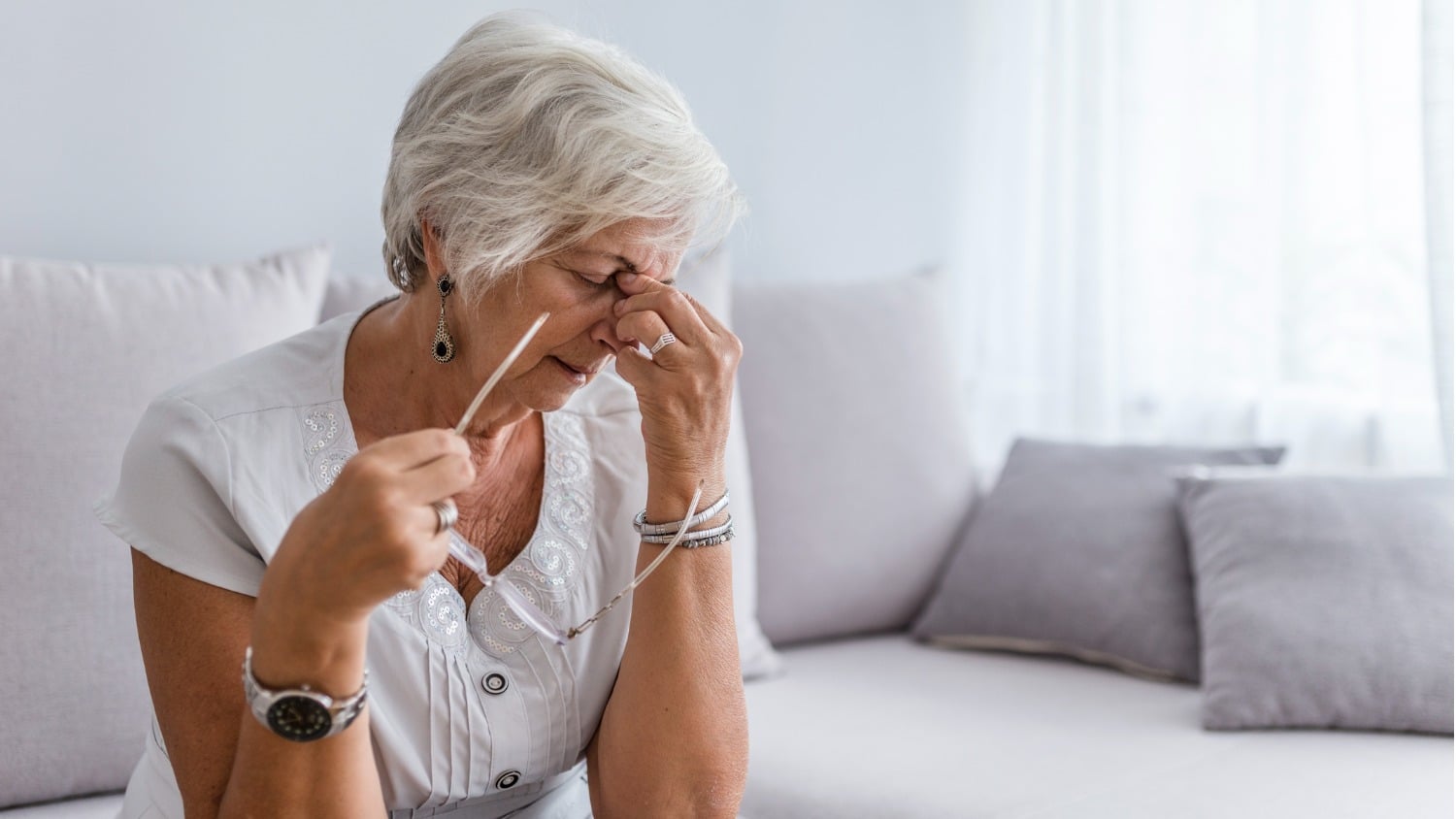
It becomes easier to turn off the news. To scroll past suffering. To say, “There’s nothing I can do.” A quiet fatigue sets in – not because we do not care, but because caring feels exhausting.
Numbness Is a Survival Mechanism
This reaction is not indifference. It is the nervous system protecting itself.
When the body perceives ongoing threat without resolution, it shifts into survival patterns. Some women experience heightened anxiety – difficulty sleeping, restlessness, irritability. Others feel flat, detached, or unusually tired. This is the freeze response – a biological shutdown designed to conserve energy when overwhelm feels too great.
After decades of responsibility and often putting others first, many women’s nervous systems are already sensitized to stress. Years of caregiving and high functioning can leave the body accustomed to being “on alert.” When global uncertainty adds another layer of strain, the system may simply say, “Enough.”
Numbness can feel safer than heartbreak.
But when emotional shutdown becomes chronic, it dulls more than fear. It can also dull joy, connection, and vitality. It narrows life at a stage that can otherwise be rich with wisdom, reflection, and meaningful engagement.
Breathing Can Help Us Cope Better than Numbness
The good news is this: the nervous system can recalibrate at any age.
One of the most accessible ways to support it is through breath.
Breathing is both automatic and intentional. And when practiced consciously, it sends a powerful signal of safety to the body. Slow, gentle, diaphragmatic breathing activates the parasympathetic nervous system – the body’s calming response. It reduces stress hormones, steadies the heart rate, and softens muscular tension.
For women over 60, breathwork can be especially supportive. Hormonal changes, life transitions, retirement, grief, and shifting identity can all influence nervous system balance. Breath becomes a simple, portable anchor.
It does not require physical strain. It does not demand perfection. It simply asks for presence.
With steady breathing, emotions that were suppressed can begin to move gently. Grief can be acknowledged without overwhelming the system. Compassion can be felt without collapsing into despair. Breath creates space – and in that space, clarity returns.
From Clarity Comes Choice
Women in this stage of life carry immense lived wisdom. When regulated and grounded, they are uniquely positioned to model steadiness for younger generations. To respond thoughtfully instead of reactively. To remain open-hearted without burning out.
The world does not need older women to withdraw in exhaustion. It needs their perspective, their compassion, and their calm strength.
And that begins internally.
A few minutes each day of intentional breathing can restore balance. Inhale slowly through the nose. Exhale gently through the mouth. Allow the body to soften. Let the nervous system remember what safety feels like.
From that place, engagement becomes possible again – whether through conversation, community involvement, creative expression, or simply being a steady presence for family.
In uncertain times, inner steadiness is a quiet form of leadership.
If you are feeling emotionally fatigued or disconnected, begin with one conscious breath. And then another.
To learn more about how breathwork supports nervous system balance and emotional resilience at every stage of life, visit www.drhannalind.com.
Let’s Have a Conversation:
Do you feel engaged with the world, or do you consciously disengage? Have you allowed numbness to creep in because you simply don’t know what you could do?
Tags Reducing Stress

The only thing you
can do in America is use your VOTE.
It’s hard to watch all this from Australian and be utterly helpless.
I believe we can only
mind our little
corner of the world, responding to others with compassion no matter how horrified we may be.
Compassion is very important Toni you are right and see all children like our own children. And yes absolutely use our Vote
Oh my gosh, you explained my feelings into words of my past 3 years. After the Covid year, then my husband’s declining health n mental health I feel I’m climbing out of my hole n starting to at least acknowledge n deal with this part of older age. He’s 85 going on 5 most of the time. I’m still numb at times but not as shut down. Just waiting for the next phase to come n will deal with it then. Breathe, just breathe.
Thank you for sharing Janis, that feels like very heavy for you. You are holding so much, wish for you to feel safe enough to fully feel.
Thanks for reminding me to breathe the way it should be done. Also to realize our role as we age. Yes we have lived and learned through our experiences. We also know our limits of what we can do to help our community.
Absolutely Elli, and thank you for brining in the community. We heal in community and I hope your community will be there for you as well.
I will be 88 next week. I find that I have become less and less willing to think about those things that I cannot influence. I have a rich solitary life doing what I enjoy, meeting up with people for real and online, water-colour sketching, and caring for and riding my horses. I have simplified my life and don’t need other distractions. I want to do what I want to do well enough. I take time in my day to eat, to exercise,and to rest. I feel that my most important responsibility is to remain healthy and happy so that my four sons and their families don’t need to worry about me. One lives nearby but the others live in other countries. They and their children don’t need to add the worry of an elderly parent who is having difficulty leading a healthy and happy life. While I am still lucky enough to have my good health, it is my decision to engage in what I find satisfying and fulfilling day by day.
Sylvia thank you for sharing, your life sounds wonderful. It sounds like you have found balance that works well for you and your family. I love hearing about your art and that your still ride your horses. Horses are such a deep spiritual beings and I am sure they are enjoying your company.
I re-read my comment and it sounds a bit complacent!! Since my life fell apart a bit with the death of my husband 4 years ago I have worked quite hard on the vision of what solo life could be if I have enough determination to follow through!! The horses are very important to me. Spiritual beings indeed! Than you for your rely to my comment.
Try prayer…
Love that Patricia, for those of us who have deep spiritual live it is very important.