


What Does It Really Mean to Achieve Optimal Health?
If you’re a woman over 50, you might secretly believe that “optimal health” just isn’t available to you. Maybe that ship sailed in your 30s – before the knee pain, the hot flashes, the extra weight that doesn’t budge, or the prescriptions that now fill your bathroom medicine cabinet.
When you picture someone who’s optimally healthy, she probably looks younger, thinner, or more fit than you feel right now. But what if that version of health isn’t the real goal? What if optimal health in midlife and after looks completely different – and it’s still 100% available to you?
The Problem: Why “Doing Everything Right” Still Feels So Hard
If you’re in midlife or after, you’ve been around the block. You already know what you should be doing to care for your health. You’ve read the books, done the diets, joined the programs – yet you still wrestle with cravings, inconsistent energy, and the disappointment of setting a goal to start exercising only to have it fall apart a few weeks later.
And that constant fatigue? It’s no wonder your energy and sleep in midlife feel unpredictable. The illusion of “optimal health” tells us we should spend our free time making healthy meals, counting steps, or chasing a smaller body. But who has free time? Between work, family, and everything else, health can start to feel like another job. Maybe the problem isn’t you. Maybe it’s the unrealistic version of health you’ve been sold.
Why Traditional Solutions Don’t Work
Here’s the truth: most of the popular diets and fitness apps weren’t made for women with busy schedules and lots of demands on your time. They’re designed for the general population – not for women whose hormones, metabolism, and stress levels have changed. These plans tell you to eat less and move more, but they ignore what’s really going on inside your body.
After working with hundreds of women, I can tell you that achieving optimal health is not about willpower. You don’t need another diet to “fix” you – you need something different that actually fits your life. That’s where a non-diet health approach comes in. When you learn to ditch diets in midlife, you stop fighting your body and start working with it. And that’s when health stops feeling like punishment – and finally becomes possible again.
Redefining What “Optimal Health” Really Means
Here’s the thing: optimal health isn’t a six-pack, a perfect diet, or a number on a chart. It’s your best health given your real circumstances. For most women in midlife, that means working with the body you have – not the one you had 20 years ago, and certainly not the one Instagram tells you to chase.
Your knees might ache. You might be caring for aging parents or leading a demanding team at work. You might only have 20 minutes for yourself some days. That doesn’t mean you’ve failed. It means your version of “optimal” will look different – and that’s exactly how it should be.
When you have peace with food and your body, when you build a healthy relationship with food that doesn’t rely on guilt or rules, everything changes. Optimal health becomes freedom. Confidence. Self-trust. It’s knowing you’re doing what’s right for you – and letting that be enough.
The Path Forward: Building Health That Fits Your Life
What is possible today? What does your best health look like today? Not 10 years ago, not what the internet says – but in this exact season of your life. It’s a powerful question to ask yourself, because the answer won’t look the same for everyone.
For most women, it’s not about pushing harder – it’s about building healthy habits for women over 50 that work with your changing body, not against it. Things like: staying hydrated, eating enough protein and fiber, getting good sleep, managing stress, moving your body regularly, and finding joy. These are the quiet foundations of real health – the things that help you balance hormones naturally and stay steady, even when life is busy or unpredictable.
And the best part is that none of it requires perfection. When you shift from rigid tracking to sustainable, shame-free habits, you stop obsessing about food and start living again. You reclaim the energy and mental space for your relationships, your career, and the things that truly matter. That’s what aging with vitality really looks like – not fighting time, but learning how to feel good in it.
When Health Becomes Partnership
One of my clients recently lost over 80 pounds in our work together, and was later diagnosed with a prolapsed bladder. She was heartbroken – angry with herself for “waiting too long” and convinced she’d failed her body. And while I couldn’t undo the diagnosis, what we could do together was change how she saw herself.
Through our conversations, she began to notice everything her body had carried her through – the stress, the sleepless nights, birthing two babies, and the years of putting everyone else first. She started treating her body as the loyal partner it had always been, not the enemy she had to fix.
That’s what I help women do – learn to care for their bodies with the same kindness and respect they’ve shown everyone else for years. Because when we stop trying to fix our bodies and start listening to them, that’s when everything begins to feel easier.
Your Next Step Toward Optimal Health
If you’re ready to stop guessing and start creating your version of optimal health in midlife and beyond, I’ve got you. My free 8 Basic Habits Guide & Checklist will show you the small, consistent actions that truly make a difference. These are the healthy habits for women over 50 that simplify your routines, support your hormones, and actually fit into your real life – no guilt, no overwhelm, no perfection required.
Start feeling better today. Download your guide 8 Basic Habits Guide & Checklist.
Let’s Have a Conversation:
When you think about optimal health in midlife and beyond, what does it look like for you – not what you’ve been told it should look like?
Tags Healthy Aging


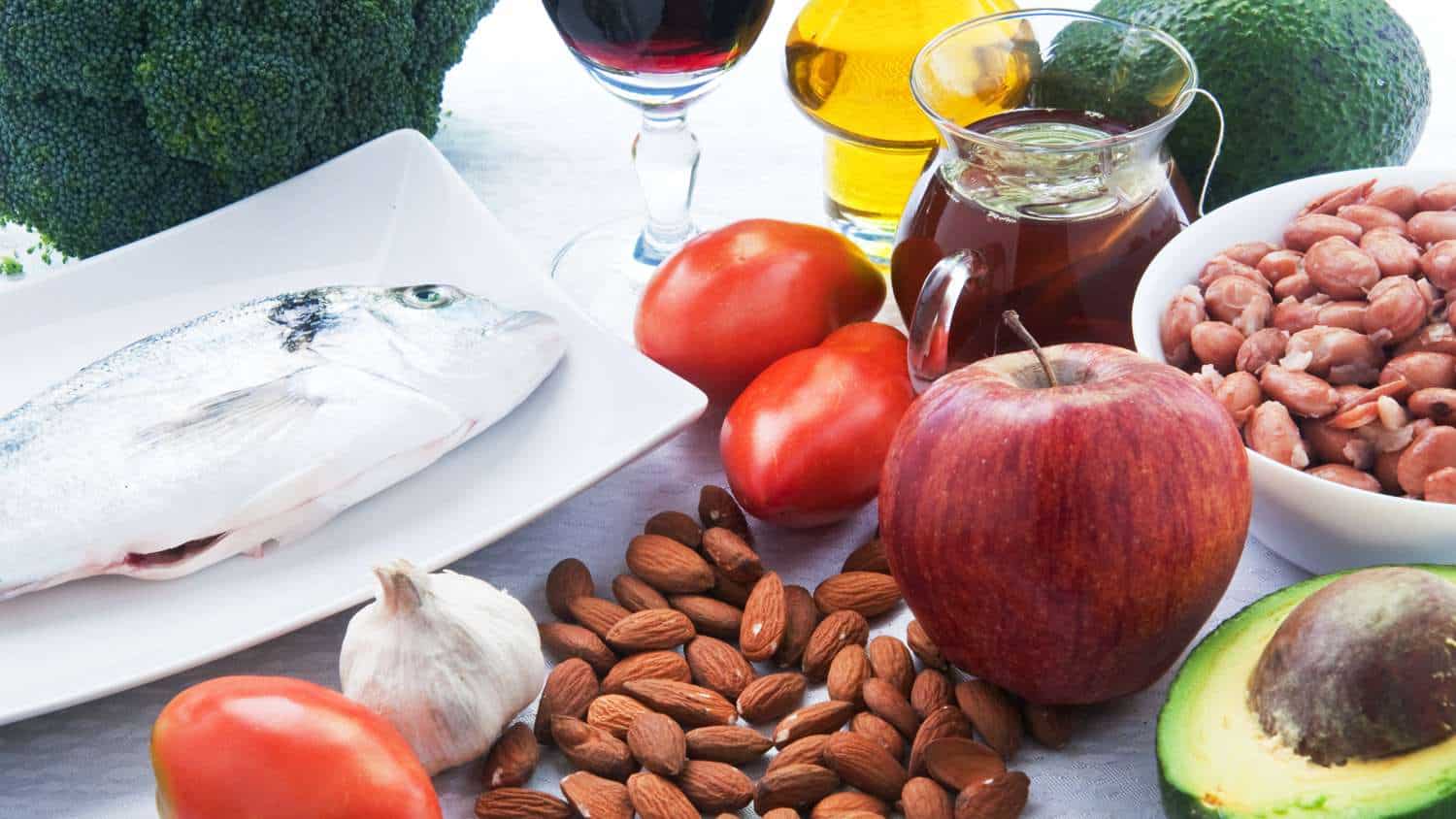
Recognizing that optimal health isn’t a one-size-fits-all concept encourages a more inclusive and realistic view of wellness. Adapting health practices to fit personal lifestyles can lead to more meaningful outcomes. Much appreciated.
I Love this article! It is spot on. I recently came to this exact place. Where I’d been struggling to get my steps in each day, pushing myself until my knees ached even more…and then, surrendered. Not gave up but waved the white flag. Set a different, more realistic weight goal and told myself “when I get there I’ll see how I Feel and how I Look and maybe that’s my place to stay.” I am so grateful to read this piece – by a professional – and feel so validated! I can’t wait to read the download. Thank you for sharing this article and what im sure will be very helpeful extra information. (My hormones at 61, years after a full hysterectomy- are so outer limits!) All Best.
Hi Annie! Thank you so much for sharing this. I love how you described that shift from pushing to partnering with your body. That “white flag” moment isn’t giving up; it’s the exact kind of wisdom that comes with experience and self-trust.
You’re right – finding that “place to stay” is such an important part of personal health. It’s about honoring what your body can do today instead of chasing what used to be. I’m so glad the article resonated and helped you feel validated in that decision.
And yes, navigating hormones after a hysterectomy can absolutely feel like a wild ride – you’re not alone there. I think you’ll find the guide really helpful for creating more ease and steadiness day to day.
Thanks again for taking the time to share your experience. it’s exactly the kind of real conversation that helps other women see what’s possible.