


The Truth About Treats: How to Enjoy Your Favorite Foods Without Guilt
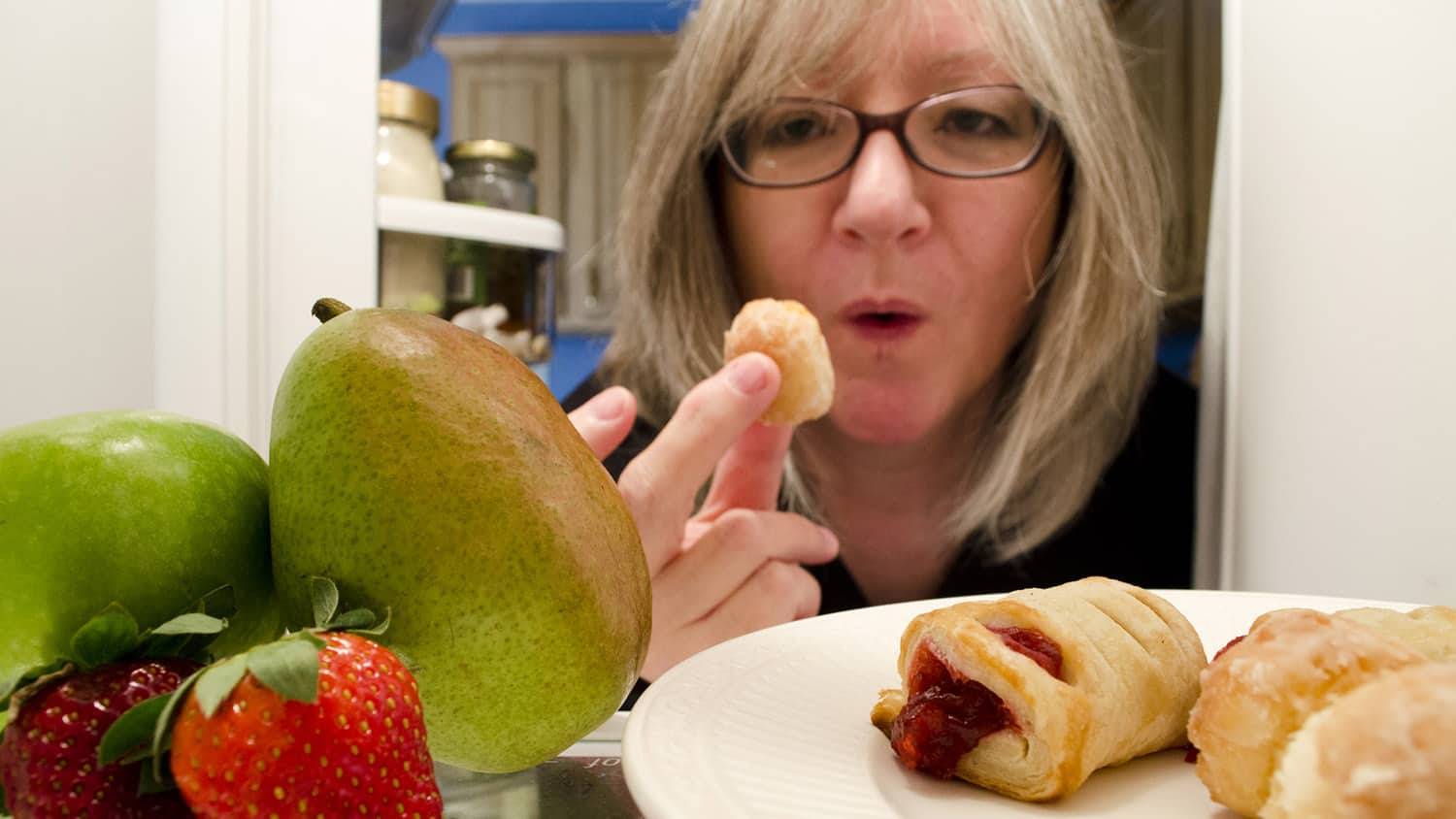
The holidays are over, but the treats? They’re still lingering. Leftover cookies on the counter, chocolates in the pantry, and that tin of toffee someone gifted you. January can feel like a tug-of-war with sugar cravings as you navigate the indulgences of the past few weeks.
If you’re feeling out of control around treats, you’re not alone. Guilt and frustration can creep in when sweets seem to call to you. But here’s the good news: you can reset your habits and enjoy your favorite foods without guilt or feeling like they control you.
I know this because I’ve been there. Years ago, I found myself obsessing over a cake at a party, consumed with thoughts like, Can I eat it? Will people notice? Will they judge me? When the cake was gone, I felt both disappointed and relieved – disappointed I didn’t get any, but relieved I didn’t have to fight myself anymore.
That moment led me to reexamine my relationship with food. Over time, I learned how to let go of guilt and find freedom in balance. And that’s what I want for you.
Let’s explore the three most common mistakes that keep you stuck – and how to overcome them.
Mistake #1: Trying to Cut Treats Completely
When you’ve overindulged, the instinct to “cut it all out” can feel like the best reset. But extreme restriction rarely works. Labeling treats as “forbidden” only makes them more tempting – what I call the “forbidden fruit effect.”
Sugar is naturally addictive, and telling yourself you’ll never have chocolate again often leads to cycles of restriction and overindulgence. The result? Feeling even more out of control.
The antidote to deprivation is balance. Planning small indulgences helps you enjoy treats without guilt or the urge to binge. Savoring a square of dark chocolate with tea, for example, can feel luxurious – without regret.
Mistake #2: Relying on Willpower Alone
Willpower seems like the solution, but it’s unreliable. By the end of a long day, stress and fatigue weaken resolve, making it harder to resist temptation.
I’ve been there – standing in the pantry, telling myself, just one chocolate-covered pretzel, but ending up eating far more. I felt defeated and blamed my “lack of willpower.”
The truth? Willpower wasn’t the problem. The real solution was creating a supportive environment and a plan that didn’t rely on it. By portioning treats, pairing them with nourishing foods, and planning when I’d indulge, I took back control.
Planning ahead reduces decision fatigue and allows you to enjoy treats intentionally.
Mistake #3: Eating Without Awareness
Mindless eating – grabbing snacks while scrolling your phone or eating out of the bag – disconnects you from your food. Without awareness, you often overeat without even tasting it.
For years, I’d eat straight from the pantry, telling myself I’d “do better tomorrow.” Nothing changed until I started asking, Am I hungry? When I found myself standing in front of the pantry. That simple pause helped me slow down and savor my food.
Mindful eating makes a world of difference. By sitting down, focusing on your treat, and savoring every bite, you’ll feel more satisfied and less likely to overindulge.
Taking Action
Overcoming these mistakes doesn’t require perfection – it’s about small, intentional changes that help you feel more in control.
One client recently shared her post-holiday experience: “I’ve eaten more stocking stuffer chocolates than I wanted, but this is the first time I’ve lost weight between Thanksgiving and Christmas. I even lost a pound over New Year’s!”She realized that while she wasn’t perfect, she was making progress – and that was worth celebrating.
Here are a few steps to regain control of your relationship with treats:
Practice Portioning
Serve a small amount on a plate, sit down, and enjoy it. Give yourself permission to savor every bite.
Pair Treats with Protein or Fiber
Balance your blood sugar by pairing a treat with something nourishing, like a handful of nuts or fruit.
Plan Your Indulgences
Decide when and how you’ll enjoy treats so they don’t feel forbidden. This eliminates the urgency to overindulge.
If you’re ready to take the next step, download my free resource, 8 Basic Habits That Healthy People Do, Guide and Checklist. It’s full of practical tools to help you build sustainable habits – without guilt or restriction.
Moving Forward
Guilt doesn’t need to be part of enjoying food. Treats are meant to be savored, not a source of shame. By practicing portioning, pairing, and planning, you can move toward a healthier relationship with food.
Take a moment to reflect: How do you want to feel moving forward? Imagine waking up energized, confident, and in control – not because you were perfect, but because you embraced balance.
If you need more support, reach out. I’m here to help you create the freedom you deserve.
If you’re looking for a deeper dive into managing cravings from all angles, check out my Sugar-Cravings Reset course on Udemy, designed to help you break free from sugar’s grip and take back control.
Reflection Questions:
What is your biggest problem around food? Do you give in to your sugar cravings or have you learned to manage them? What strategies work for you?


I used to have a much more contentious relationship with food. I was a dancer in my late teens and 20″s, and there was relentless pressure to be thin. I starved myself on 500 calories/day while working out and dancing for 2-6 hours several days/week. Even at 90 lbs., I struggled with feeling judged if I ate anything. It took years to get over equating food with lack of discipline. I’m currently a size 2, and eat healthy portions…including desserts that I enjoy. Being physically active helps me control my weight. I’m also fortunate that I prefer healthier foods like fruit, veggies, plant-based and lean protein (fish). I’m not thin, but generally feel comfortable at my current weight.
I think, although you indicate sugar is addictive, you are not recognizing just how addictive it is for many people. Your recommendations are like telling an alcoholic to just sit down and have one drink without guilt,
I understand where you’re coming from—that sugar can feel incredibly addictive for many people, and it’s a challenge that shouldn’t be minimized. However, comparing sugar to alcoholism overlooks a key difference: we don’t need alcohol to live, but food is essential.
The goal isn’t to eliminate all treats forever or suggest moderation is easy for everyone. It’s about helping women develop a healthier, more balanced relationship with food that allows them to enjoy treats without spiraling into guilt or overindulgence. This approach acknowledges the challenges sugar presents while empowering individuals to make intentional choices that feel good for them.
If you’re interested, I encourage you to explore my Sugar-Cravings Reset course, where I address sugar cravings from multiple angles. It’s designed to provide compassionate, practical tools for those struggling with sugar’s pull. Thank you for engaging in this important conversation.
Your tips are very timely. Christmas may be over, but Girl Scouts cookie season is just around the corner!
ha ha! YES! I call the period between Halloween & Easter, “Sugar-fest”. Because it’s just one thing after another.
Halloween
Thanksgiving
Christmas
Girl Scout cookies
Valentines Day
St. Patrick’s Day
Easter
There’s always a reason to celebrate with sweet!
Hahaha…where are those Thin Mints?!