



6 Best Vitamins and Supplements for Women Over 60 (# 5 Will Surprise You!)
While diet should always come first, there are some supplements for women over 60 that provide additional benefits that can be difficult to obtain from food alone – especially if you are eating less to lose weight, if you have a reduced appetite, or are avoiding certain foods due to intolerances.
Here is a list of the 6 best vitamins for over 60s women:
- Vitamin K2 – Good to keep arteries clear.
- Vitamin D3 – Excellent to maintain healthy bones and good moods.
- Ubiquinol – Helps to gain more energy.
- Royal Jelly – Benefits to maintaining hormones.
- Sea Buckthorn Oil – Good for healthy hair and skin.
- Turmeric – Excellent anti-inflammatory.
Vitamin K2 Helps Protect Your Arteries
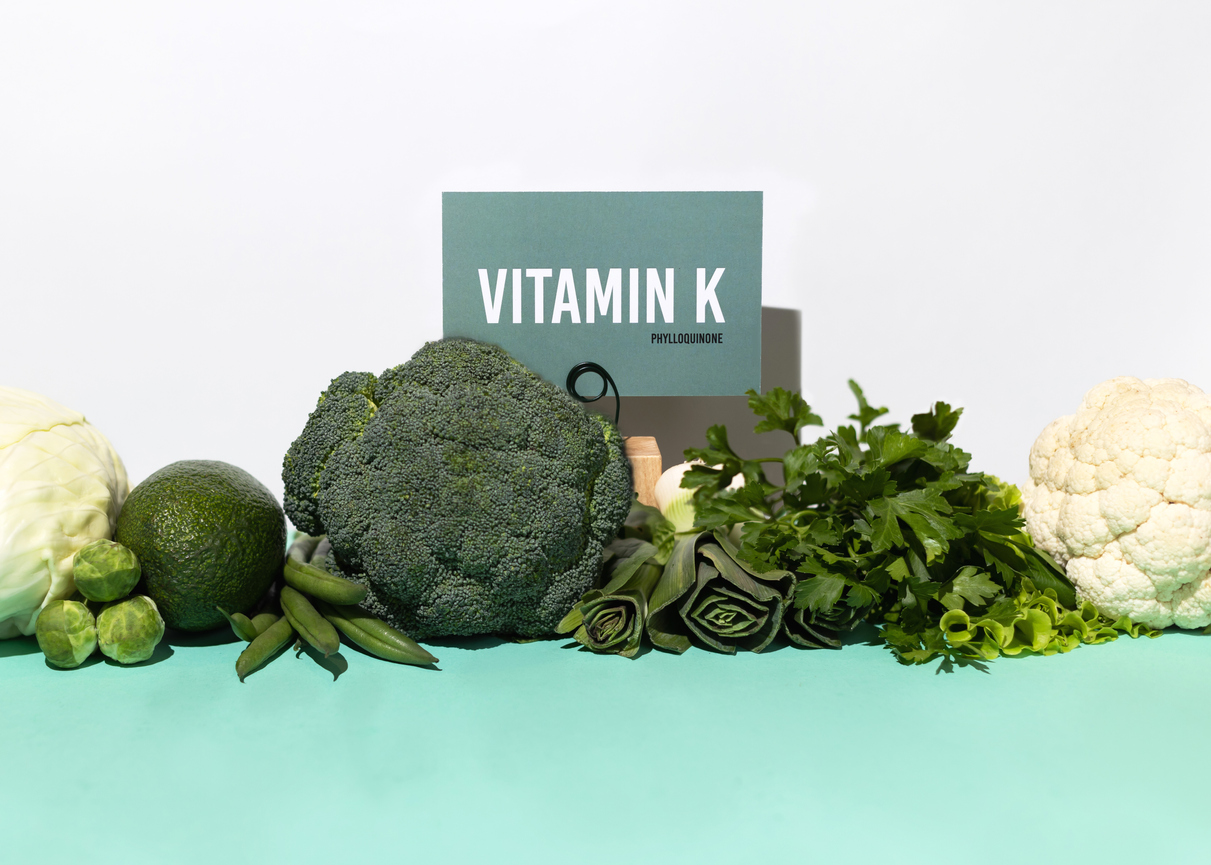
Most of the vitamin K obtained from food is the plant version, vitamin K1, which is found in cauliflower, broccoli, lettuce and other dark green leaves.
Less than 10% of our vitamin K intake is in the form of vitamin K2, which is found in the liver, egg yolk, meats, and fermented foods such as live yogurt, cheese and natto.
While your liver uses vitamin K1 to make clotting proteins, other tissues – such as the bones and arteries – prefer the vitamin K2 form. In the circulation, vitamin K2 activates proteins that transport calcium away from the arteries.
In the bones, vitamin K2 activates proteins which bind calcium. So, as well as protecting against osteoporosis, vitamin K2 helps to guard against unwanted calcification of the artery walls.
While your tissues can convert some vitamin K1 to vitamin K2, your liver hoards vitamin K1 when it is in short supply. Thus a supplement is a great idea for people in later life. I’ve certainly started taking it.
Benefits of Vitamin K1 and K2
Blood Clotting
Vitamin K is essential for the synthesis of certain proteins involved in blood clotting, such as prothrombin and other clotting factors. Adequate intake of vitamin K ensures proper clotting, which is crucial for wound healing and preventing excessive bleeding.
Bone Health
Vitamin K contributes to bone health by facilitating the carboxylation of osteocalcin, a protein involved in bone mineralization. This process helps bind calcium to the bone matrix, enhancing bone strength and density. Studies suggest that adequate vitamin K intake may reduce the risk of fractures and improve bone mineral density, especially in postmenopausal women.
Heart Health
Some research indicates that vitamin K may have a beneficial effect on cardiovascular health. It is believed to help prevent the calcification of arteries, a process associated with atherosclerosis and cardiovascular disease. By directing calcium away from arteries and into bones, vitamin K may help maintain arterial flexibility and reduce the risk of heart disease.
Brain Health
Emerging evidence suggests that vitamin K may play a role in brain health and cognitive function. It is involved in the synthesis of sphingolipids, a type of lipid found in high concentrations in the brain. Some studies suggest that vitamin K deficiency may be linked to cognitive impairment and an increased risk of neurodegenerative diseases like Alzheimer’s.
Cancer Prevention
There is ongoing research exploring the potential role of vitamin K in cancer prevention. Some studies have suggested that adequate vitamin K intake may be associated with a reduced risk of certain cancers, such as prostate, liver, and non-Hodgkin lymphoma. However, more research is needed to confirm these findings and understand the mechanisms involved.
Anti-Inflammatory Properties
Vitamin K may possess anti-inflammatory properties, which could potentially benefit conditions characterized by chronic inflammation, such as rheumatoid arthritis and inflammatory bowel disease. By modulating inflammatory pathways, vitamin K may help alleviate symptoms and improve overall health.
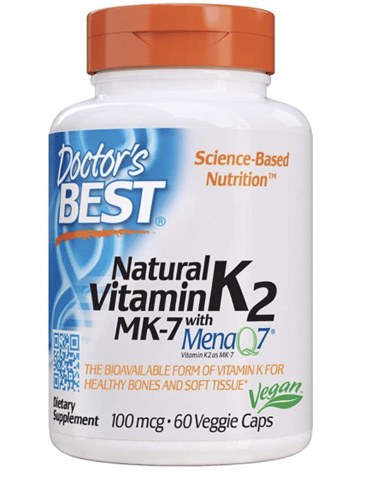
Doctor’s Best Natural Vitamin K2 Mk-7 with MenaQ7 at Amazon are vegan, gluten-free, and soy-free. Perfect if you have an intolerance to wheat or soy.
Vitamin D3 for Immunity and Mood
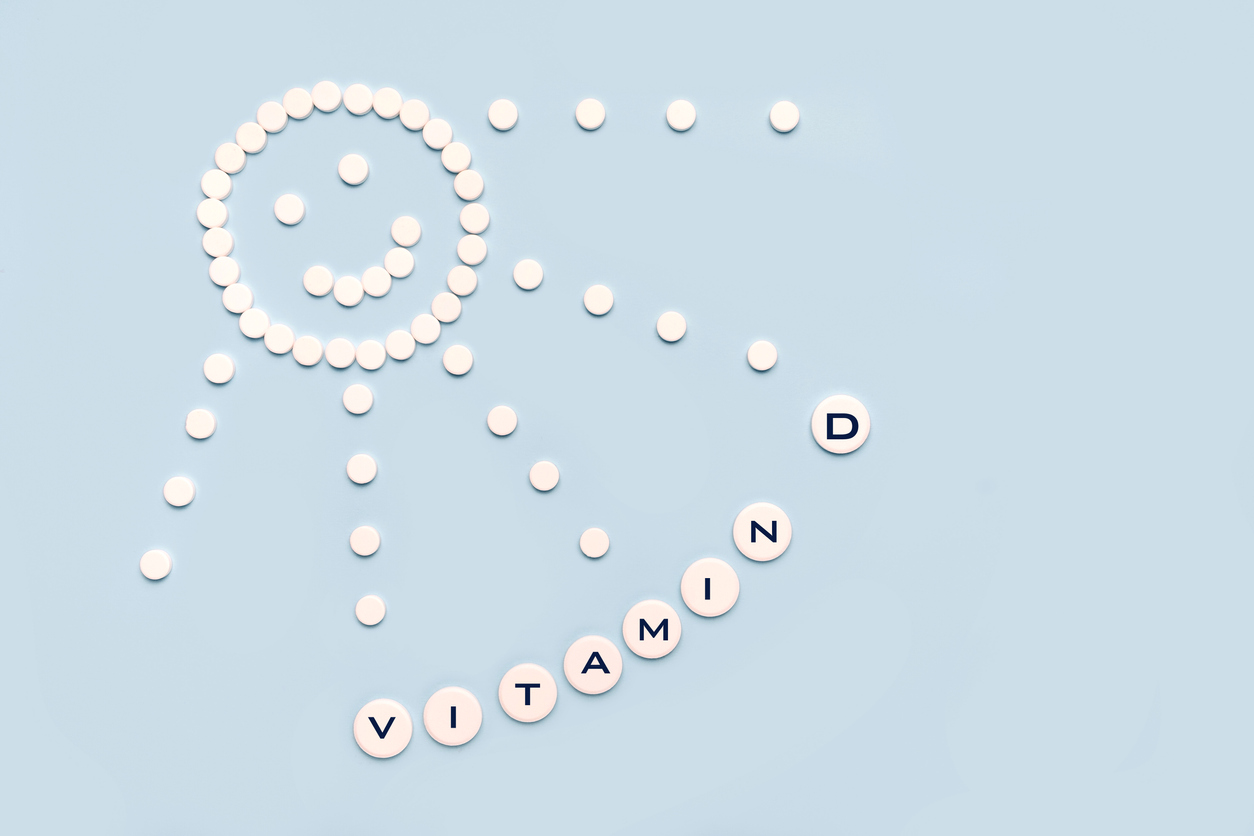
While vitamin D is best known for its role in calcium absorption to maintain strong bones, it is also vital for immunity and for regulating the mood. Deficiency can cause headache, loss of appetite, mental fatigue, low mood, and irritability.
Average dietary intake of vitamin D is just 3mcg per day, yet we need at least 10 mcg per day to avoid reduced immunity during winter months.
Older people need higher doses of vitamin D because we absorb it less effectively from our food and because we make as much as four-fold less in our skin on exposure to sunlight.
I usually suggest a dose of 25mcg to 50mcg of vitamin D per day for those over the age of 50. If in doubt, a blood test can assess your vitamin D status and show you how much you need.
One US study found that a dose of 100mcg per day was needed to secure optimum blood levels in all women over the age of 75 years, for example. Look for supplements providing vitamin D3 which is more effective in maintaining vitamin D status than the plant form, vitamin D2.
Benefits of Vitamin D
Bone Health
Vitamin D plays a vital role in calcium absorption and bone metabolism. Adequate vitamin D levels help maintain optimal bone density and reduce the risk of fractures, osteoporosis, and bone-related disorders such as rickets in children and osteomalacia in adults.
Muscle Strength
Vitamin D may contribute to muscle strength and function. Research suggests that adequate vitamin D levels are associated with improved muscle strength, balance, and coordination, reducing the risk of falls, particularly in older adults.
Immune System Support
Vitamin D has immunomodulatory effects and plays a role in innate and adaptive immune responses. It helps regulate immune cell function, enhances the antimicrobial activity of immune cells, and may reduce the risk of infections, including respiratory tract infections like the common cold and flu.
Heart Health
Some studies suggest that adequate vitamin D levels may be associated with a lower risk of cardiovascular diseases, including hypertension, heart attack, and stroke. Vitamin D may help regulate blood pressure, improve endothelial function, and reduce inflammation, contributing to overall heart health.
Mood Regulation
Vitamin D receptors are present in areas of the brain involved in mood regulation. Research indicates that vitamin D deficiency may be linked to an increased risk of depression, seasonal affective disorder (SAD), and other mood disorders. Supplementing with vitamin D may help improve mood and alleviate symptoms of depression.
Cancer Prevention
There is evidence suggesting that adequate vitamin D levels may be associated with a reduced risk of certain cancers, including colorectal, breast, prostate, and pancreatic cancers. Vitamin D may exert anticancer effects by regulating cell growth, differentiation, apoptosis, and angiogenesis.
Improved Cognitive Function
Some studies suggest a potential link between vitamin D status and cognitive function. Adequate vitamin D levels may help maintain cognitive health and reduce the risk of cognitive decline, dementia, and Alzheimer’s disease, although more research is needed to establish a definitive relationship.
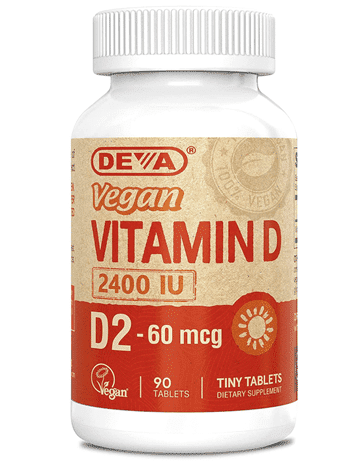
Deva Vegan Vitamin D2 on Amazon is completely vegan, suitable for vegetarians, and free from any animal-derived ingredients. It is guaranteed for purity, freshness, and accurately labeled potency.
Ubiquinol for Energy

Ubiquinol is a form of coenzyme Q10 – a vitamin-like substance that is needed to process oxygen and generate energy in the cells, especially heart muscle cells.
Coenzyme Q10 supplements are available in two main forms: an active, reduced form called ubiquinol, and a ‘spent’, oxidised form known as ubiquinone. Before it can act, ubiquinone must be converted into ubiquinol and, as you get older, this conversion becomes less efficient.
Ubiquinol is therefore considered the better form for those over the age of 50. Ubiquinol is especially helpful if you feel lacking in energy, and if you are taking a statin drug which blocks the production of both cholesterol and coenzyme Q10 in the body.
Cells that are lacking in coenzyme Q10 don’t function as well, and deficiency has been linked with heart failure and with statin-related muscle aches and pains.
Benefits of Coenzyme Q10
Energy Production
CoQ10 is involved in the production of adenosine triphosphate (ATP), which is the primary energy currency of cells. Supplementing with CoQ10 may help enhance cellular energy production, which can benefit overall physical energy levels and stamina.
Heart Health
CoQ10 is concentrated in the heart muscle, where it helps support cardiovascular function. Research suggests that CoQ10 supplementation may help reduce the risk of certain heart conditions, including heart failure, high blood pressure, and atherosclerosis. It may also improve symptoms in individuals with existing heart conditions.
Antioxidant Protection
CoQ10 acts as a potent antioxidant, neutralizing harmful free radicals and reducing oxidative stress in the body. By protecting cells and tissues from oxidative damage, CoQ10 may help prevent chronic diseases, slow the aging process, and support overall health.
Migraine Prevention
Some studies have suggested that CoQ10 supplementation may help reduce the frequency and severity of migraines. CoQ10’s antioxidant properties and its role in cellular energy metabolism may contribute to its effectiveness in migraine prevention.
Exercise Performance
CoQ10 may have potential benefits for exercise performance and recovery. It helps optimize energy production in muscle cells, potentially improving endurance, reducing fatigue, and enhancing recovery after strenuous exercise.
Neurological Health
CoQ10 is found in high concentrations in the brain, where it helps support neurological function. Some research indicates that CoQ10 supplementation may have neuroprotective effects, potentially reducing the risk of neurodegenerative diseases such as Parkinson’s and Alzheimer’s.
Skin Health
CoQ10 is involved in the production of collagen and elastin, two proteins essential for skin health and elasticity. As an antioxidant, CoQ10 also helps protect the skin from oxidative damage caused by UV radiation and environmental pollutants, potentially reducing the signs of aging and promoting overall skin health.
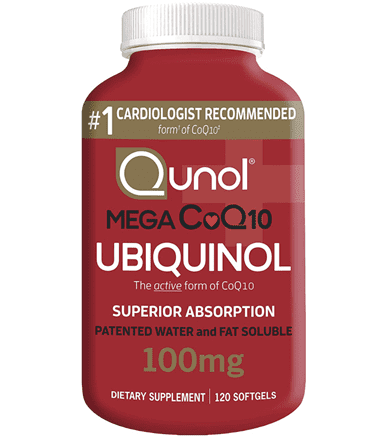
Qunol Mega Ubiquinol CoQ10 100mg on Amazon features a patented formulation that is fully water and fat-soluble, a unique feature compared to standard CoQ10, which has limited solubility in both water and fat. It is also gluten-free.
Royal Jelly for Hormone Balance
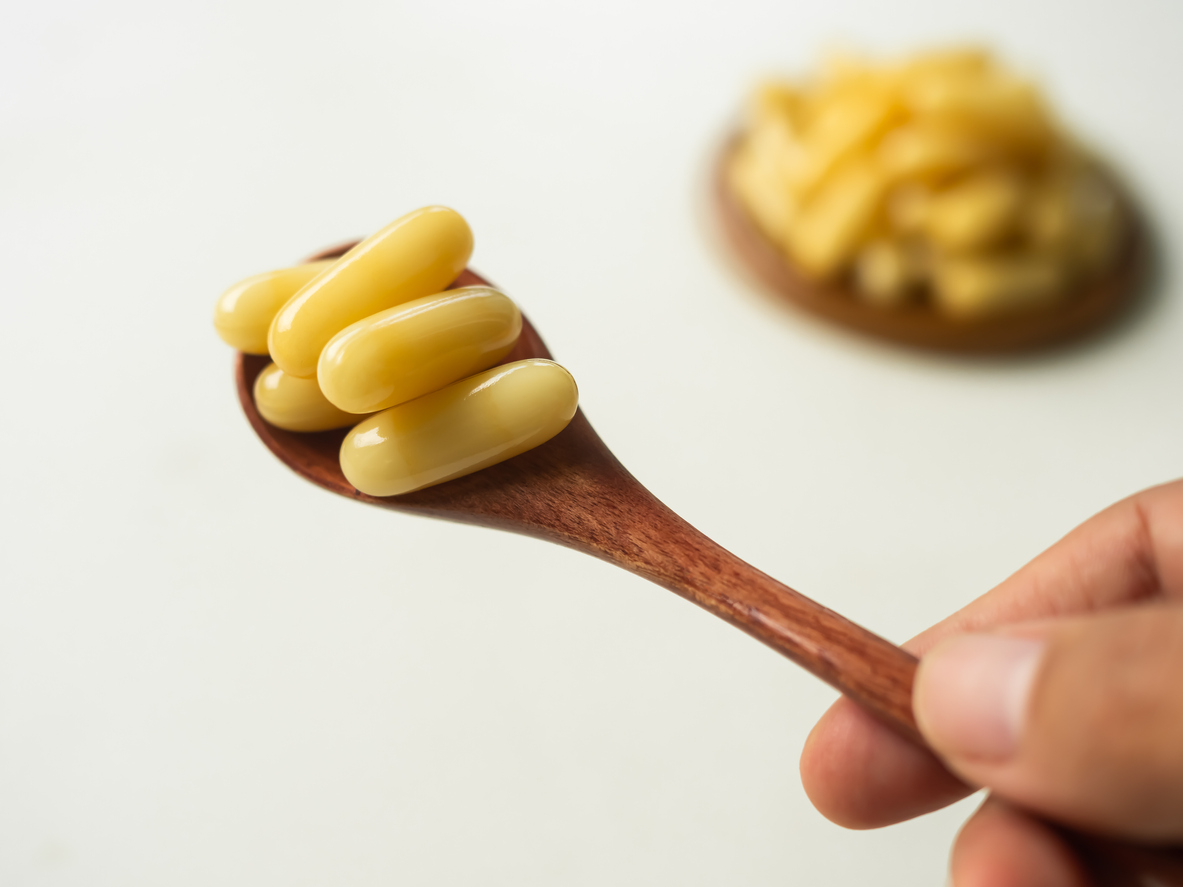
Royal jelly provides powerful antioxidants and has antibacterial and anti-inflammatory effects. It is one of the best sources of vitamin B5, which helps to combat fatigue and insomnia and to maintain healthy skin, hair, and digestion.
Studies show that Royal Jelly has estrogen-like effects, and also stimulates the production of collagen in the skin. It’s, therefore, not surprising that Royal Jelly is a popular supplement to promote general well-being.
Many women notice that taking Royal Jelly increases vitality and improves the complexion, nail strength, and hair glossiness.
Benefits of Royal Jelly
Nutritional Content
Royal jelly is rich in essential nutrients, including proteins, carbohydrates, vitamins (such as B vitamins and vitamin C), minerals (such as calcium and iron), fatty acids, and amino acids. These nutrients contribute to overall health and well-being.
Immune Support
Some research suggests that royal jelly may help support the immune system and enhance the body’s natural defense mechanisms against infections and diseases. It contains compounds like peptides and enzymes that have immunomodulatory effects.
Anti-inflammatory Properties
Royal jelly contains anti-inflammatory compounds that may help reduce inflammation in the body. By inhibiting inflammatory pathways, royal jelly may alleviate symptoms of inflammatory conditions such as arthritis and promote overall health.
Skin Health
Royal jelly is often used in skincare products for its potential benefits for skin health. It contains antioxidants and antimicrobial compounds that may help protect the skin from damage caused by free radicals and prevent infections. Royal jelly may also promote collagen production, improving skin elasticity and reducing the appearance of wrinkles and fine lines.
Antioxidant Activity
Royal jelly contains antioxidants such as flavonoids and phenolic compounds that help neutralize harmful free radicals in the body. By reducing oxidative stress, royal jelly may help prevent cell damage, slow the aging process, and reduce the risk of chronic diseases.
Brain Health
Some studies suggest that royal jelly may have neuroprotective effects and support cognitive function. It contains compounds like 10-Hydroxy-2-decenoic acid (10-HDA) and royalactin, which may help protect brain cells from damage, enhance memory, and improve learning ability.
Energy and Stamina
Royal jelly is often touted for its potential to boost energy levels and improve stamina. Its nutrient-rich composition, including carbohydrates, proteins, and B vitamins, may help enhance physical endurance and reduce fatigue.

Puritan’s Pride Royal Jelly offers the finest quality supplement, meticulously produced through scientific formulation. They are gluten-free, ensuring the utmost standards of purity and wellness.
Sea Buckthorn Oil to Overcome Dryness
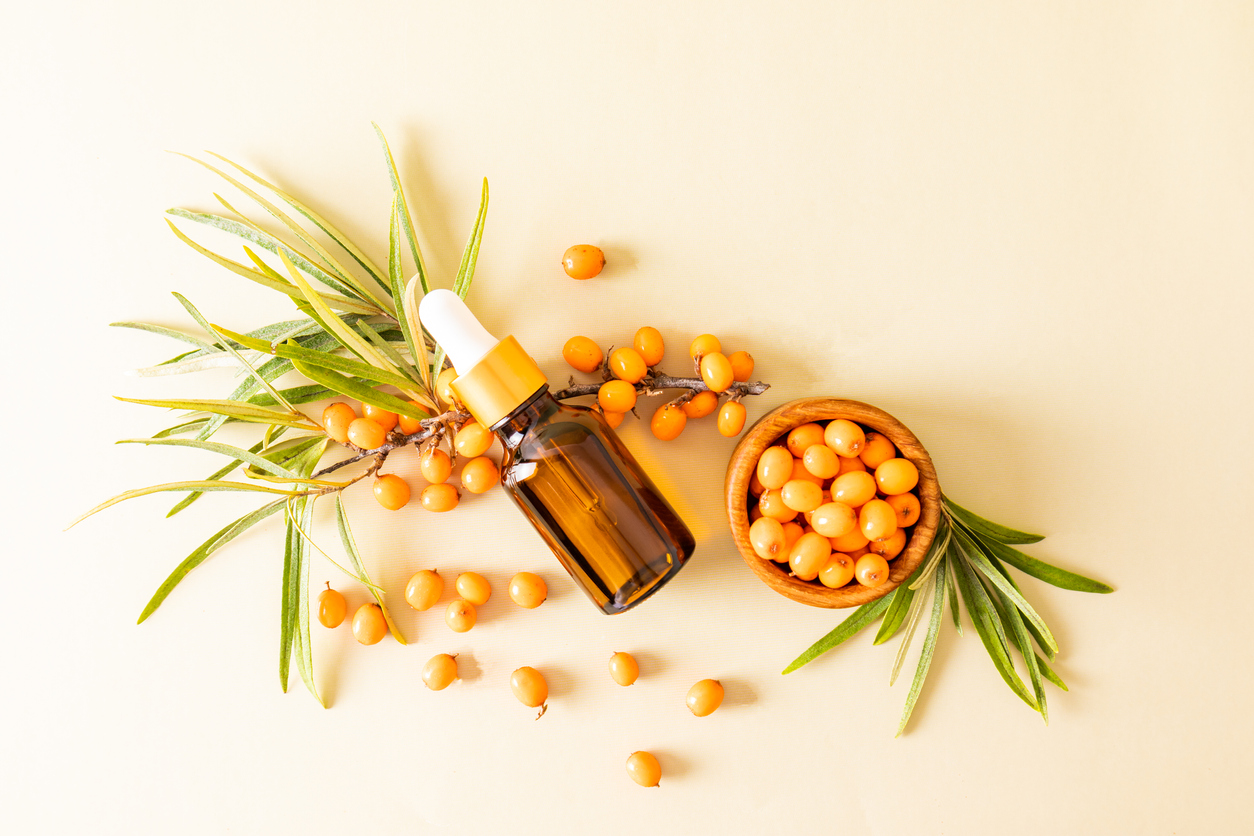
Sea buckthorn oil is an emerging ‘secret’ oil for older women. It is rich in a wide range of omega-oils, including the relatively rare omega-7s which moisturize the hair and skin and reduce dryness.
Sea buckthorn oil helps to increase the lubricating qualities of tears. The oral supplements help to relieve dry eyes, redness, and burning. Its main use is in overcoming female intimate dryness which is a common problem after menopause.
Sea buckthorn oil has also been claimed to improve the flexibility of arterial walls and to have beneficial effects on cholesterol balance.
Sea Buckthorn Benefits
Rich in Nutrients
Sea buckthorn berries are packed with essential nutrients, including vitamins (such as vitamin C, vitamin E, and vitamin K), minerals (such as potassium, calcium, and magnesium), antioxidants, flavonoids, and fatty acids (including omega-3, -6, -7, and -9).
Boosts Immunity
The high vitamin C content of sea buckthorn helps support the immune system, enhancing the body’s ability to fight off infections and illnesses. Additionally, the antioxidants in sea buckthorn berries help reduce oxidative stress and inflammation, further supporting overall immune health.
Promotes Heart Health
Sea buckthorn contains heart-healthy nutrients like omega-7 fatty acids, which have been shown to support cardiovascular health by reducing inflammation, lowering cholesterol levels, and improving blood lipid profiles. Regular consumption of sea buckthorn may help reduce the risk of heart disease and improve heart function.
Supports Skin Health
Sea buckthorn oil is commonly used in skincare products for its ability to promote skin health and appearance. It contains high levels of vitamin E, which nourish and hydrate the skin, as well as omega fatty acids that support skin regeneration and repair. Sea buckthorn oil may help improve skin texture, reduce inflammation, and alleviate symptoms of conditions like eczema and acne.
Aids Digestive Health
Sea buckthorn berries and oil are rich in fiber, which supports digestive health by promoting regular bowel movements and preventing constipation. Additionally, the antioxidants and anti-inflammatory compounds in sea buckthorn may help soothe and heal digestive issues such as gastritis and ulcers.
Anti-inflammatory Properties
Sea buckthorn contains a variety of bioactive compounds with potent anti-inflammatory properties, including flavonoids, carotenoids, and omega fatty acids. These compounds help reduce inflammation throughout the body, potentially alleviating symptoms of inflammatory conditions such as arthritis, asthma, and inflammatory bowel disease (IBD).
Supports Eye Health
The vitamin A content of sea buckthorn helps support eye health and vision. Vitamin A is essential for maintaining the health of the retina and other structures of the eye, reducing the risk of age-related macular degeneration (AMD) and other eye disorders.
Boosts Cognitive Function
Some research suggests that the antioxidants and fatty acids found in sea buckthorn may have neuroprotective effects, supporting brain health and cognitive function. Regular consumption of sea buckthorn may help improve memory, concentration, and overall cognitive performance.
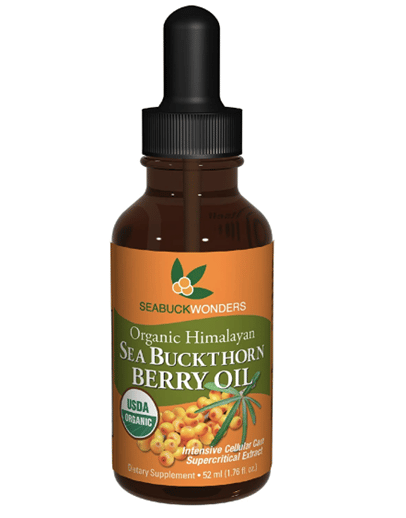
Derived from sea buckthorn berry pulp, this oil is 100% USDA Certified Organic and Non-GMO Project Verified. It utilizes a Super Critical Extract method and holding Kosher Certification.
Turmeric for Anti-Inflammatory Benefits
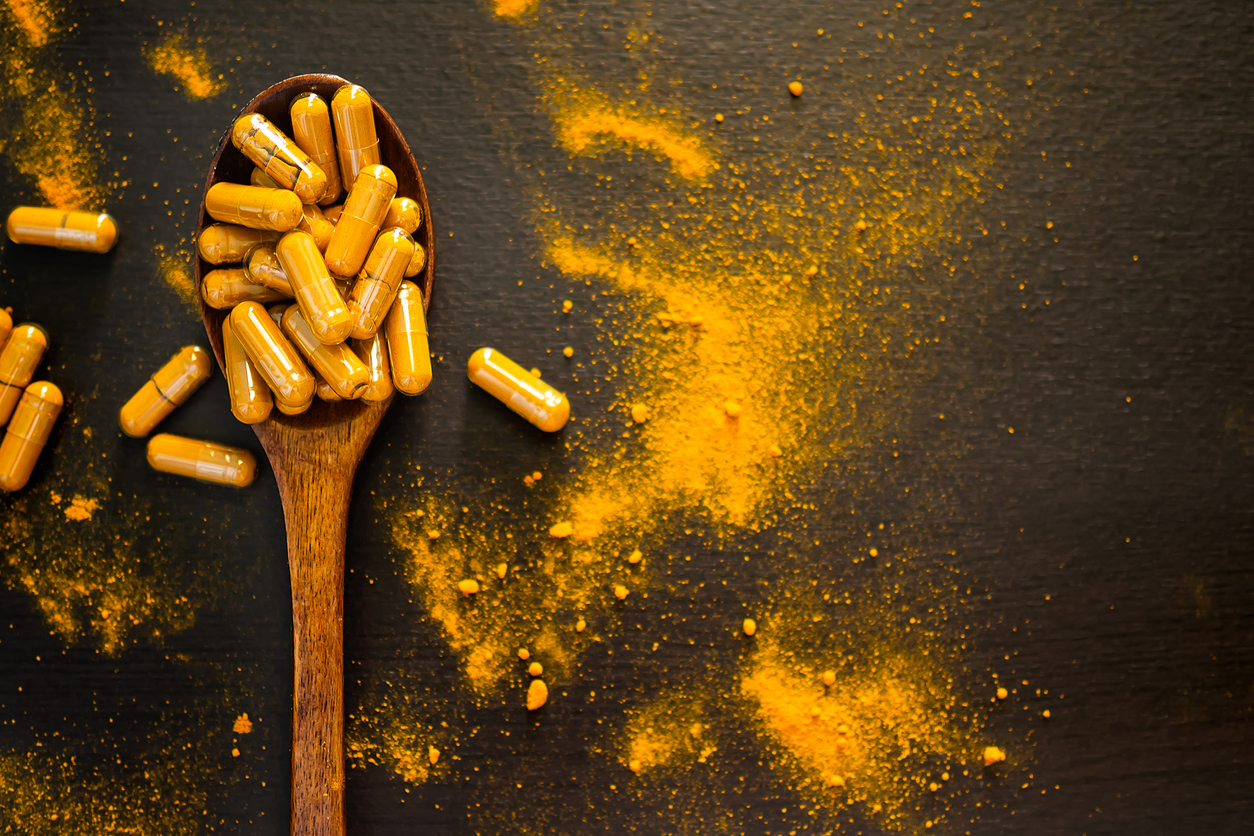
Turmeric spice is used in Ayurvedic medicine to improve many of the niggling aches and pains associated with age and to support liver function and immunity.
Its active ingredient is curcumin, an antioxidant that stimulates liver metabolism and bile production to lower cholesterol levels and improve digestion. Turmeric also blocks the production of inflammatory chemicals (e.g., TNF-alpha) to reduce muscle and joint pains.
Supplements are absorbed best if they provide turmeric in a water-soluble nanomicelle form or combined with a black pepper extract called piperine. I’ve found turmeric helpful for knee pain.
Benefits of Turmeric
Anti-Inflammatory Properties
Curcumin, the active compound in turmeric, possesses powerful anti-inflammatory properties. It helps reduce inflammation in the body, potentially alleviating symptoms of inflammatory conditions such as arthritis, rheumatoid arthritis, and inflammatory bowel disease (IBD).
Antioxidant Activity
Turmeric contains antioxidants that help neutralize harmful free radicals, protecting cells and tissues from oxidative damage. Regular consumption of turmeric may help reduce the risk of chronic diseases, slow the aging process, and promote overall health.
Pain Relief
Due to its anti-inflammatory properties, turmeric may help alleviate pain associated with various conditions. These include arthritis, joint pain, and muscle soreness. Some studies suggest that turmeric may be as effective as nonsteroidal anti-inflammatory drugs (NSAIDs) in reducing pain and inflammation.
Supports Heart Health
Turmeric may benefit heart health by improving cardiovascular function, reducing inflammation in the blood vessels, and lowering cholesterol levels. It may help lower the risk of heart disease, hypertension, and stroke.
Aids Digestive Health
Turmeric has been traditionally used to support digestive health and treat digestive disorders. It may help improve digestion, reduce bloating and gas, and alleviate symptoms of indigestion and heartburn. Turmeric also stimulates bile production, which aids in the breakdown of fats.
May Improve Brain Function
Some research suggests that curcumin may have neuroprotective effects and help improve cognitive function. It may enhance memory, reduce the risk of neurodegenerative diseases such as Alzheimer’s, and promote overall brain health.
Supports Skin Health
Turmeric has been used for centuries in traditional medicine for its skin-healing properties. It contains compounds with antibacterial and anti-inflammatory properties that may help treat acne, eczema, psoriasis, and other skin conditions. Turmeric also promotes wound healing and may reduce the appearance of scars and blemishes.
May Aid Weight Management
Some studies suggest that turmeric may help support weight loss and weight management efforts. It may help increase metabolism, reduce fat accumulation, and suppress appetite, although more research is needed to confirm these effects.
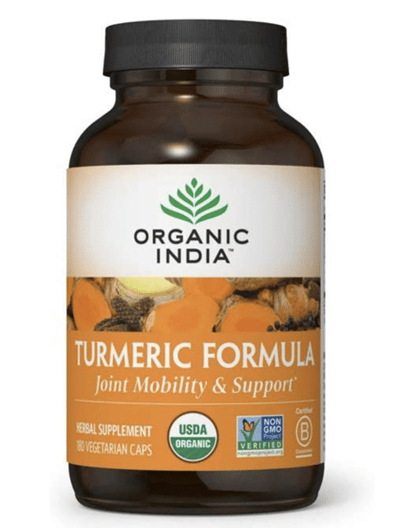
In 2018, Organic India achieved the distinction of being India’s inaugural food production facility to receive LEED Platinum certification. This milestone underscores our unwavering dedication to community welfare, environmental stewardship, employee welfare, and support for our farming partners.
Read THE SPICE OF LIFE: THE HEALTH BENEFITS OF TURMERIC FOR WOMEN OVER 60.
You can also take a multivitamin that includes most of these vitamins and minerals if you don’t want to fuss with several bottles daily.
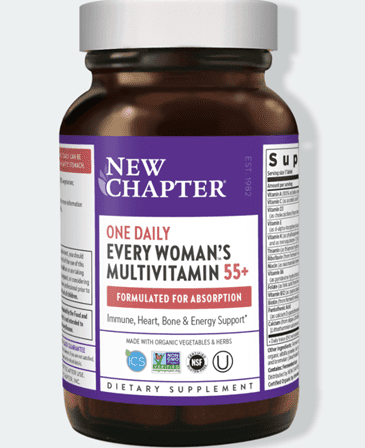
New Chapter, 55+ every woman’s One Daily Multi is a meticulously produced daily multivitamin for women over 50. It offers expert formulation, providing essential nutrients crucial for immune, heart, brain, bone, energy, skin, hair, and breast health.
Some of you have asked if there exists a tablet with all the mentioned supplements together. Not that we know of. What you can do is purchase a multi-vitamin (preferably designed for women over 50) that has most of the mentioned ingredients and purchase the others separately. Generally, vitamin D and K are found in most multi-vitamins for older women. The vitamins and minerals can vary from brand to brand so make sure to read the list of ingredients.
Read MULTIVITAMINS VS. INDIVIDUAL SUPPLEMENTS – WHAT’S BEST FOR HEALTHY AGING?
Also read BEST MULTIVITAMINS AND SUPPLEMENTS FOR WOMEN OVER 50.
Let’s Have a Conversation:
Do you take any of the above supplements? If so, have you found them helpful? What supplements do you take? What supplements for women over 60 do you use? Please share in the comments below.
Tags Healthy Aging


