


The Difference Between Solitude and Loneliness After 60
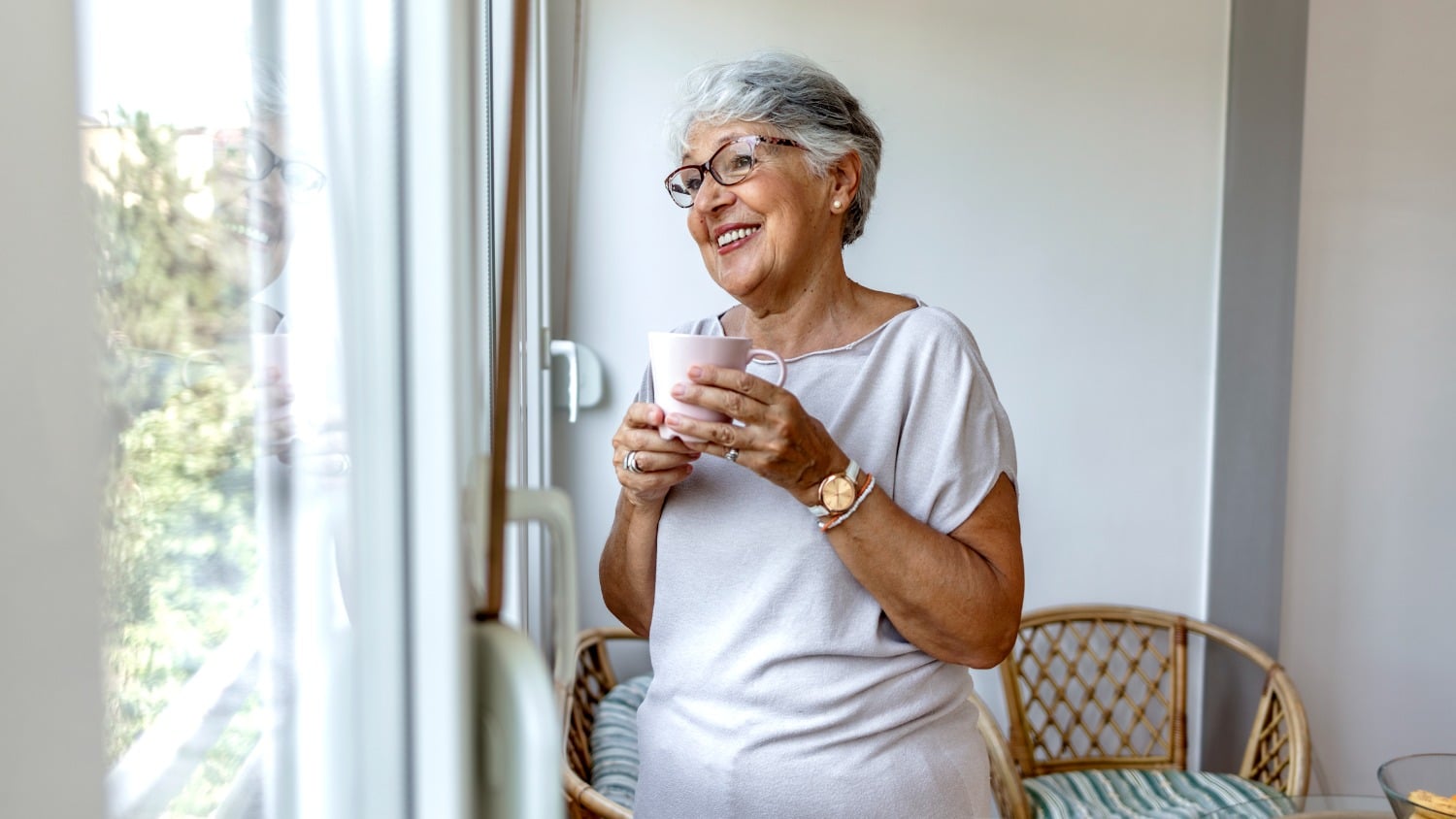
A woman over 60 cancels plans on a Friday night. She makes tea. She sits in a chair she loves and reads until her eyes get heavy. She sleeps well.
When someone asks what she did over the weekend, she hesitates. Because “nothing” sounds like a confession when you’re over 60.
A younger woman has the same Friday. She calls it self-care. Same evening. Different story.
A quiet Saturday becomes something you defend. Eating alone becomes something you explain. Choosing your own company becomes something people worry about. Turning down an invitation becomes evidence you’re “withdrawing.”
Solitude Is Not the Early Stage of Loneliness
Somewhere along the way, most of us absorbed a specific equation: alone equals lonely. And after 60, the math gets worse, because the culture has already decided that aging plus aloneness equals decline.
But solitude and loneliness are not two points on the same line. They are different experiences entirely.
Loneliness is the gap between the connection you want and the connection you have. Solitude is what happens when that gap closes and you find yourself enough.
I’ve watched women confuse the two for years. A Saturday alone leaves their body restored, their sleep deeper, their mind clearer. And then someone asks what they did, and they hear themselves apologizing for it. The day was working. The interpretation wasn’t.
The interpretation wasn’t yours, originally. It was given to you. After 60, you get to ask whether it still fits.
What This Isn’t
This is not an argument against connection. Real loneliness is real. Prolonged isolation has consequences that are well-documented, and if you are lonely, that matters. It deserves attention, not reframing.
But not every quiet life is a stuck life. Some of them are chosen. This piece is for the woman whose solitude works for her, until someone else’s concern makes her second-guess it.
What Gets Misread
Social Recalibration
After decades of meeting other people’s needs (children, partners, colleagues, aging parents), your social appetite changes. Wanting fewer people in your orbit is not withdrawal. It’s proportion.
Selective Energy
You decline an invitation not because you can’t go, but because the recovery cost isn’t worth it. That isn’t depression. That’s honest accounting of a resource that’s no longer unlimited.
Post-Role Silence
When the roles that structured your social life shift (retirement, an empty nest, a marriage in a new chapter), the silence that follows can feel alarming. Silence after noise is not the same as silence from neglect.
Preference Clarity
You know now what kind of company fills you and what kind drains you. That specificity can look like pickiness from the outside. From the inside, it’s the result of paying attention for 60+ years.
The End of Performance
You used to fill silences. Now you let them sit. Other people read that as you becoming “quieter.” From the inside, it’s the relief of stopping a performance you didn’t realize you’d been giving.
What the Body Is Saying When You’re Alone
Here is a question worth sitting with: when you are alone on a given evening, what does your body actually do?
If your shoulders drop and your breathing slows, that is solitude. Your nervous system is telling you something your social calendar may not reflect — that you are safe in your own company.
If your chest tightens, if you reach for the phone not because you want to talk but because the silence feels like pressure, that is loneliness signaling. Not a character flaw. A need.
The body doesn’t editorialize. It reports. The interpretation is where the trouble usually enters.
If you’ve been misreading your own solitude for years, your body may take a while to relax once you stop. That is normal. The body is slow. Give it time to catch up to the truer reading.
For readers who want the science behind this, including what your body is actually measuring when you’re alone, see my companion piece at Proactive Health Labs.
Questions to Ask Yourself
These are not instructions. They are questions you can ask the next time you’re alone and unsure which experience you’re having:
- Did I choose this, or did it just happen to me?
- Am I resting, or am I hiding?
- If someone I love called right now, would I feel relieved, or interrupted?
- Is the discomfort coming from inside me, or from what I think other people would say about this moment?
You don’t have to answer all four. One honest answer is usually enough.
A Different Definition of Solitude After 60
Solitude after 60 is not the absence of people. It is the presence of a self you have finally stopped abandoning for the comfort of others.
It is not something to be rescued from. It is something you may have spent your whole life earning.
The woman reading this has spent decades in rooms full of people. She has hosted, listened, organized, shown up, held space, made it work. She has raised people, ended things, started things, buried people, kept going. She knows what connection costs because she has been paying the bill for years.
If she now finds herself choosing a quiet room over a crowded one, that is not a loss. That is a woman who knows what she needs.
Start there.
Let’s Reflect:
Have you ever had a moment of solitude that someone else misread as loneliness? What happened? Share your story in the comments below.

Thank you for your excellent article and research in your companion piece. My 90 year old friend moved back ‘home’ across the ocean on the advice of family and friends. This once happy, optimistic and very healthy and fit man is now lonely and miserable.
Fortunately he has listened to “The body that has carried [him] to [90 and that it] has earned the right to be believed.” (quoted from your research article).
He is now coming back to his true home next week. He already sounds happier and more content. Later in life friends become more important than family. They’re the ones who understand us the most. Thank you again for the research that backs up the difference between loneliness and solitude.
Thank you for telling me this. The line about the body earning the right to be believed is the one I almost cut, because I worried it asked too much. Your friend is the reason I’m glad I didn’t. I hope his return home is everything he’s hoping for.
Thank you Joy! We’re all excited he’s listened to what his healthy body was telling him. 😁
Great article to ponder. I’m not sure myself in solitude or loneliness . After reading realise where I belong
Great article to reflect on, people always ask why I have not met a man yet, and honestly I am content by myself, although I should socialize more. I work full time from home and travel for work regularly so it is nice to just watch my favorite shows and read and drink wine alone. I do not feel lonely, but feel I need a better balance too.
I was an introvert from the start, and im still an introvert now, but nowadays Im clearer about what I choose to do. Ive noticed a shift in certain things. I balance my social time and dont do things just because someone else does. Im finally myself and totally enjoy my quiet time in my humble sanctuary.
So glad someone finally said it out loud. As a lifelong extreme introvert, I weary of being constantly told I have to “get out there, socialize, make friends”. It’s like having to defend not drinking when everyone else is, it’s all about personal health choices. Really refreshing to be spoken up for. Thank you!