


Is Your Skin Barrier Asking for Help?
Do you notice your skin becoming drier, more sensitive, or slower to recover than it used to? Maybe your favorite moisturizer no longer seems to do the trick, or products you’ve used for years suddenly sting.
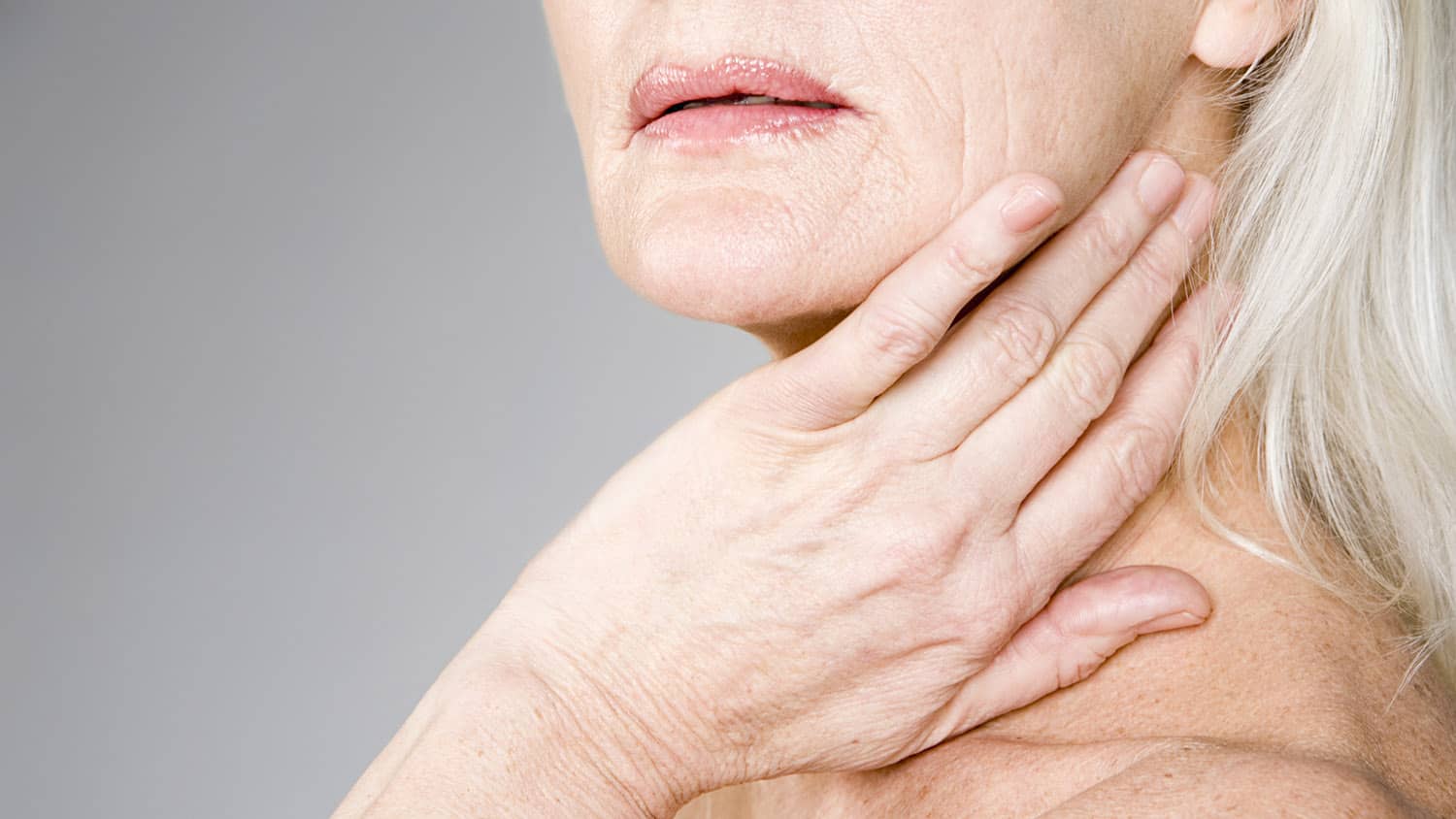
If you’ve spent decades gardening, hiking, skiing, golfing, or simply enjoying time outdoors, your skin has been working overtime for years. While we often blame these changes on aging alone, there’s another important factor: the health of your skin barrier.
As we age, especially after menopause, our skin naturally produces fewer oils and loses moisture more quickly. At the same time, years of exposure to sun, wind, dry air, and changing weather gradually weaken the skin’s protective barrier. Together, these changes can leave our skin feeling dry, rough, and easily irritated.
But your skin barrier can recover with the right care.
What Is the Skin Barrier?
Think of your skin barrier as your body’s first line of defense. It is the outermost layer of your skin, designed to keep moisture in while helping keep pollutants, allergens, bacteria, and other irritants out. This barrier function is an important part of the role skin plays in the health of the body.
Think of a brick wall as an analogy. The skin cells are the bricks, and a combination of lipids including ceramides, cholesterol, and fatty acids, form the mortar that holds the bricks together. When that “mortar” is healthy, your skin stays hydrated, smooth, and resilient. When it begins to break down, moisture escapes more easily and irritants can penetrate the skin.
Another important part of the barrier is something called the Natural Moisturizing Factor (NMF). These naturally occurring compounds attract and hold water inside the skin. Unfortunately, NMF levels gradually decline with age, making it harder for mature skin to stay hydrated.
A Lifetime Outdoors Leaves Its Mark
I always encourage people to spend more time outdoors. Fresh air, exercise, and nature are wonderful for our physical and mental health. But our skin experiences every sunny afternoon, windy hike, ski trip, bike ride, and day in the garden.
Ultraviolet light creates free radicals that damage skin cells and slowly weaken the skin barrier over time. Wind strips away moisture, while low humidity, particularly in places like Colorado, accelerates water loss from the skin. Cold temperatures, frequent temperature changes, and even perspiration followed by evaporation can all contribute to dehydration.
Most of this damage doesn’t happen overnight. It accumulates over decades, which is one reason why many women notice significant changes in their 50s and 60s.
Signs Your Skin Barrier Needs Attention
A weakened skin barrier often looks and feels like “aging skin,” but the symptoms may actually reflect a barrier that needs support.
You might notice:
- Skin that feels tight after cleansing.
- Persistent dryness or flaking.
- Increased redness or sensitivity.
- Products that suddenly sting.
- A rough texture or dull complexion.
- Fine lines that seem more noticeable because dehydrated skin has lost its plumpness
Helping Your Skin Recover
Healthy skin has always depended on keeping this protective barrier layer intact and healthy. Fortunately, your skin has an impressive ability to repair itself when given the right conditions.
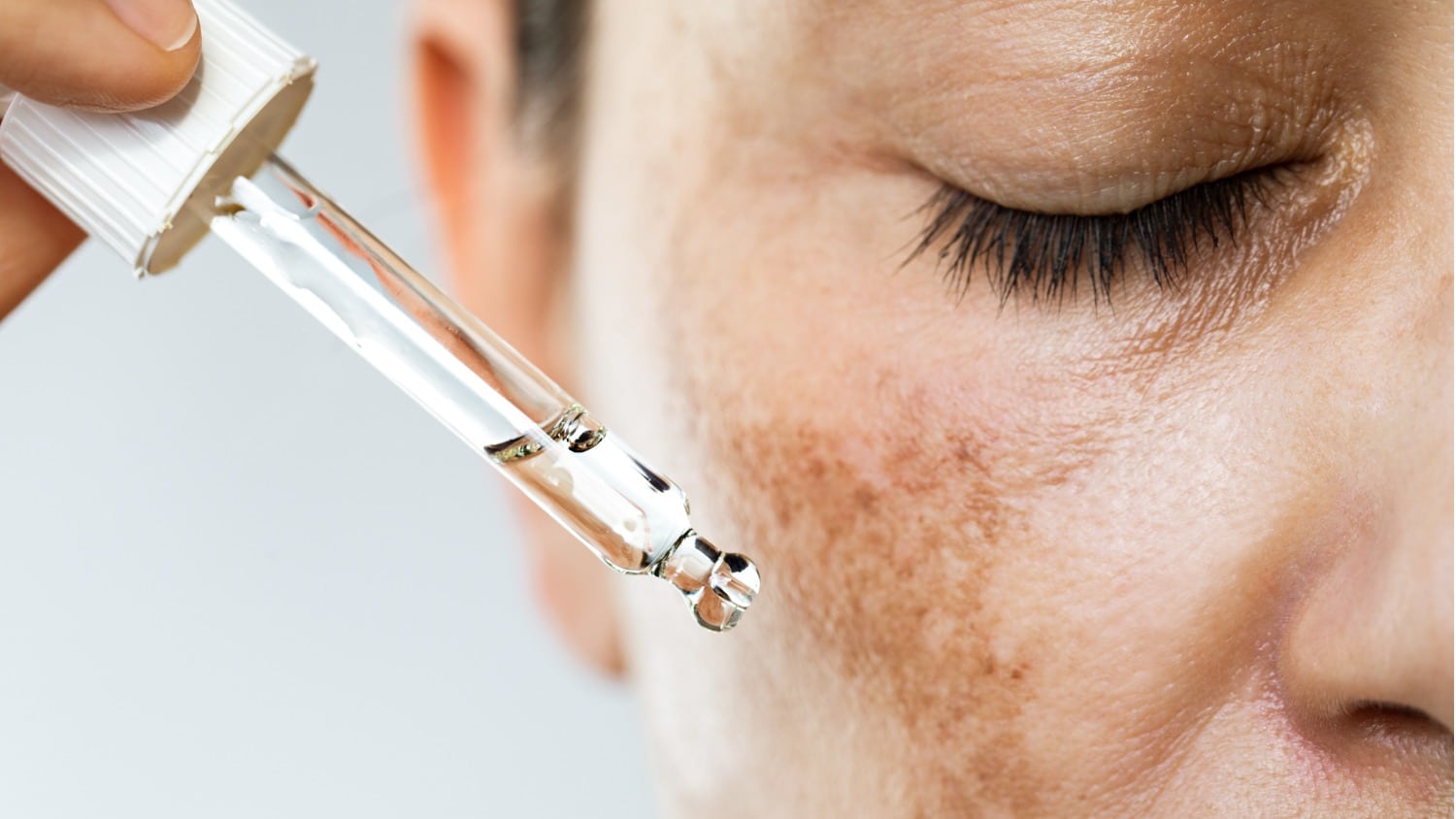
Choose a gentle cleanser that doesn’t strip away your skin’s natural oils. Moisturize while your skin is still slightly damp to help lock in water. Look for products containing ingredients that support the barrier, such as glycerin, hyaluronic acid, antioxidants, niacinamide, allantoin and plant oils.
Avoid over-exfoliating, especially if your skin has become thinner or more sensitive with age. And while we all know sunscreen helps prevent skin cancer, daily sun protection also helps preserve the integrity of your skin barrier.
Healthy Skin Begins with a Healthy Barrier
Many of us spend years searching for products that promise younger-looking skin. But healthy, resilient skin starts with something much more fundamental: a strong skin barrier.
As someone who has spent two decades formulating botanical skincare, and growing herbs for that purpose, I’ve learned that the goal isn’t to fight your skin. It’s to support the remarkable systems it already has.
I hope you love hiking, gardening, traveling, walking, skiing, or just sitting outside with a good book. Those experiences enrich our lives. And they remind us that, after a lifetime outdoors, our skin deserves a little extra care.
Let’s Chat:
How do you feel about the state of your skin? Do you think it needs a little extra care? What issues have you noticed?
Tags Mature Skin Care

Please say more about what can be done to revive the skin barrier as well as to refreshen the skin.
Karen, there are several steps to take to protect the skin barrier. First is to not exfoliate too much. Many products and procedures are meant to remove a bit of the outer layer of skin and while gentle exfoliation can help brighten skin, too much removes important components of the skin barrier. Second is to look for ingredients that support the skin barrier. These might include lipids, antioxidants, hyaluronic acid and glycerin. Some very low molecular weight molecules such as sodium PCA and sodium lactate also help the skin barrier. Overall, I think the most important on the antioxidants which can come from herbal extracts.
it’s hard getting older with my skin and other body changes! I have to be more careful and mostly with anti-aging products! I found a whole body wash that has simple ingred and actually my skin and scalp stopped itching! It’s by a brand Kirk’s that has been around a long time and in a pump btl! A little goes a long ways! Stress makes me break out too so we just do what we can! Mediate yoga outside etc!
I have Grover’s disease, eczema and now rosacea. Fun times. Skin barrier problems are no joke.
The crepey skin and age spots have started full force in the past 2 years! also, I get “bumps’ that scab over but do not go away…
Hi Janet, I hear you. The last couple of years can feel like everything changes at once with crepey skin and spots.
You’re not alone with those bumps that scab over and linger — a lot of us get them as our skin gets thinner and drier. What has helped me is being extra gentle with the skin barrier: fragrance-free moisturizer, daily SPF even when it’s cloudy, and not picking at the bumps.
Since yours aren’t going away, please do have a dermatologist take a look just to be safe and give you peace of mind. They can tell quickly what they are and what will help them heal.