


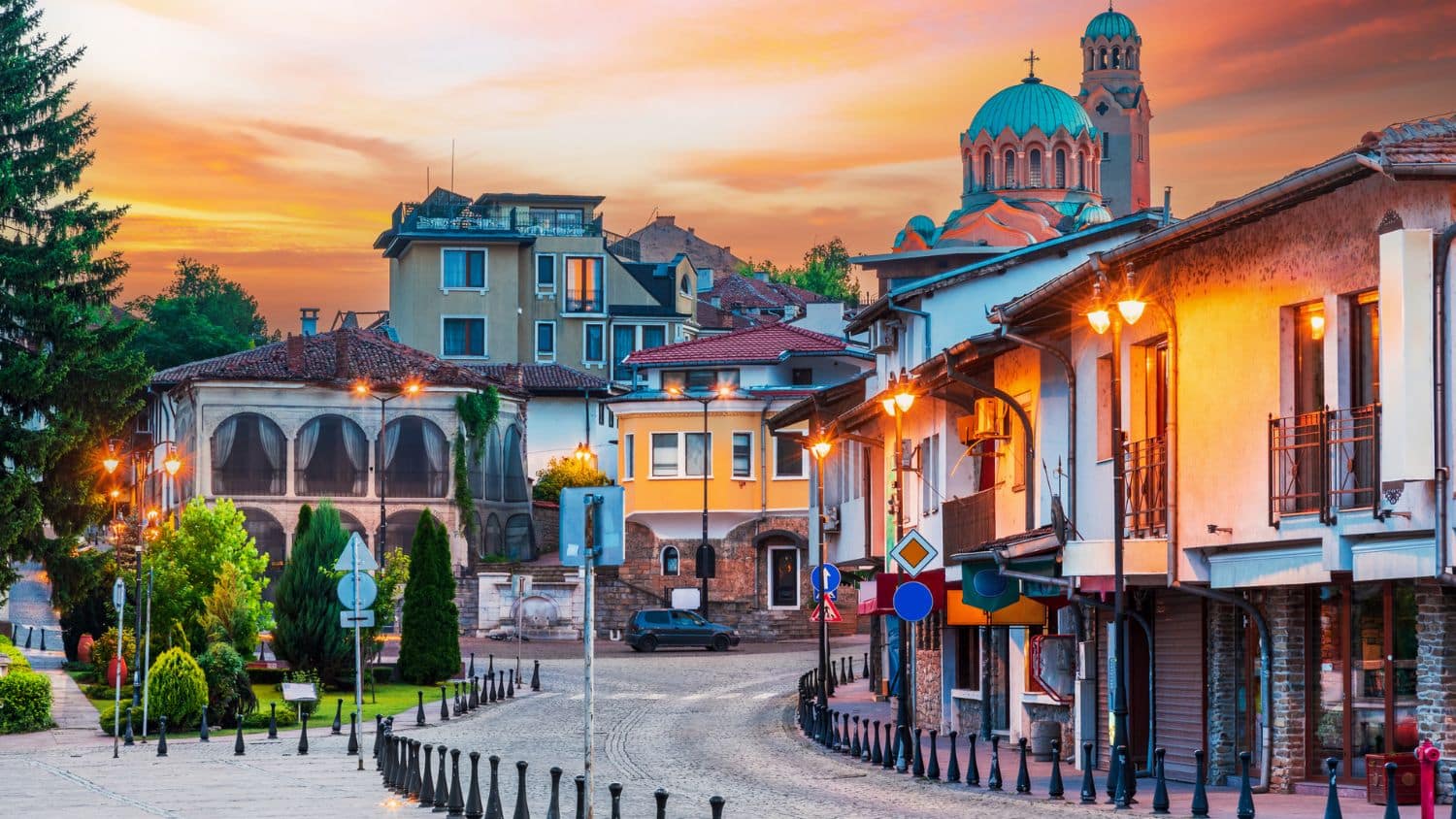
Hidden European Towns That Are Easier to Navigate Than the Famous Cities
Famous European cities can be thrilling to visit, but they can also come with crowds, confusing roads and metro maps, and the unfortunate tourist traps. Have you ever thought about visiting lesser-known European towns that are easier to navigate and enjoy? Small towns in Europe often have compact historic centers, fewer crowds, and easier transportation systems. One of the things I enjoy most about visiting smaller, lesser-known destinations is the more local, authentic experiences I get. If you enjoy getting to know people and their genuine culture when traveling, you might enjoy visiting small towns.
I have found hidden towns across Europe that offer all the amenities we typically enjoy when traveling, such as cafés, museums, trains, markets, and restaurants. They all offer the expected European charm without the big-city crowds, noise, and overwhelm.
Why These Towns Were Selected
The towns featured in this article all offer the charm and history that travelers seek when visiting Europe.
They Are Easy to Get Around
They have a slower rhythm and a more manageable layout. Meaning these towns have less crowded public transport, landmarks that are not packed with people, and neighborhoods that are less confusing than big cities (but remember, it’s still Europe!).
They Have Walkable Centers
Walkability was a major factor in deciding to include these towns on my list. Many of these hidden European towns have historic centers where the main sites, restaurants, shops, markets, and museums are close together.
They Tend to Feel Safer and Calmer
Safety and comfort were also important. Smaller towns usually have fewer crowds, which can mean less pushing through busy streets and a lower chance of common tourist scams.
Read more: 12 Smart Travel Habits to Stay Safe and Away from Scams and Thieves.
They Have Good Restaurants and Local Flavor
Good food was another reason these towns made the list. Most of these towns have excellent restaurants, markets, specialty local foods, and wineries. Some of them even have Michelin-recognized dining!
Fewer Crowds
The goal was to find places that still feel alive and interesting, but not overrun. Some of these places do attract visitors, especially in high season, but they are generally easier to enjoy than Europe’s most famous cities and landmark-heavy destinations.
They Encourage Slow Travel
Most of all, these towns were chosen because they allow you to slow down. They offer enough to see and do, all at your own pace. For many of us, that is the real luxury: a chance to enjoy Europe without feeling like everyone else’s itineraries are sweeping us along.
Advantages of Visiting Hidden European Towns
Of course, this type of travel is not for everyone. Some of you do enjoy the big-city action and packed schedules, and that’s okay.
For those of you interested in this type of travel, here are some advantages.
Accommodations Can Be More Affordable
Your budget may stretch further than in major European cities. This can give you the option to stay longer or book higher-end accommodations at reasonable prices.
Local Experiences Feel More Genuine
Away from the busy tourist routes, these towns are designed for residents rather than international visitors. This means that restaurants will feature regional dishes and shops will have local products.
This also means that English should not be expected. Try to learn a few basic words and phrases and download a translator like Google Translate to facilitate interactions.
Strong Sense of Local Identity
Smaller destinations often maintain their customs and traditions tied to their region rather than orchestrated for the tourist industry. This is a great opportunity for travelers seeking genuine, meaningful travel experiences.
Opportunities to Meet Local Families
For me, this has to be one of the highlights of traveling to smaller destinations. Chances are you will return to the same bakery, café, or market stall and form a rapport with the people there. They may open up and tell you about their families, their neighborhoods, and their daily lives. If you’re lucky, you may even get invited to a family dinner or local celebration!
Read more: Senior Travel Tips for Stress-Free Trips After 60 (Flights, Hotels & Insurance).
Hidden European Towns Without the Crowds
There are plenty of small, charming towns all over Europe. Here are 17 you may or may not have heard of, worth checking out, and adding to your travel bucket list if you enjoy slow travel and new discoveries.
Of course, these towns offer fewer activities and things to do than the larger, more famous European cities. Depending on your interests and pace, you can stay anywhere from two days to two months in any of these towns. I like to take part in local traditions and take language or artisan classes when staying for a longer period in a small town.
Treviso, Italy
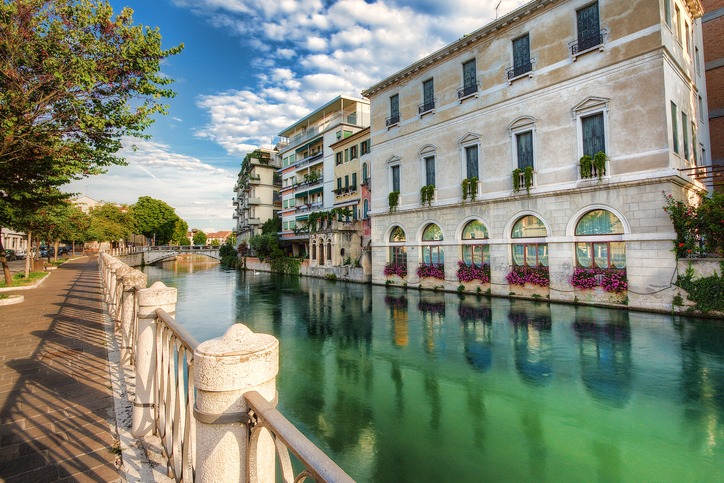
Treviso has canals, arcaded streets, old city walls, and a relaxed northern Italian feel. The great thing about Treviso is that it has a vibe similar to Venice but is much calmer, with fewer crowds.
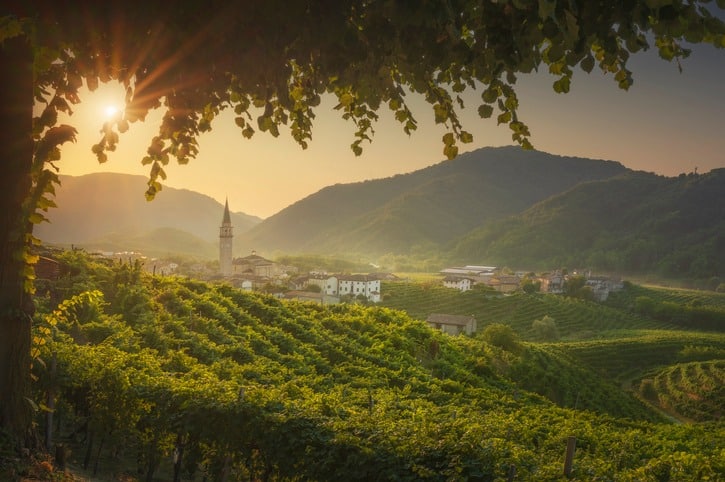
What to do in Treviso: Try a bacaro-style food crawl with cicchetti, prosecco, and a stop at Le Beccherie, often credited with the origins of tiramisu. Also, visit the nearby UNESCO-listed Prosecco Hills of Conegliano and Valdobbiadene.
Read more: Skip the Crowds: Italy’s Best Crowd-Free Experiences.
Cáceres, Spain
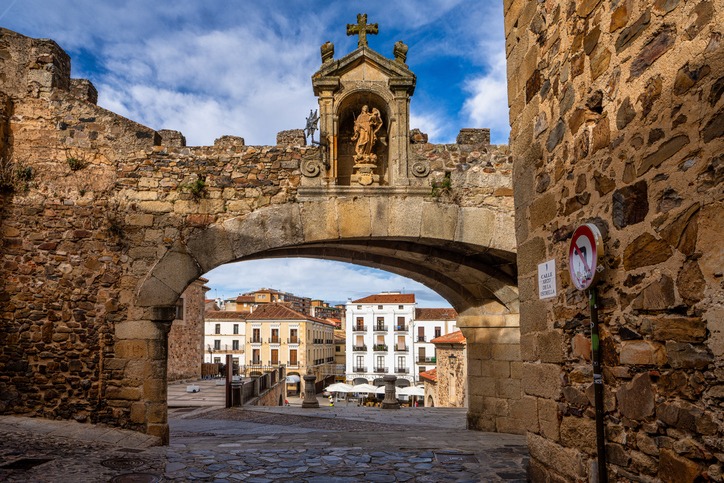
Cáseres is a beautifully preserved medieval town in Extremadura. It has stunning stone towers and a dramatic old center that feels almost untouched by modern life (and is a UNESCO World Heritage Site). Cáseres offers the history of Spain without the crowds of Madrid or Barcelona.
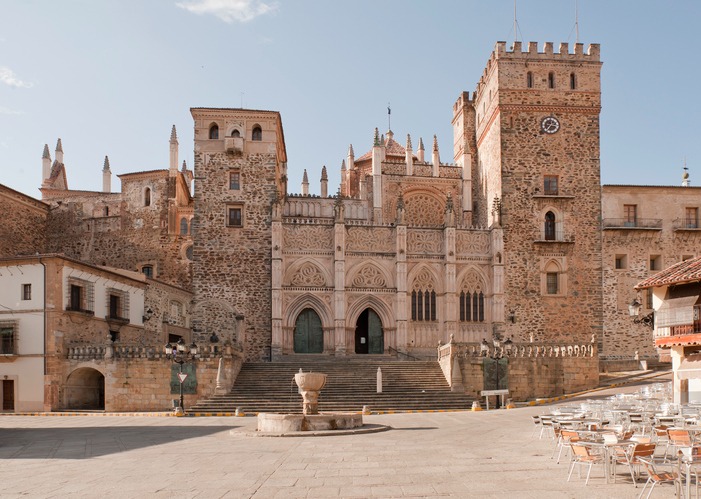
What to do in Cáceras: Visit the Helga de Alvear Museum of Contemporary Art.
Pécs, Hungary
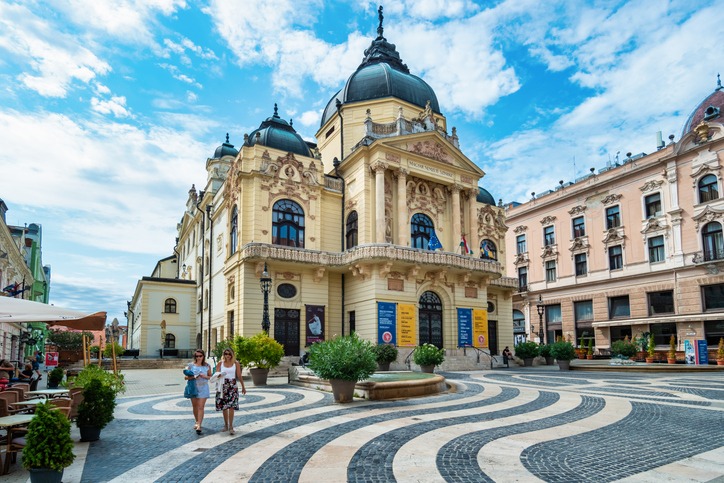
Pécs is a colorful cultural town in southern Hungary, where you can find Roman ruins and a creative spirit. Here you’ll find Ottoman architecture and mosaics. This hidden European town has a lot of depth and is much easier to manage than Budapest.
The Early Christian Necropolis of Pécs, also known as Sopianae, is a UNESCO World Heritage Site.
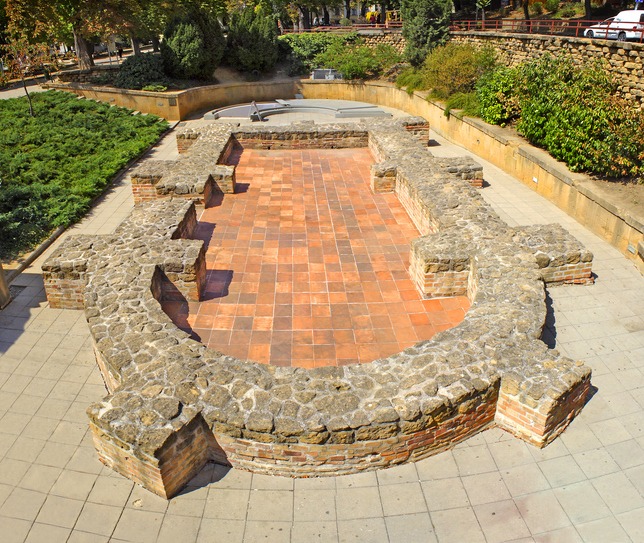
What to do in Pécs: Visit the Zsolnay Cultural Quarter to see the town’s famous ceramic heritage.
Mechelen, Belgium
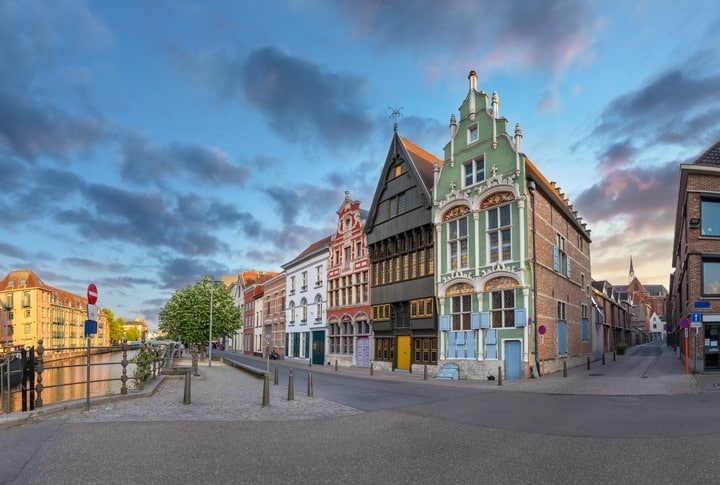
Mechelen is a delightful Belgian town between Brussels and Antwerp. It has canals, churches, breweries, museums, and much more – enough for a full and interactive visit. It feels very polished but not overrun. St. Rumbold’s Tower is part of the UNESCO-listed Belfries of Belgium and France.
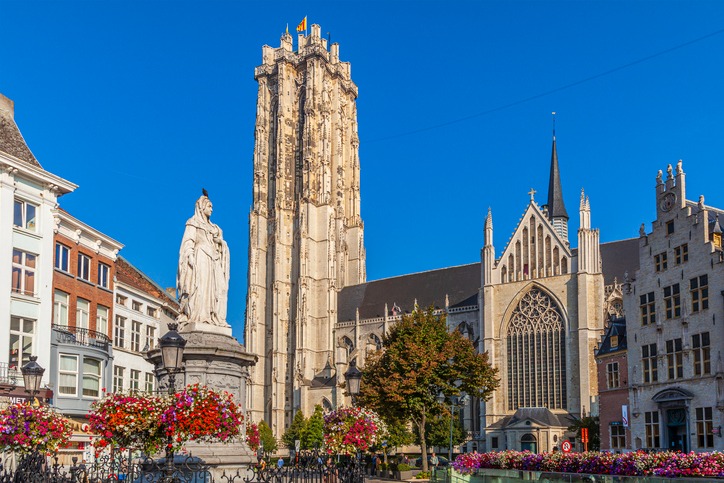
What to do in Mechelen: Visit Kazerne Dossin, a powerful museum and memorial about the Holocaust and human rights. After the profoundly emotional visit, follow up with a visit to Het Anker Brewery, known for Gouden Carolus beer, and fine dining at Tinèlle (a Michelin-starred standout restaurant).
Steyr, Austria
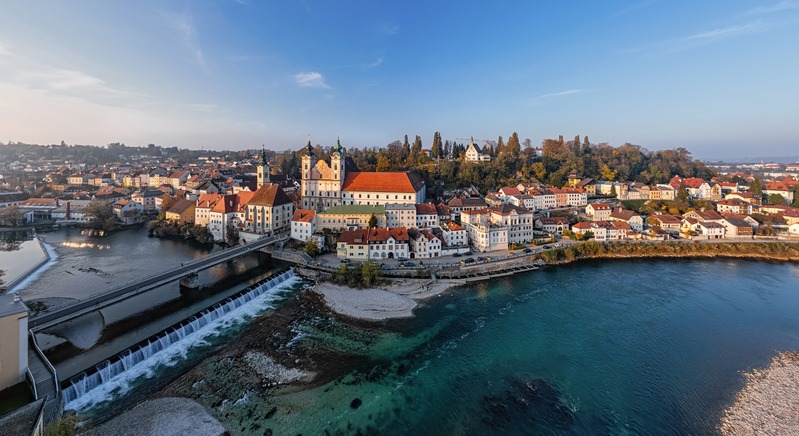
Steyr is a graceful Austrian town where two rivers meet. The town is known for its pastel façades and old trade houses. This hidden European town offers Austrian beauty without the overwhelming scale of Vienna or Salzburg.
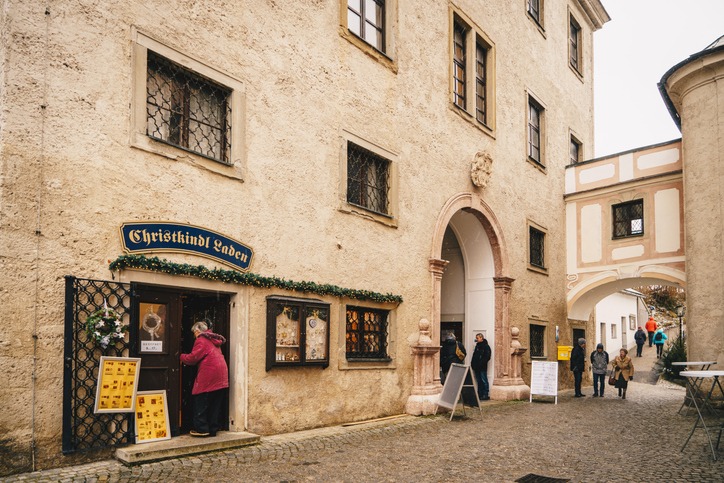
What to do in Steyr: Visit Museum Arbeitswelt, set in former factory buildings. In winter, the nearby village of Christkindl is also known for its Christmas post office tradition.
Spiez, Switzerland
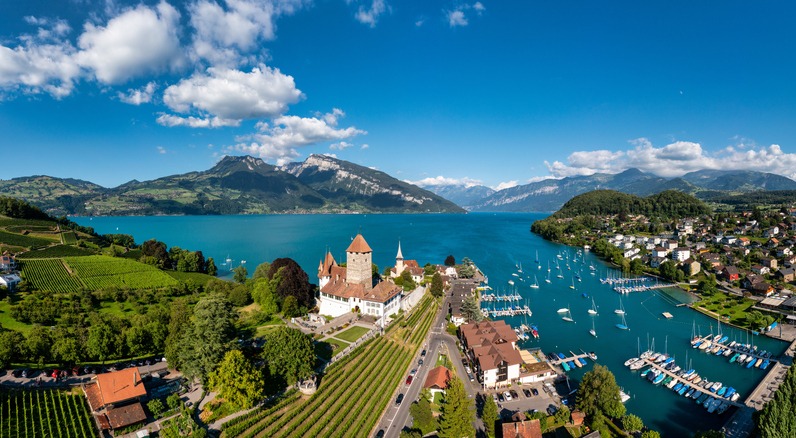
Spiez sits on Lake Thun, is surrounded by vineyards, and offers stunning views of the castle. This is a great Swiss base if you want amazing landscapes without the pace of the busier resorts.
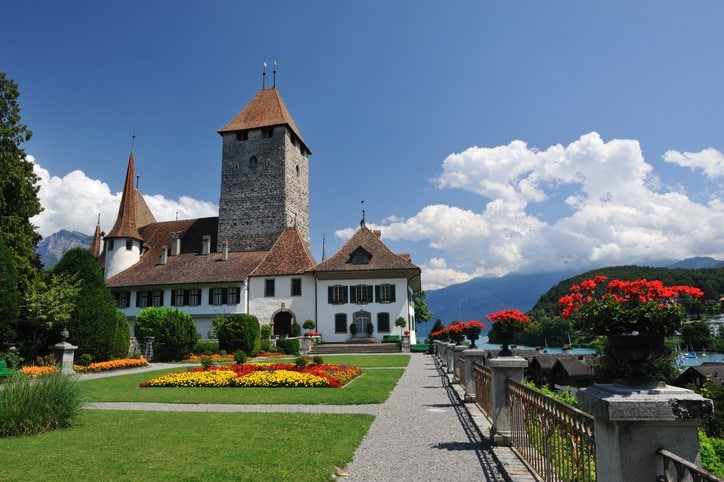
What to do in Spiez: Visit the Spiez Castle and don’t forget to try local Spiez wine from the lakeside vineyards.
Setenil de las Bodegas, Spain
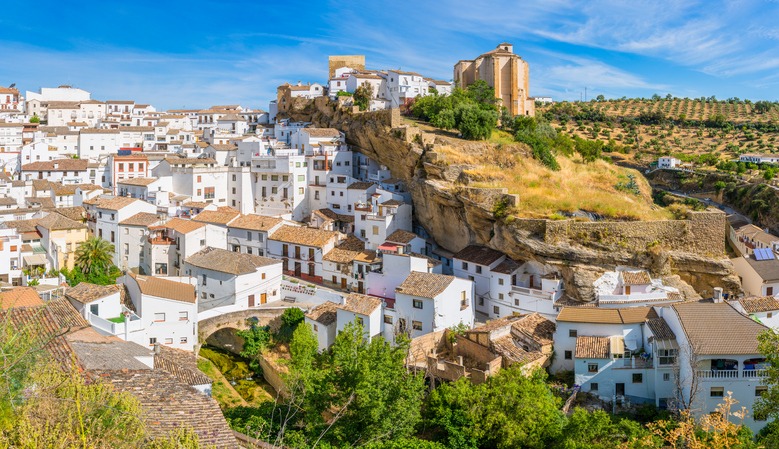
Setenil de las Bodegas is one of Andalusia’s most unusual white villages. The town is built into a gorge beneath huge rock overhangs. The town is quite small and strange in the most memorable way.
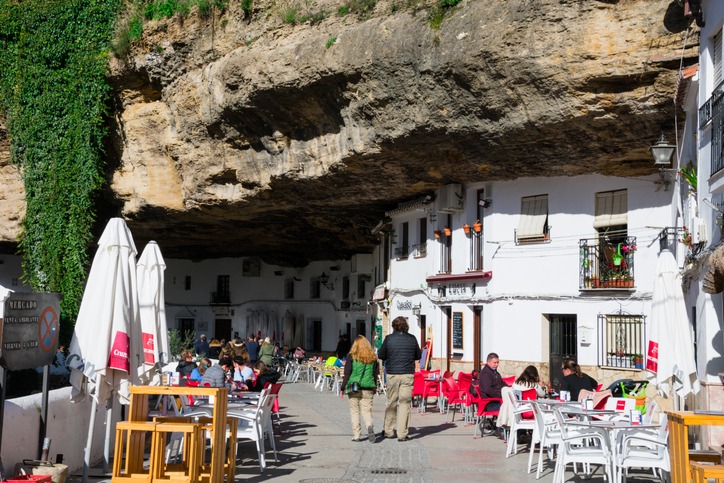
What to do in Setenil de las Bodegas: Eat Tapas in one of the cave restaurants tucked directly beneath the rock.
Read more: Tapas, Teatime & Traditions: A Culinary Road Trip Along Spain’s Hidden Routes
Saint-Ursanne, Switzerland
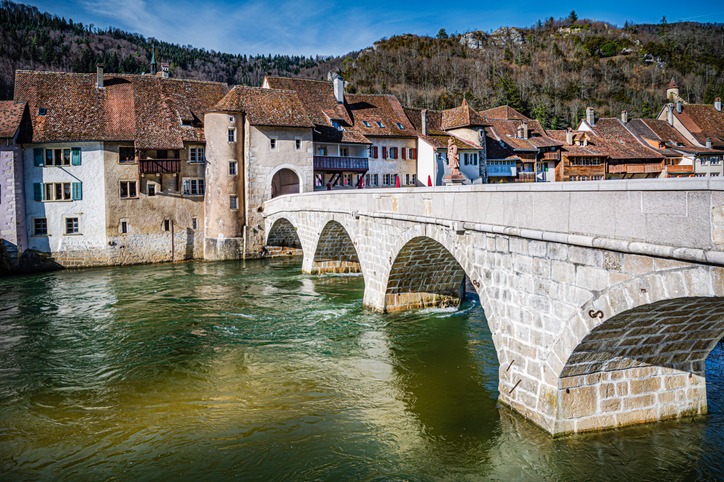
Saint-Ursanne, set along the Doubs River, is a quiet medieval town in Switzerland’s Jura region. It’s a small, atmospheric town and a great option if you are a slow traveler rather than a checklist traveler.
What to do in Saint-Ursanne: Visit the Musée lapidaire to see carved stonework and historic fragments. If you are comfortable with stairs, climb to the hermitage of St. Ursicinus.
Dingle, Ireland
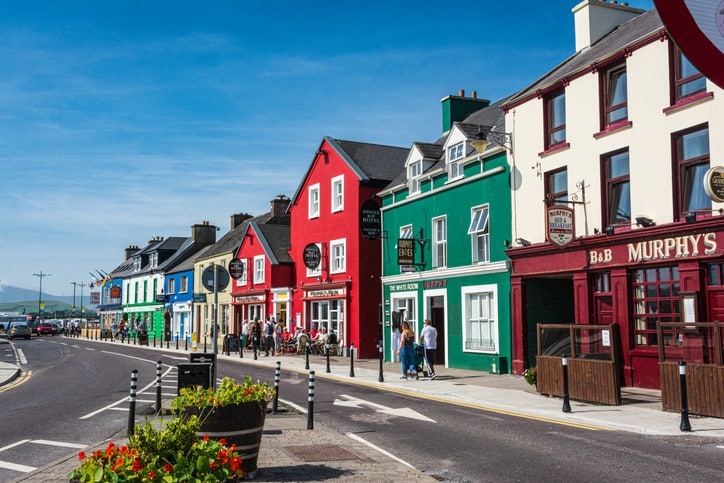
Dingle is colorful, musical, and full of personality. It has a harbor, traditional Irish pubs, and great seafood restaurants. This Irish town is far easier to settle into than Dublin.
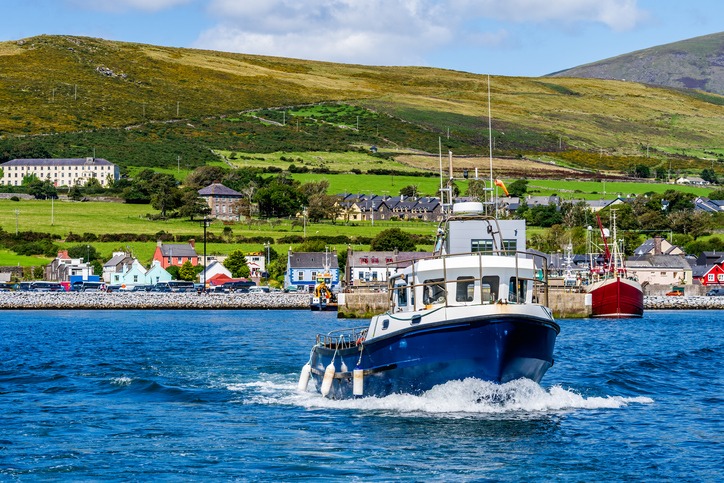
What to do in Dingle: Visit the Blasket Centre to learn about the language and island life of the Great Blasket Community.
Read more: Guided Tours of Ireland for Women Over 60: Stress-Free Ways to See the Emerald Isle
Tavira, Portugal
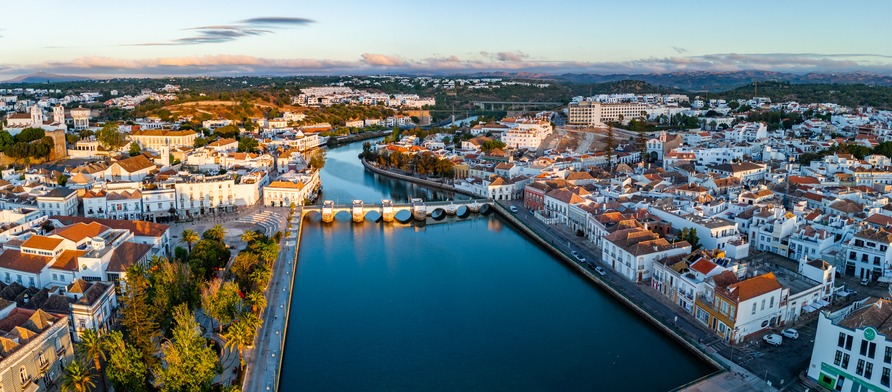
Tavira is a graceful town in the Eastern Algarve. It has the traditional Portuguese-tiled buildings and many churches. This small, hidden European town is quieter than the region’s busier resort towns. This is an amazing option for you if you enjoy food, nature, and a slower pace.

What to do in Tavira: Visit the salt pans near Ria Formosa to learn about hand-harvested flor de sal and watch for flamingos and other birds.
Sarlat-la-Canéda, France
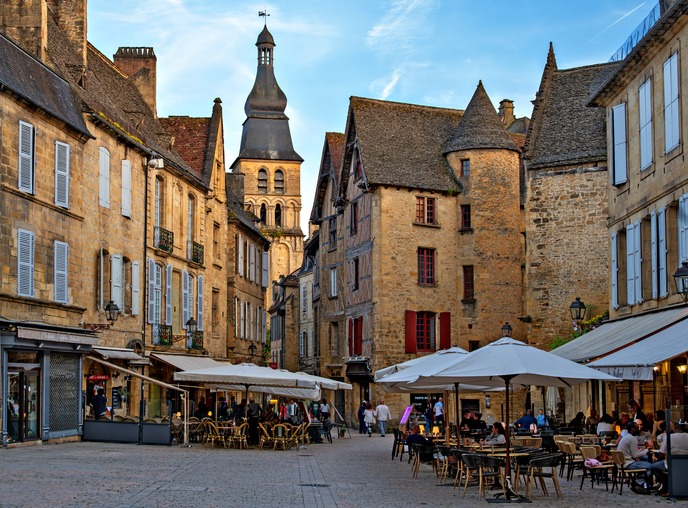
Sarlat-la-Canéda is a golden-stone town known for its medieval architecture and refined French cooking. You’ll get a deep French experience without the pressures of Paris.
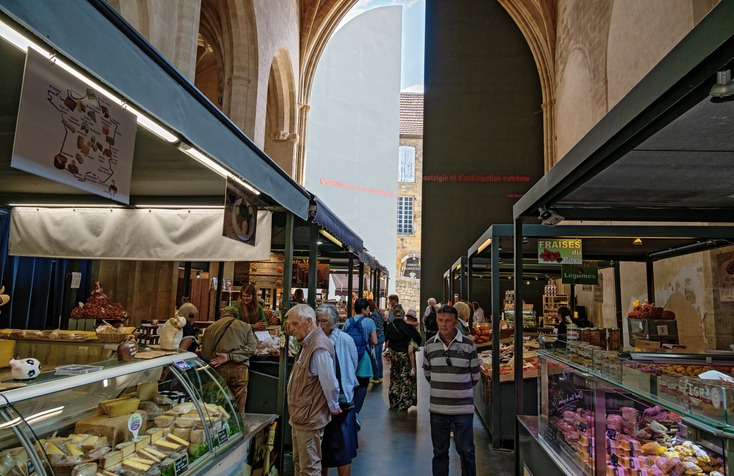
What to do in Sarlat-la-Canéda: This is an amazing destination for foodies. Get food-focused and go to the market for walnuts, duck, cheeses, and walnut wine. Visit the covered market inside the former Sainte-Marie church, redesigned by architect Jean Nouvel.
Haarlem, Netherlands
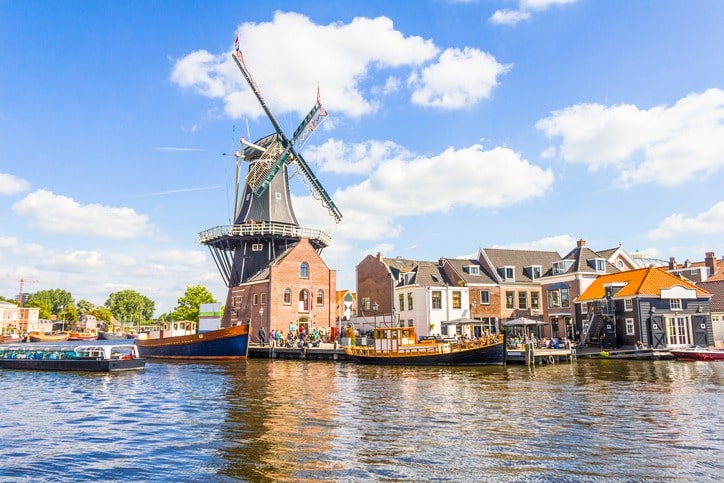
Haarlem is a cultured Dutch town with canals and a pretty central square. It is very close to Amsterdam but feels calmer and more manageable.
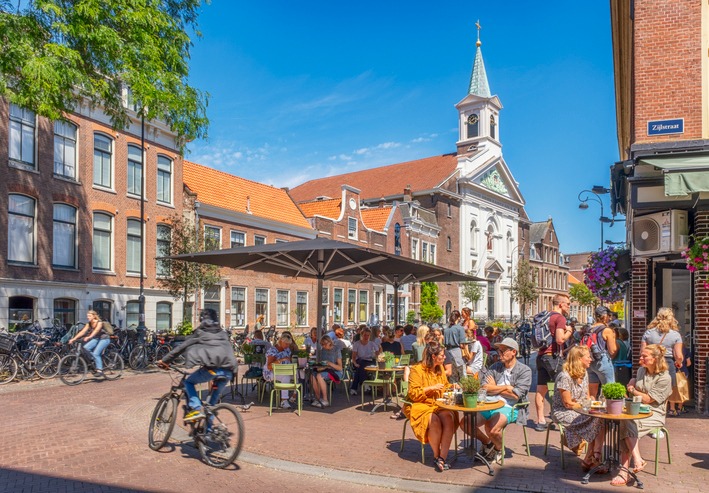
What to do in Haarlem: Visit the Frans Hals Museum for Dutch Golden Age art and the Corrie ten Boom House for a moving look at wartime resistance.
Lübeck, Germany
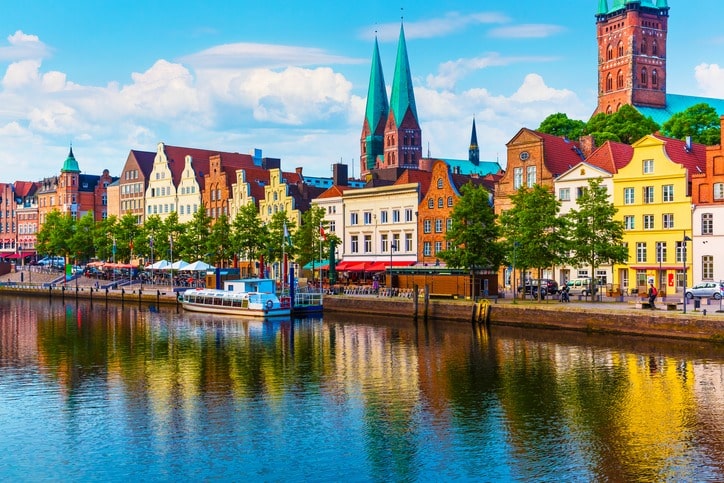
Lübeck is a Gothic town in northern Germany with old gates and hidden courtyards. It has a long Hanseatic trading history worth exploring. Lübeck’s old town is a UNESCO World Heritage Site.
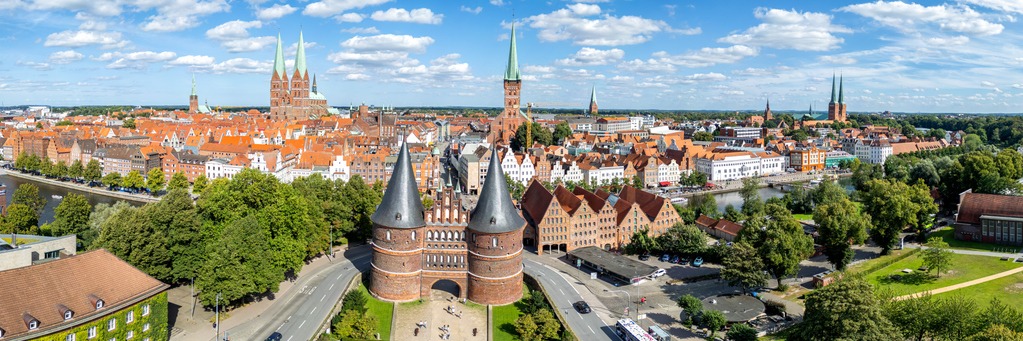
What to do in Lübeck: Visit the European Hansemuseum to understand the town’s merchant history. Go to Café Niederegger for marzipan and visit the small marzipan museum upstairs.
Český Krumlov, Czechia
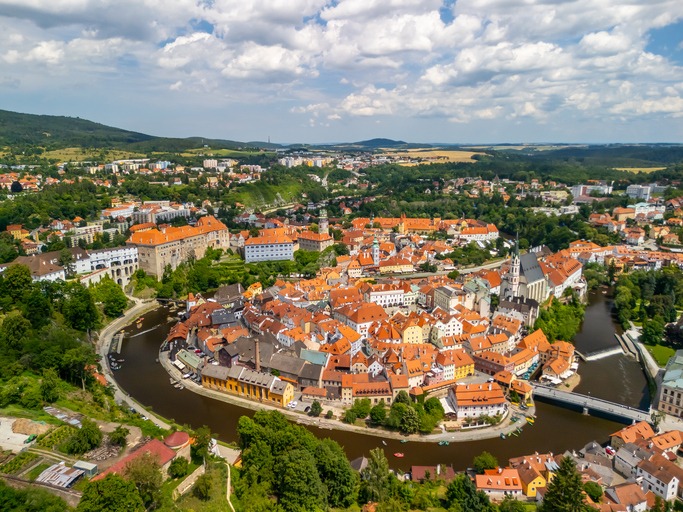
Český Krumlov is a small Czech town wrapped around the Vltava River. It features a grand castle, traditional red roofs, and magical courtyards. This hidden European town has a theatrical sense of place. It’s popular among travelers but is still easier to manage than Prague. The historic center of Český Krumlov is a UNESCO World Heritage Site.
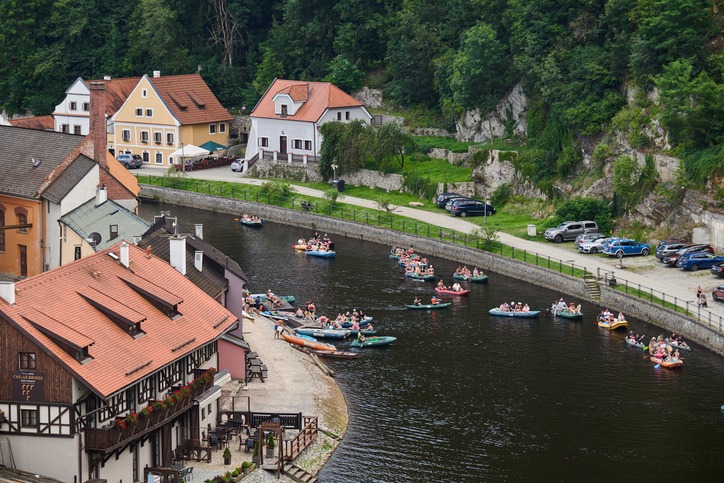
What to do in Český Krumlov: Visit the Egon Schiele Art Centrum, which is set in a former brewery. You can also book a raft trip on the Vltava for a unique view of the town.
Ptuj, Slovenia
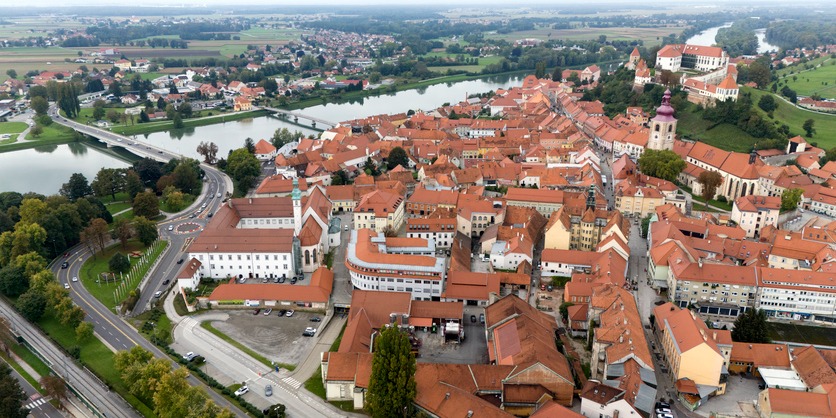
Ptuj is Slovenia’s oldest town. It has an impressive castle, medieval streets, and Roman traces. It also has a long-standing wine tradition and offers one of the country’s most distinctive carnival traditions.
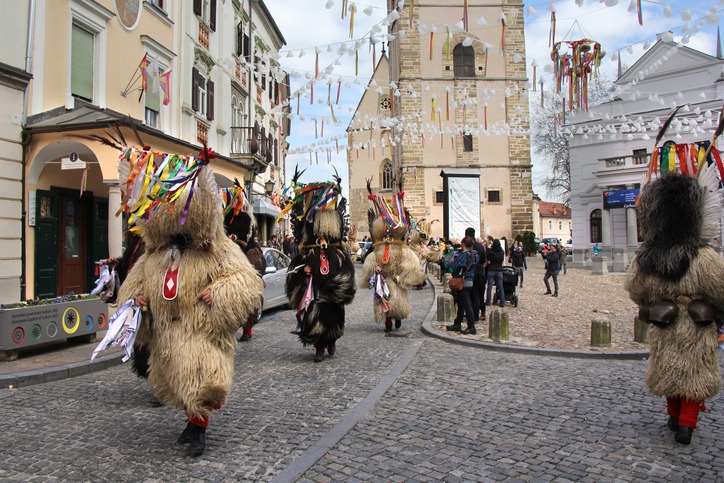
What to do in Ptuj: Visit Ptuj Castle to see collections of carnival masks, musical instruments, and discover the regional history.
Rovinj, Croatia
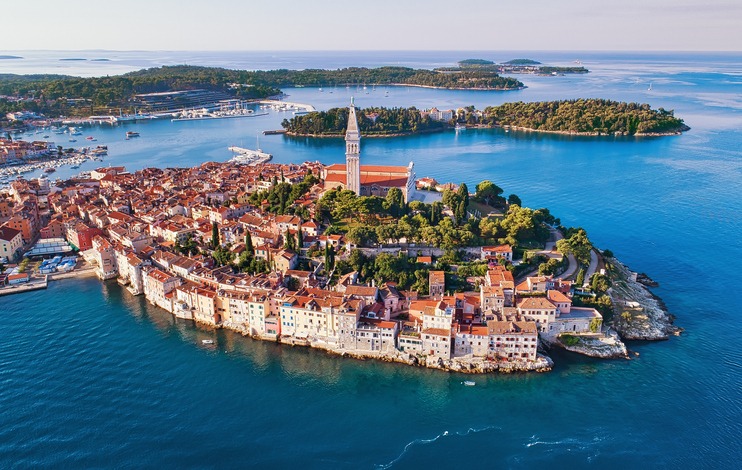
Rovinj is a compact coastal town with Venetian influences. It has a rich fishing tradition and a strong food scene. It’s a lot smaller and less hectic than the larger, famous Dubrovnik, but it still has plenty to see and do.
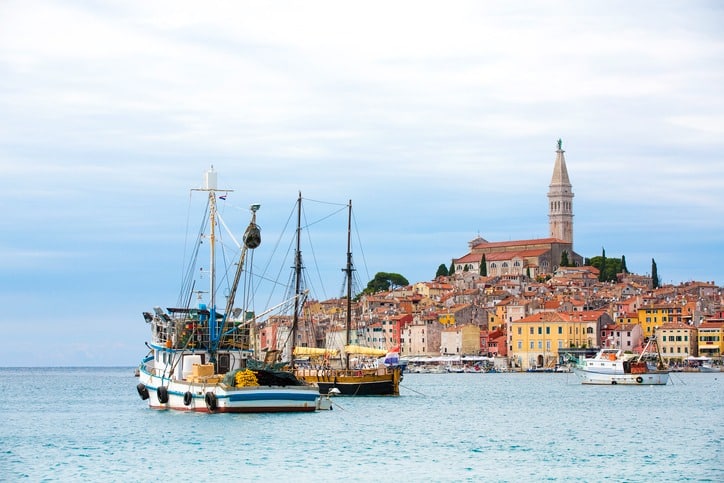
What to do in Rovinj: Visit the Batana Eco-Museum to learn about Rovinj’s traditional flat-bottomed fishing boats. If you’re feeling up for a splurge, book one of Rovinj’s Michelin-recognized restaurants (Monte or Agli Amici Rovinj).
Nafplio, Greece
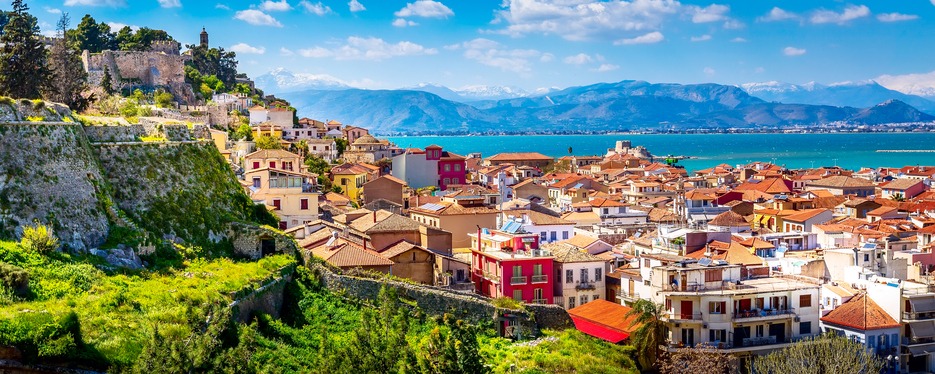
Nafplio is a seaside town in Greece with Venetian fortresses and neoclassical buildings. It has plenty of museums, cafés, and beautiful views across the bay. This is a great alternative to the busy city of Athens.
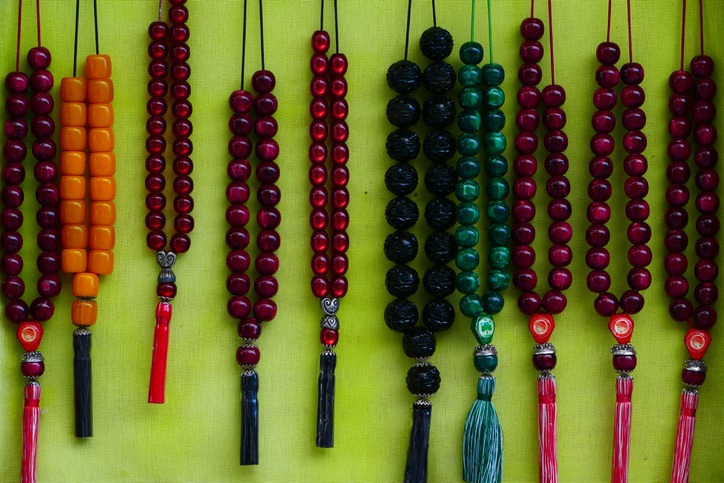
What to do in Nafplio: Visit the Archaeological Museum of Nafplio and take a day trip to Epidaurus to see the ancient theater. For a more unusual local activity, look for Komboloi, Greek worry beads. They can be found in small shops or at the Komboloi Museum.
Read more: Historical Journeys – 17 Ancient Sites and Landmarks in Europe and the U.S.
Let’s Have a Conversation:
Do you prefer visiting small towns or traveling to big, famous cities in Europe? Have you been to one of these hidden European towns? Will you put one (or more) of these small towns on your travel bucket list? Tell us about it in the comments below.


