



10 Best Off-Season Destinations for Mature Travelers
Traveling during the off-season can be a great way to see the world after 50. You may find lower hotel rates, fewer crowds, shorter lines at major attractions, and a more relaxed pace.
The trade-off is that you may encounter unpredictable weather and seasonal closures. Also, fewer direct flights may be available to certain destinations. But if you choose your destination carefully, those drawbacks can be minor compared with the benefits.
What IS Off-Season Travel?
Off-season travel means visiting a destination during the time of year when it receives the fewest tourists.
The exact months vary depending on where you are going. In much of Europe, for example, winter is generally considered the off-season, particularly from November through March, excluding Christmas and New Year’s. In tropical destinations, the quieter period may coincide with the rainy season. In other parts of the world, extremely hot weather can cause tourism numbers to drop and become the off-season.
Off-season does not necessarily mean that a destination shuts down. Major cities such as Lisbon, Madrid, Tokyo, and Mexico City remain active throughout the year. Hotels, museums, restaurants, public transportation, and cultural attractions continue operating, but visitor numbers may be considerably lower.
Resort destinations in small coastal towns can be different. Restaurants, ferries, tours, or hotels may operate on a reduced schedule or close entirely during their quietest months.
That’s why a little research matters. The best off-season trips combine lower visitor numbers with enough open restaurants and attractions to make the trip enjoyable.
What’s the Difference Between Off-Season Travel and Shoulder Season Travel?
Off-season and shoulder season are often used interchangeably, but they are not quite the same.
Shoulder season falls in between the busiest and quietest travel periods; think April and May or September and October in many European destinations. The weather can still be very pleasant, attractions are generally open, and crowds are lighter than they are in summer (high season).
Off-season is the least popular travel period. Prices may be lower and crowds considerably smaller, but the weather can be less predictable, and some tourism services may operate on limited schedules.
Shoulder season is often an easier compromise if weather is important to you. Off-season can offer greater savings and an even quieter experience if you are comfortable packing a raincoat, wearing an extra layer, or occasionally changing your plans because of the weather.
Why Travel Off-Season?
There are plenty of reasons to consider traveling outside the busiest months.
You Can Save Money
Hotels and vacation rentals often cost less outside peak periods. Airfare can also be more competitive, so look for bargains and deals on flights.
There Are Fewer Crowds
Popular museums, historic sites, and restaurants can be much easier to enjoy when you’re not competing with thousands of other visitors.
The Pace Is More Relaxed and Authentic
You may have more time to sit for lunch or dinner without feeling rushed. I feel that when I visit a destination off-season without the tourist crowds, I tend to get a more authentic experience. There’s less “tourist fluff” and more genuine encounters with locals.
10 Best Off-Season Destinations
Lisbon and Central Portugal
Best off-season months: November through March
Lisbon and Central Portugal are good choices if you want a European trip without summer crowds or summer prices.
Lisbon stays active year-round, so you won’t have the problem of arriving to find half the restaurants and attractions closed. Museums, cafés, markets, historic neighborhoods, and public transportation continue operating throughout winter.

The cooler temperatures can also make sightseeing more comfortable, especially if you plan to spend a lot of time walking. Day trips to Sintra, Évora, or smaller towns in central Portugal are easier without peak season traffic and tour groups.
The main drawback is rain. Winter can be wet and occasionally windy, particularly farther north, but if your trip is centered around food, culture, architecture, and city sightseeing rather than beaches, that may be a reasonable trade-off.
Mexico City and Central Mexico
Best off-season months: May through September
Mexico City and much of central Mexico can be great during the summer rainy season, when international visitor numbers are often lower.
Yes, it rains. But in many cases, mornings are clear or partly cloudy, with showers arriving later in the afternoon. That makes it possible to plan outdoor sightseeing early and save museums, galleries, shopping, or long lunches for later in the day.

Mexico City has so much indoor culture that bad weather rarely ruins an entire day. The National Museum of Anthropology, Palacio de Bellas Artes, Frida Kahlo Museum, and countless smaller museums provide plenty of options.
You can also combine the capital visit with nearby cities such as Puebla, San Miguel de Allende, Guanajuato, or Querétaro.
Read more: 14 Must-Visit Museums Across the World.
Arenal and Costa Rica Central Highlands
Best off-season months: May through November
Costa Rica’s rainy season is also known as the green season, and it can be a surprisingly good time to visit areas such as Arenal and the central highlands.
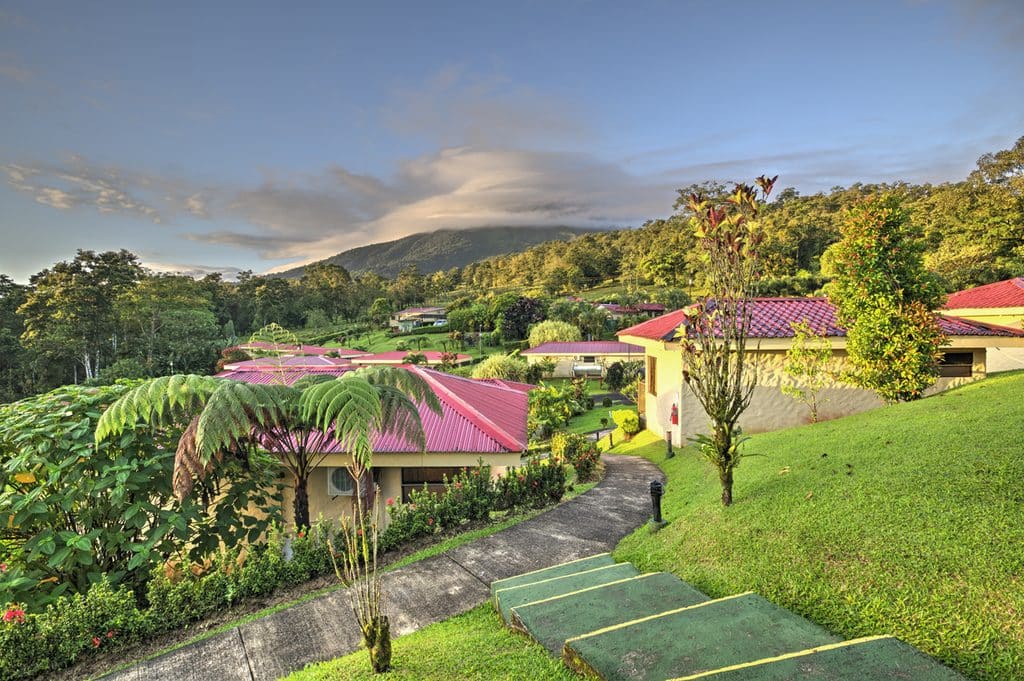
The landscape becomes incredibly lush, and waterfalls are full. Visitor numbers tend to drop compared with the dryer winter months. Rain doesn’t necessarily mean all-day rain. Mornings can be relatively clear, while showers are more common later in the day. This works well if you don’t mind getting up early for wildlife tours, nature walks, or hot springs.
Arenal is particularly suitable because there are plenty of activities that don’t depend on perfect beach weather. Hot springs, spas, wildlife viewing, and shorter forest walks can all work well during the wetter months.
Athens and Mainland Greece
Best off-season months: November through March
If your idea of Greece is Santorini in July, winter Greece may come as a surprise. Athens can be an excellent off-season destination because its museums, archaeological sites, restaurants, and neighborhoods remain open throughout the year. You can see the Acropolis without extreme summer heat and without fighting your way through enormous crowds.

The cooler months are also well suited to exploring places such as Nafplio, Delphi, and Thessaloniki. Obviously, this is not the best season for a traditional Greek island vacation. Many island hotels and restaurants close for winter, and ferry schedules may be reduced.
But if you are more interested in archaeology, history, Greek food, and everyday city life than lounging on a beach, winter can be one of the most enjoyable times to visit Athens.
Marrakesh and Essaouira, Morocco
Best off-season months: December through February
Winter is a good time to explore parts of Morocco without the intense heat that can make sightseeing tiring during warmer months. Marrakesh remains lively throughout winter, and cooler temperatures can make it easier to wander through the Medina and spend time in markets.
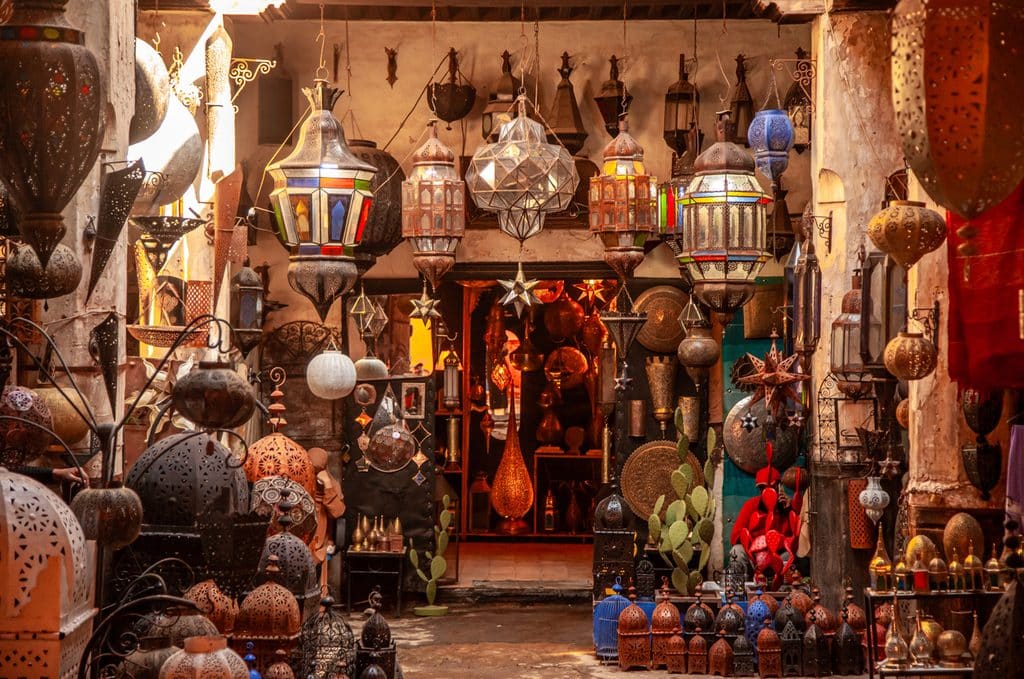
Essaouira makes a good second stop. The coastal city is cooler and more relaxed than Marrakesh. You will still see tourists, but crowds are generally lighter than during the busiest spring and autumn periods.
One thing that surprises many visitors is how chilly Morocco can feel after sunset. Traditional buildings are not always well heated, and temperatures can drop significantly at night.
Tokyo and Kyoto, Japan
Best off-season months: January and February
Japan becomes extremely busy during cherry blossom season and again during peak autumn foliage. January and February offer a very different experience.
Tokyo remains fully active, with museums, restaurants, shops, markets, and neighborhoods operating as usual. Kyoto can feel particularly different without the enormous crowds that fill its temples and historic streets during spring and autumn.

Winter temperatures are cool, but sightseeing can be comfortable if you dress properly. Clear winter days can also make for beautiful views. This is a good time to visit Japan for city sightseeing and an onsen (hot spring) stay.
You may also find better hotel availability than during Japan’s biggest tourism seasons.
Cape Town and Cape Winelands, South Africa
Best off-season months: May through August
Cape Town’s busiest tourism season falls during the southern hemisphere summer. Visit during the cooler months, and you may find lower accommodation prices and noticeably fewer visitors.

Winter in Cape Town is cooler and wetter, but there are still plenty of clear days. This can be an excellent season to visit the Cape Winelands. Stellenbosch and Franschhoek are less crowded, and cooler weather makes long lunches and wine tastings particularly easygoing.
Whale watching season also begins during the cooler part of the year along sections of the Western Cape coast.
The biggest downside is weather variability. Rain and wind can occasionally interfere with outdoor plans, including trips up Table Mountain.
Auckland and New Zealand’s North Island
Best off-season months: May through September
New Zealand’s North Island can be a good off-season choice if you prefer sightseeing, road trips, food, and culture over serious hiking.
Auckland remains active year-round while destinations such as Rotorua, Wellington, and the wine regions offer plenty to do even when temperatures cool.
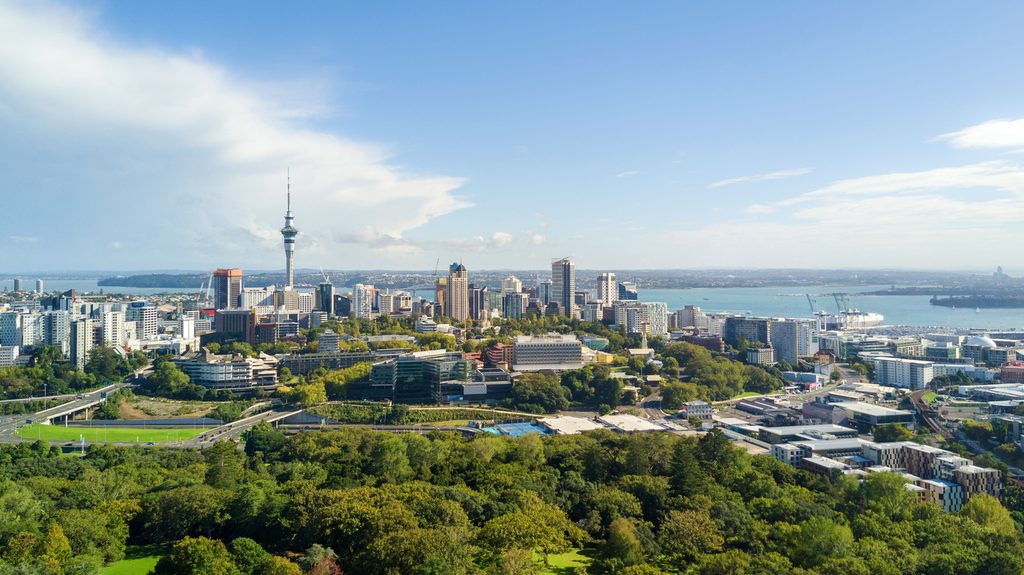
You will generally encounter fewer international tourists than during the busy December through February summer period. The North Island is also a little easier to manage in winter than areas of the mountainous South Island, where snow and ice can affect roads and hiking routes.
You can still enjoy the beautiful coastal scenery, geothermal areas, wineries, and small towns without needing perfect summer weather.
Andalusia, Spain
Best off-season months: November through February
Andalusia is one of my favorite choices for a European winter trip. Summer temperatures in southern Spain can be brutally hot, particularly in Seville and Cordoba. Winter completely changes the experience.

You can comfortably walk through historic centers, visit the Alhambra in Granada, tour the Mezquita in Cordoba, and explore Seville without planning your day around trying to avoid the extreme summer heat.
Everything remains open, and hotel prices can be more reasonable outside holidays and festivals. You may get cool or rainy days, but temperatures are generally milder than in much of northern Europe. This region is also great for traveling by train.
Hanoi and Northern Vietnam
Best off-season months: May through September
Northern Vietnam receives fewer visitors during parts of the hot, rainy summer season, which can make Hanoi and surrounding destinations noticeably quieter. The trade-off is heat, humidity, and frequent rain.

For travelers who can tolerate tropical weather, however, there are advantages. Hotels can offer better value, major attractions may feel less crowded, and you can experience the city at a slower pace.
You can also use Hanoi as a base for shorter trips into northern Vietnam, although mountain and rural travel requires more caution during periods of heavy rain.
Vietnam’s climate varies considerably from north to south, so it’s important not to treat the entire country as one weather zone.
Read more: Undiscovered Vietnam: Beauty, Kindness, and the Trip of a Lifetime.
What to Look for When Choosing an Off-Season Destination
Not every destination works well during its off-season. Before booking, consider a few practical details.
Check the Weather
This is one of the most important things to check when choosing an off-season destination. “Off-season” can mean pleasantly cool weather in one destination and extreme heat or heavy rain in another.
Look at What’s Open
Some smaller hotels, restaurants, attractions, and tour companies sometimes close during their quietest months.
Consider Daylight Hours
Shorter winter days can affect sightseeing, particularly if you’re planning outdoor activities.
Think About Your Priorities
Saving money and avoiding crowds is nice, but if swimming in the ocean matters to you, don’t choose a destination during its coolest months, when you may not be able to get in the water.
Look Beyond the Price
A cheap room isn’t necessarily a bargain if half the restaurants and attractions you wanted to visit are closed and the weather makes you miserable.
The Pros and Cons of Traveling Off-Season Over 50
Off-season travel can be a great fit for mature travelers, but it isn’t perfect for every trip.
Pros:
- Lower Hotel rates and sometimes airfare prices.
- Fewer tourists and shorter lines.
- A slower, more relaxed pace.
- More availability at popular restaurants and attractions.
- Better opportunities to interact authentically with locals.
Cons:
- Unpredictable and less favorable weather.
- Shorter daylight hours in some destinations.
- Seasonal attraction and restaurant closures.
- Fewer flights or transportation options.
- Some outdoor activities may not be available.
The key is to choose your timing based on what you want to do, rather than simply choosing the cheapest month. If you love museums, food, and history, a European city in November might be perfect for you. If you’re dreaming of long days on the beach, however, paying a little more for shoulder season may make more sense.
For us travelers over 50, there’s a real appeal of off-season travel. We can spend less, see more, and experience a destination at a comfortable pace.
Read more: Why Autumn 2026 Is the Perfect Time to Rediscover Europe’s Smaller Cities.
Important: Always check your country’s travel advisories before planning a trip.
Let’s Have a Conversation:
Have you ever traveled during the off-season? Which destination would you most like to visit outside its peak travel months? Do you prefer saving money and avoiding crowds, even if the weather isn’t perfect? Tell us about it in the comments below.


