What the Happiest Retirees Have in Common (It’s Not Money)
Retirement today can last 25 or 30 years. That’s a whole second adulthood, and much of it can be healthy and full. Yet some people flourish in it, while others watch their world slowly shrink. The difference rarely comes down to the size of the nest egg.
I see this up close. My work is helping older adults and their families, usually right when walking or balance starts to change. The people who thrive tend to share a handful of habits, and the research backs them up.
They Stay Close to People
The Harvard Study of Adult Development has followed the same group of men, and later their families, since 1938. Its directors say the clearest lesson is that good relationships keep us happier and healthier as we age. How satisfied people were with their relationships at 50 predicted their health at 80 better than their cholesterol did.
Work used to hand us company without any effort. Retirement asks us to build it on purpose. Happy retirees keep standing plans: Tuesday breakfast with old colleagues, a walking group, a Sunday call with a sister, a monthly card night. The U.S. Surgeon General’s 2023 advisory on loneliness linked isolation to higher risks of heart disease, stroke and dementia.
Try this: put people on your calendar the way you once put meetings there.
They Have Something to Get Up for
A 2019 study of nearly 7,000 adults over 50 found that people with the weakest sense of purpose were more than twice as likely to die during the study period as those with the strongest.
Purpose doesn’t have to be grand. It can be volunteering at a food bank, mentoring someone in your old field, picking up a grandchild from school, or keeping a garden the neighbors admire. What matters is that someone is counting on you, or something is better because you showed up.
They Keep Moving, on Purpose
Federal guidelines for older adults call for about 150 minutes a week of moderate activity, like brisk walking, plus strength work at least two days a week and balance exercises. Split into 20 or 30 minutes a day, it’s very doable.
Strength and balance are the parts most of us skip, and they’re the ones that protect independence. Leg strength is what gets you out of a low chair, up the stairs and steady again after a stumble. Tai chi, water aerobics or a senior fitness class covers all of it and throws in new friends for free. If your balance already feels shaky, choosing the right walker or rollator means you can keep up the daily walks while you rebuild it.
They Keep Learning
A class, a language, an instrument, even a tricky new card game keeps the mind busy and brings new faces into your week. Community colleges often offer free or discounted classes for older adults, and libraries run more programs than you’d guess.
They Adapt Instead of Quitting
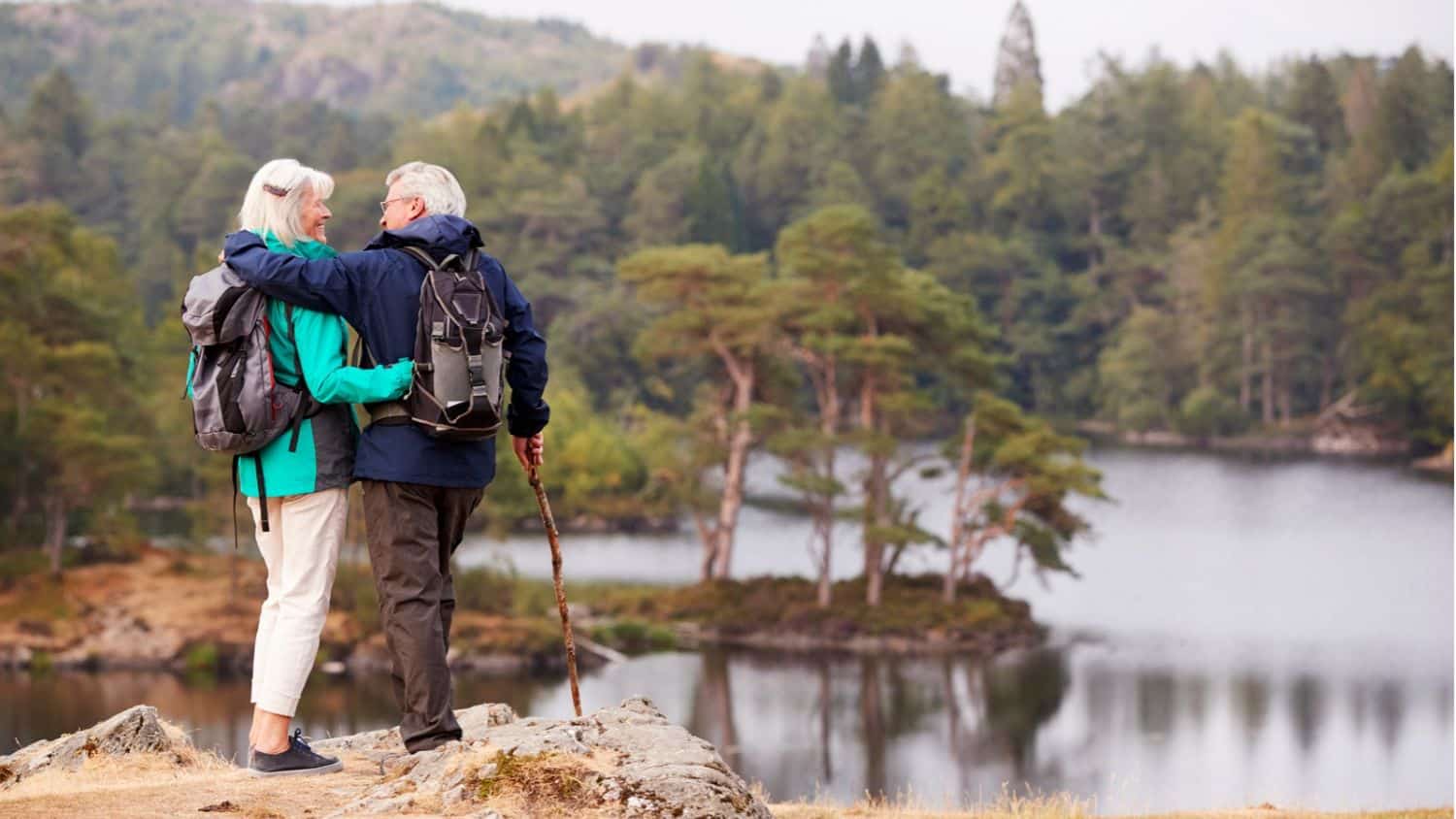
The happiest older adults aren’t the ones who never have health problems. They’re the ones who adjust and keep going. A bad knee means trading the tennis court for the pool. Unsteady on uneven ground means bringing a cane on the trail, and the hikes continue.
In my work I hear the same sentence all the time: “I’m not ready for that yet.” I understand. Nobody wants to feel old. But saying no to a walker usually means walking less, going out less and losing strength faster. Most common senior mobility challenges have simple, practical fixes, and today’s equipment is lighter and better designed than people expect.
When long distances get hard, plenty of active retirees keep a lightweight folding wheelchair in the trunk for museums, airports and outdoor markets. Using one isn’t giving up. It’s deciding you’re still going.
They Set Up Their Homes Before They Have To
About one in four adults 65 and older reports a fall each year, according to the CDC. Thriving retirees get ahead of it: grab bars by the tub and toilet, brighter lights on the stairs, a night light between the bedroom and bathroom, fewer throw rugs. Done in your 60s, these are a weekend project. Done after a fall, they’re an emergency.
The Real Secret
None of this takes a big budget. Stay close to people. Find something that matters to you. Move every day, with strength and balance in the mix. Keep learning. And when your body changes, adapt, and use whatever helps you keep doing what you love.
The people who get the most out of retirement plan for it the way they once planned a career: with intention, a little flexibility and plenty of good company. So start small this week. Call the friend you keep meaning to call.
Let’s Have a Conversation:
Which of these habits comes most naturally to you, and which one would you like to work on this year? What has made the biggest difference in your own retirement so far? Please share your experience in the comments below.