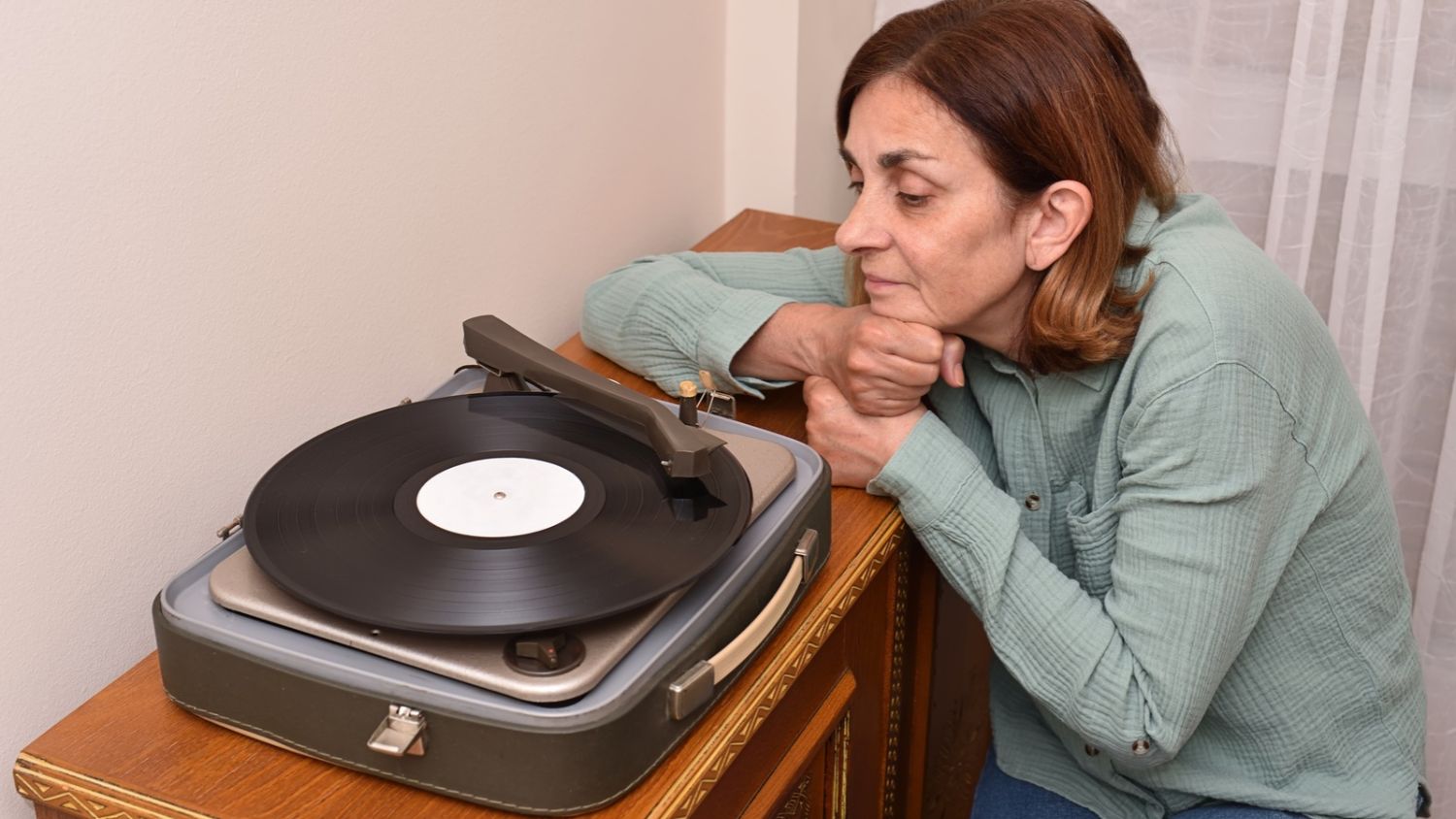
The Double-Edged Sword of Nostalgia: What Have We Lost Along the Way?
I was driving to work at the funeral home the other day, listening to SiriusXM, as I often do. My usual choices are the music of the 70s and 80s, occasionally venturing into the 60s. Nothing particularly unusual about that. I’ve always loved the music, and it brings back plenty of memories.
Missing the Old Days
But something happened that I wasn’t expecting. I found myself overcome with emotion. Not because I was getting older. We all are. Not because a particular song reminded me of a long-lost love or some romantic chapter of my life. It was something else entirely.
I was sad because I missed those days. Not necessarily my youth, but something about the way we lived. Something about the world we inhabited that I fear we’ve lost.
And I began thinking about nostalgia, that curious, sometimes comforting, sometimes painful longing for a time gone by. It’s a double-edged sword. It can bring a smile to your face, but it can also leave you mourning something you may not have fully appreciated while you were living it.
I Don’t Believe the Past Was Perfect
The past was far from perfect. We had our problems, our disappointments, our social injustices, and plenty of things that needed changing. I’m not interested in pretending otherwise. But I do wonder whether, in our rush to embrace everything new, we’ve surrendered some things that made everyday life a little more human.
Remember going on a date? You sat across from someone at a restaurant, and you were actually there. You weren’t checking your phone under the table, responding to a text, scrolling through social media, or worrying about who might be trying to reach you. You had the opportunity to look at the person across from you, listen, observe, flirt, laugh, and perhaps discover something about them. You were present.
The same was true of an evening with friends, a family gathering, or even a simple conversation with a stranger. We weren’t constantly interrupted by the outside world. We could unplug because there was nothing demanding that we remain plugged in.
There was a certain freedom in being unavailable. Imagine that.
The Digital Age Is Completely Different
Today, we carry the world in our pockets, and apparently the world expects us to answer for it. We are reachable practically every waking minute. And if you work in an industry that requires an online presence, as so many of us do, the pressure to remain visible can feel relentless. Post something. Comment. Engage. Promote. Remind people you’re still here. Even the business of simply living has become another opportunity to produce content.
When did we become so obligated to document our lives instead of simply living them?
I’ve also noticed something about my own relationship with social media. Over the years, I’ve followed various influencers in beauty, lifestyle, fashion, and shopping. Initially, I found some of them interesting. I enjoyed their recommendations, their perspectives, and occasionally discovered something worthwhile.
But Lately, I’ve Found Myself Increasingly Bored
The content hasn’t necessarily changed. That’s perhaps the problem. It’s still the same endless parade of “a day in my life,” product recommendations, shopping hauls, beauty routines, home updates, and carefully curated glimpses into otherwise ordinary days. And I find myself asking: Is this really what we’ve come to consider interesting?
I don’t begrudge anyone making a living this way. Clearly, there’s an audience for it. But I find myself yearning for something more. Interesting people with interesting ideas. People who have accomplished something noteworthy, who have experiences to share, who challenge the way we think or introduce us to something we might never have considered.
Instead, we’ve become voyeurs of the mundane, spending an extraordinary amount of time watching other people do remarkably ordinary things.
Missing the Substance, the Relationships, the Human Side of It All
And perhaps this, too, is part of what I was feeling on that drive. We’ve become so accustomed to consuming content that we’ve lost some of our appetite for substance. We have endless access to other people’s lives, but how much of what we’re consuming actually enriches our own?
And it’s not just our personal relationships. Think about the little conveniences we’ve gained and the human interactions we’ve lost along the way. Need help with a problem? Visit the website. Have a question about a bill? Navigate the automated system. Want to speak with someone in customer service? Good luck. You may eventually find yourself longing for the days when a human being actually answered the telephone.
Then There’s Anticipation
I also find myself missing anticipation. We waited for movies to arrive in theaters. We looked forward to the next installment of our favorite television series. We talked about what happened last week and speculated about what might happen next. We waited for an album to be released, bought it, brought it home, and listened to it. There was pleasure in looking forward to something.
Now we can stream an entire television series in a weekend. Virtually every movie, song, and form of entertainment is available at the touch of a button. It’s convenient, certainly. But I wonder whether we’ve sacrificed some of the pleasure of waiting for the sake of having everything immediately.
Perhaps the anticipation was part of the experience.
Acknowledging What We’ve Gained and Lost
And maybe that’s what I was feeling as I drove along, listening to those old songs. It wasn’t simply a longing for a younger version of myself. It was a longing for a time when life seemed to have more breathing room. When we weren’t expected to be accessible, productive, entertained, informed, and visible every minute of the day.
I realize that some of this may sound like the familiar complaints of someone looking backward. The old days were better. People were nicer. Life was simpler. I don’t buy all of that, and I certainly don’t want to romanticize a past that had plenty of its own shortcomings.
Technology has given us extraordinary opportunities. It connects families across continents, provides access to information, and makes many aspects of daily life easier. I wouldn’t necessarily trade all of that away.
But I do think we’re entitled to question the price we’ve paid.
Have we become so accustomed to constant stimulation that silence makes us uncomfortable? Have we forgotten how to sit with another person without dividing our attention? Have we confused being connected with being available, and being available with being present?
I Don’t Know What I’m Really Longing For
I don’t have answers to all of these questions. But I do know that I miss something I can’t quite put my finger on. And perhaps that’s the most frustrating part of nostalgia. Sometimes you aren’t longing for a particular place, person, or moment. You’re longing for a feeling.
Maybe we can’t turn back the clock, but we can put down our phones, stop documenting every experience, allow ourselves to be unreachable occasionally, and give the people sitting across from us the courtesy of our undivided attention.
We might even try waiting for something again.
Because sometimes the things we miss most aren’t the things we lost with age. They’re the things we lost while we were busy moving forward.
Your Thoughts:
Do you feel nostalgic sometimes? Have you analysed exactly what it is that you’re longing for? Is it a place, a person or a feeling? What do you miss from those long gone days? If you could, which year would you return to?
Tags Nostalgia