


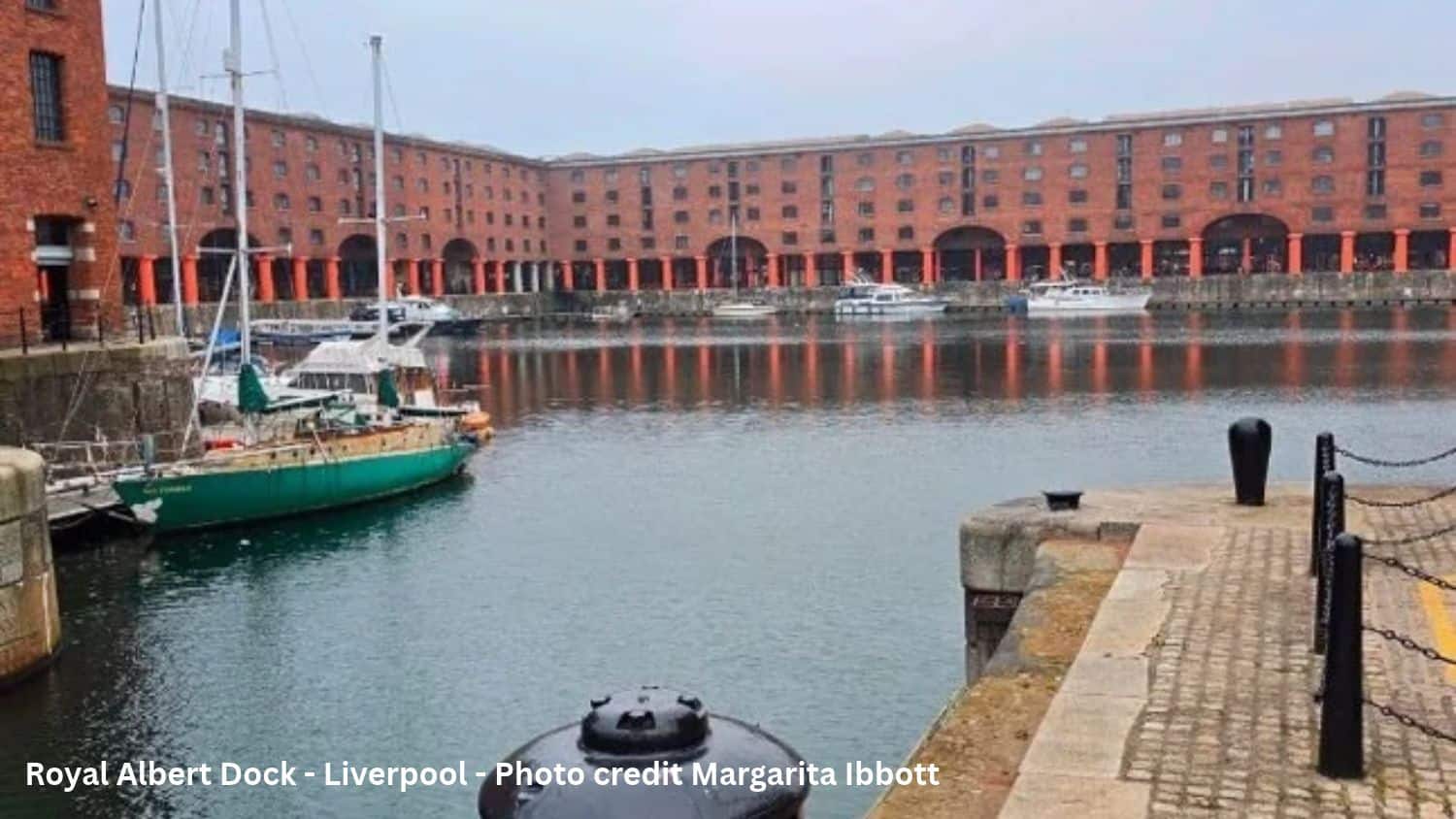
Liverpool Was Never Just About the Beatles
We went to Liverpool for a football match, but it turned out to be so much more. My husband had wanted to see Liverpool Football Club play at Anfield for years, and when we began planning a three-week trip around Great Britain for his 60th birthday, the Liverpool vs. Arsenal game became the fixed point around which everything else was arranged. Trains, hotels, museums, dinners, even the route home: all planned with Anfield in mind.
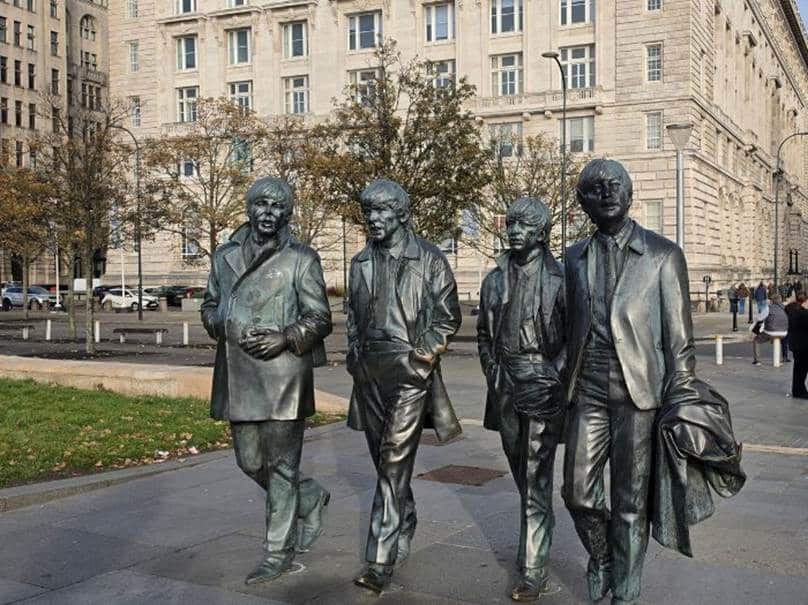
Liverpool, of course, had other plans. It wanted to show me why it was a UNESCO City of Music – and why we needed to see more than a football stadium. You cannot spend three days in this historic maritime city without encountering the Beatles (and their legacy). They were in the street names, the museums, the waterfront, and the songs that have been part of our lives for decades. We had not come for a Beatles pilgrimage, but Liverpool made it impossible to ignore one.
A Hotel by the Dock
We arrived at the Liverpool Lime Street station on a train from Glasgow just after noon on a Friday in late October. From there, it was a short Black Cab ride to the Titanic Hotel Liverpool in the Stanley Docks area, north of the city centre. The Titanic Hotel – Liverpool is an easy cab, Uber, or bus ride into the city centre, with a good restaurant, lively bar, and excellent spa.
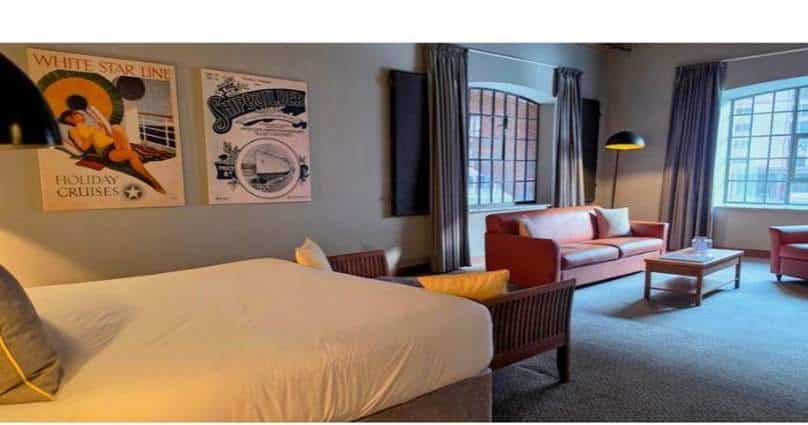
The hotel occupies part of a vast historic warehouse complex, and it was substantial: red brick, steel, high ceilings, and the feeling you were sleeping in the city’s working past rather than beside it. Sleek and modern, this was the largest ‘superior’ suite I’d stayed in. It felt like the room was bigger than my first apartment in Montreal.
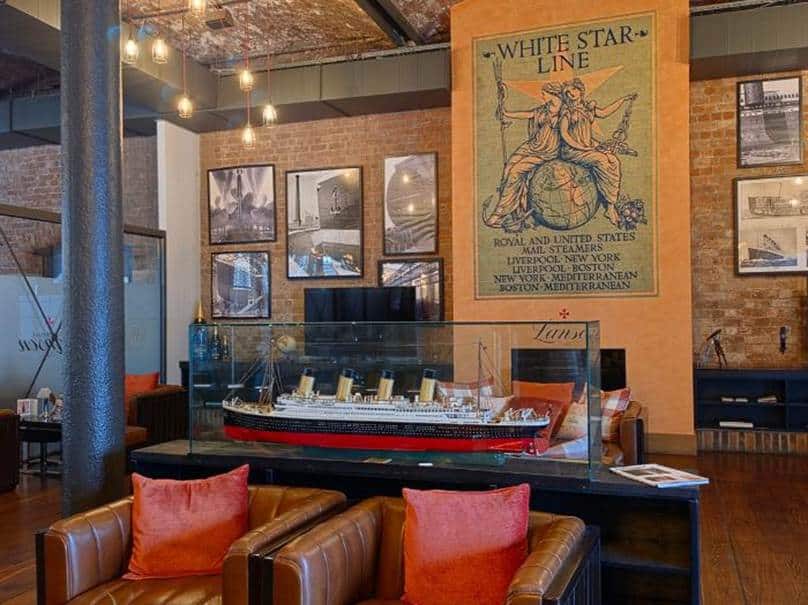
The setting is a nod to its past as a warehouse for tobacco and rum. The only drawback is the Stanley Dock is not around the corner from the centre – though it is a few blocks from Hill Dickinson Stadium, home to Everton FC, the other football club.
Two Kinds of Worship
Our first night in Liverpool proved to provide two forms of worship in two very different places.
Before heading into the city centre, we stopped at the Liverpool Cathedral. Britain’s largest cathedral, and the fifth largest in the world, took more than seven decades to complete. The cathedral’s red sandstone tower is visible from much of the city, a sober, uncompromising presence above the rooftops.
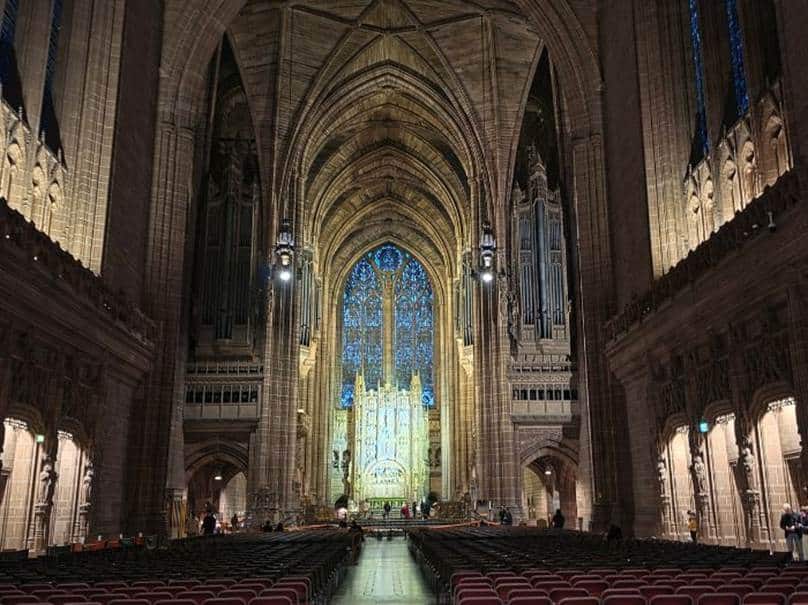
Its Grand Organ was completed and dedicated in 1926, decades before the building itself was finished in 1978. With around 11,000 pipes, it remains the largest pipe organ in the United Kingdom.
Inside, the scale is hard to take in: vast stone arches, a nave that seems to stretch on forever, and stained glass that adds colour as the sunlight pours in. Compared with the elaborate Catholic cathedrals I know best, Liverpool Cathedral feels austere – less ornamental, more monumental, and all more powerful for it.
The second place of worship was where millions of Beatles fans have come to relive a fabulous four concert experience: we made our way to the iconic Cavern Club.
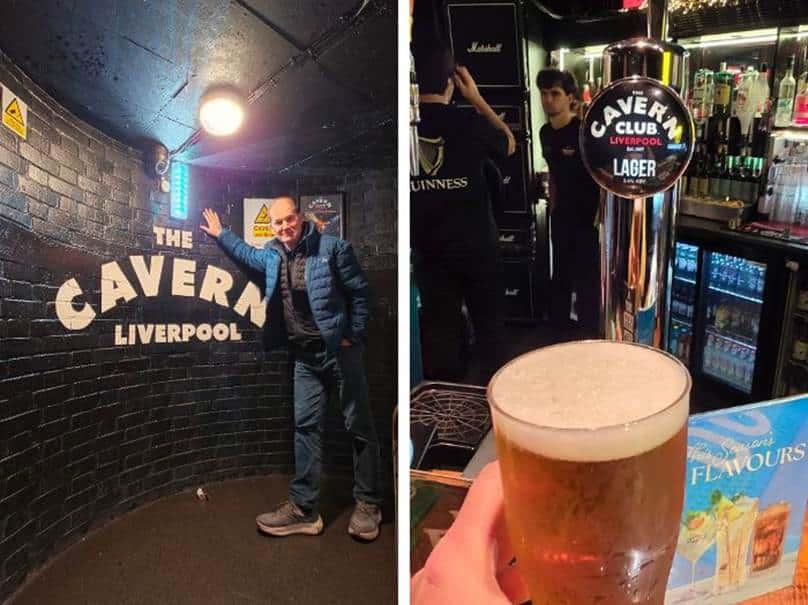
It is dark, crowded, and loud in the best way: low ceilings, packed tables, standing room only and people belting out Beatles classics as if we were still in the 1960s. There are two different clubs: one with the Beatles tribute act and another with a grittier classic-rock band. Between the two, I preferred the latter– slightly grittier, and with a more spirited audience.
The Cavern Club Beatles came on just after 9 pm, with costumes and props ready to keep all of us entertained for a few hours. There were breaks, costume changes and every familiar song you’ve grown up hearing. People sang, danced, and perused the memorabilia. You see, Liverpool does not treat the Beatles as a closed chapter; it keeps playing their songs.
Following the Music
The next day, we started at The Beatles Story at the Royal Albert Dock. This in-depth exhibition takes about two hours following the Beatles from their Liverpool childhoods through Hamburg, The Cavern Club (292 shows to be exact), Beatlemania, Abbey Road, and then concludes with their solo years. You move through carefully re-created spaces while an audio guide adds insight, interviews, and context.
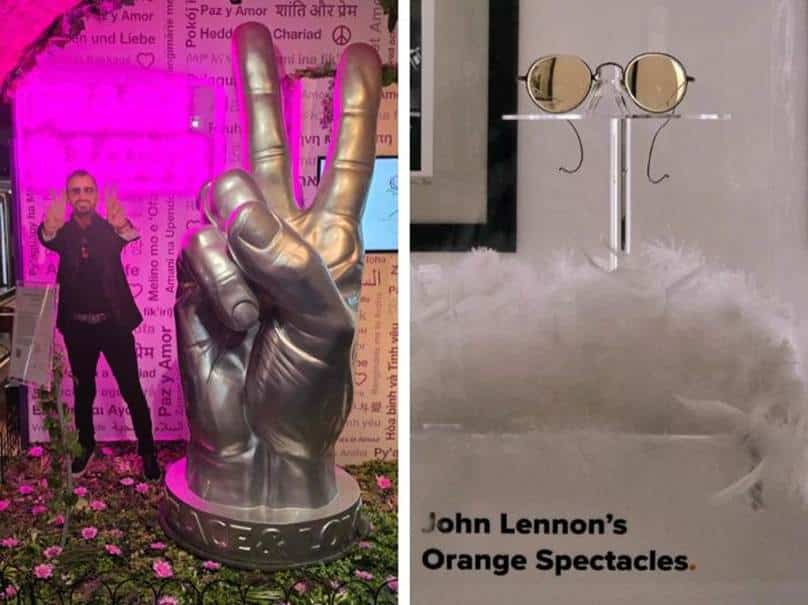
The objects are what made it feel real: George Harrison’s first guitar, John Lennon’s last piano, Ringo Starr’s drum kit, handwritten lyrics, rare album sleeves, and Lennon’s round orange-tinted glasses.
One display that caught my husband’s attention was a Yellow Submarine toy like the one he had as a child. “Press the button, and the Beatles pop up from inside the submarine,” he said, suddenly a little boy in Vancouver. Those are the kind memories you get.
From there, we walked along the waterfront to the British Music Experience in the Cunard Building at Pier Head. If The Beatles Story is about one extraordinary band, the British Music Experience (BME) widens the lens. It covers British popular music from 1945 to the present, from Buddy Holly and the Sex Pistols to Elton John, the Spice Girls, and Oasis.
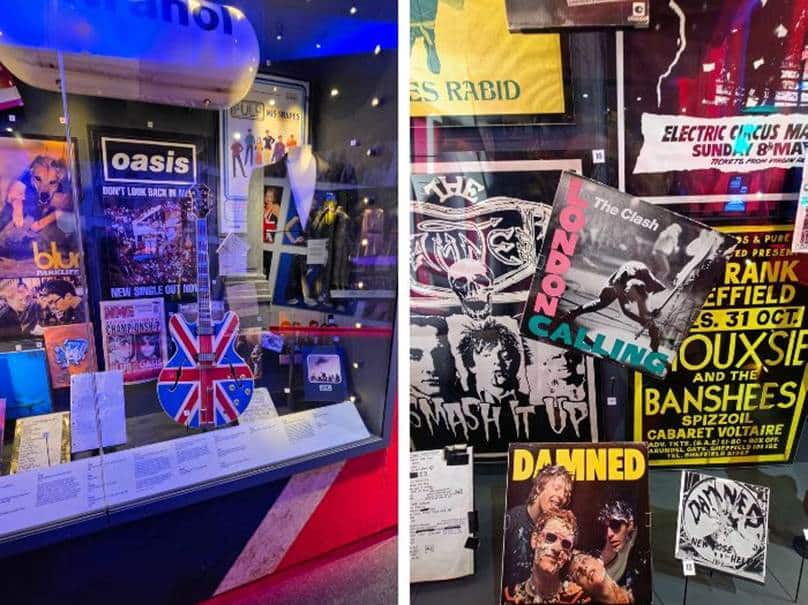
What interested us most were the bands hugely popular in Britain but unfamiliar to us. What had we missed? Detailed memorabilia and interactive displays added layers of music trivia and history. You can try and play instruments, record yourself in a vocal booth, giving this museum an interactive, multimedia appeal for younger visitors.
For anyone who grew up with a record collection, it is hard not to find a piece of your youth here – starting with a selfie in front of the Beatles’ statue in front of the Cunard Building.
We also added a stop at the free, well-curated Museum of Liverpool. Its exhibits on the docks, port, people, football clubs, music, and the city’s habit of reinventing itself gave us context we did not know we needed.
We were, however, disappointed to find that the Tate Liverpool and the International Slavery Museum were closed for redevelopment, with reopening dates in 2027 and 2028 respectively. Ultimately, this gives us the perfect excuse to return.
Strawberry Field Forever
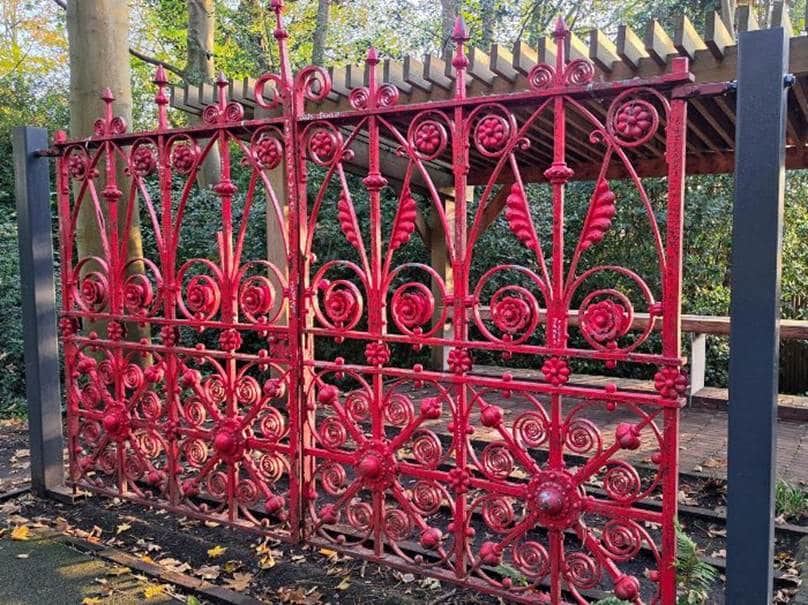
In the afternoon, we went out to Strawberry Field in Woolton. This was the quietest stop of the trip, and for me, the most affecting. Behind the famous red gates was the former Salvation Army children’s home treasured by John Lennon in his childhood. Though the home was demolished in 1973, a modern centre now welcomes visitors with exhibits, gardens, and a café.
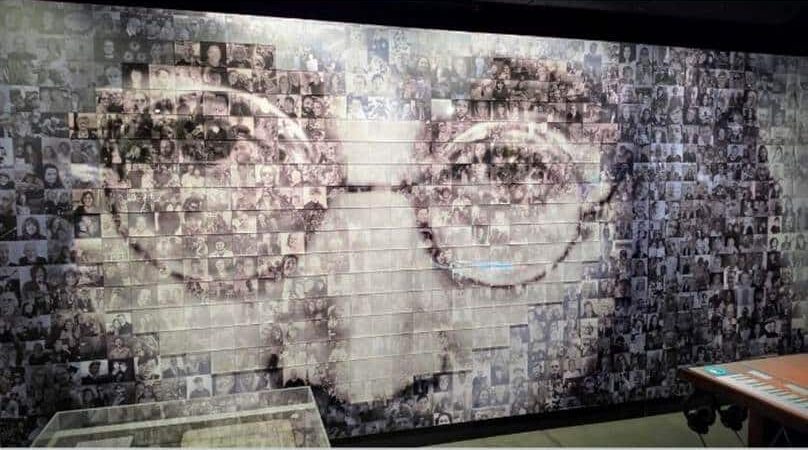
It is a gentler Beatles experience than The Cavern Club or the Royal Albert Dock: less about fame, more about the boy who once looked through those red gates and found a quiet escape from the chaotic world around him. A place that inspired “Strawberry Fields Forever.”
The small exhibit explains the site’s history, Lennon’s connection to it, and the Salvation Army’s ongoing work in the community. Among the artifacts is the walnut-finished upright Steinway piano Lennon used to compose and record “Imagine” – not the white piano seen in the song’s video.
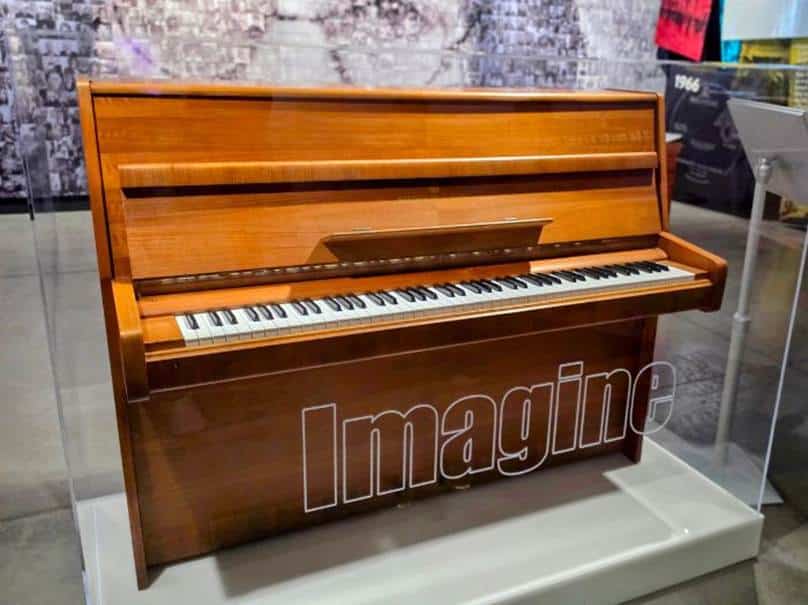
Outside, the peaceful garden includes a new rose garden dedicated this year to the Beatles’ longtime producer, Sir George Martin. Strawberry Field is well away from the city centre, so a cab or organized tour is the sensible way to get there, especially if you love its namesake song.
Lights on the Waterfront
We took a long bus ride back into the city centre, picked up dinner, and made a quick pre-game tour of the Liverpool FC store in Liverpool ONE. We discovered the River of Lightfestival, which had transformed parts of the waterfront into an outdoor gallery of illuminated installations.
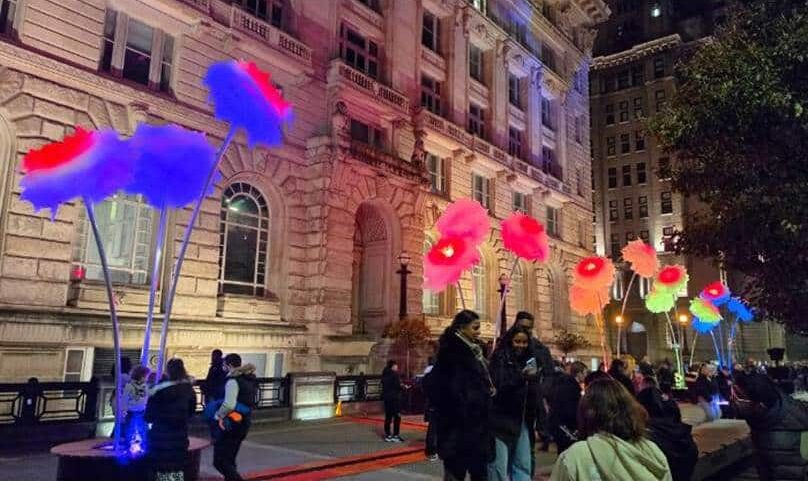
At City Hall, light, colour, and music transformed the square. At the Royal Albert Dock, enormous neon flowers, and geometric installations held everyone’s attention, while the crowds made Liverpool feel especially lively after dark.
Our Final Destination: Anfield
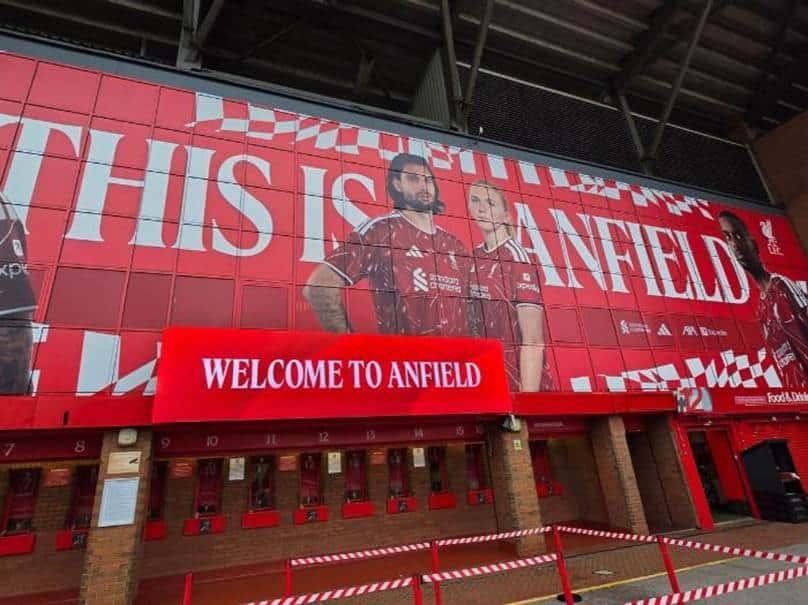
On our last full day, we took the matchday tour of Anfield Stadium. Between the tour and the match, we walked the surrounding streets to see the murals of Liverpool players and managers, then stopped in at the pubs. They were all filled with avid fans enjoying a pint, discussing the upcoming match while chirping their imminent opponents. That experience alone was worth the months of planning.
We saw the stadium quiet and empty in the early afternoon, then watched it fill with fans as kickoff approached. Once the match began, the chanting and flag-waving made the atmosphere electric. Wearing our acquired LFC scarves and trying to remember the football club’s anthem, “You’ll Never Walk Alone,” we joined more than 60,000 fans cheering on Liverpool FC.
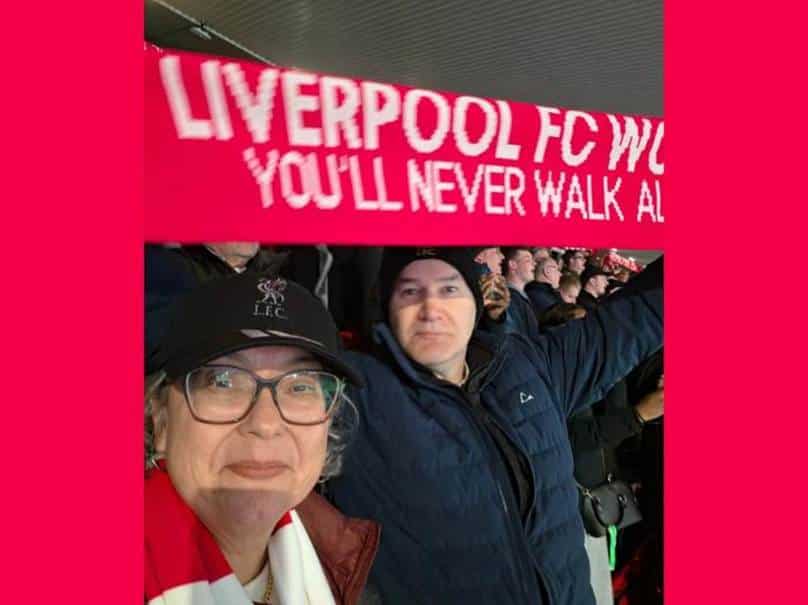
Although Liverpool lost 1-0 to Arsenal – Arsenal’s first Premier League victory at Anfield in 14 years – we still enjoyed every minute. The long trek back to the hotel, by foot, bus, and finally Uber, was inevitable when thousands of fans left at once.
Leaving Liverpool
We had come to Liverpool for a football match, but we got to experience so much more. The Beatles were not the reason we went, but Liverpool made it impossible to ignore them, and we loved it all the same.
I often get asked if I would return to a place I’ve already visited. For both of us, there is no question: it’s a resounding yes to Liverpool. Maybe you’ll come along too.
Let’s Chat:
Have you been to a place you’d like to return to? What made the experience so unforgettable?


