


Alone But Not Lonely, Why It’s So Important
I need to get better at writing down the sources of my favorite phrases and sayings (I have a notebook for those). Recently, I read (and did not write down the source) that a low level of social interaction can be just as unhealthy as smoking, obesity, alcohol abuse, or physical inactivity. Wow, that’s significantly negative with a bigger impact than I realized!
A Newfound Sense of Free Time
When I became an empty nester, I started to see how easy it would be to be home more and out and about less. With the kids and their activities off of the calendar, we didn’t have as many social, sports, or school-related things to go to anymore. I remember feeling this newfound sense of free time. We have to decide what to do with it, not be told when to be where for what. It’s so fun to be totally in charge of our time, I thought!
Alone Is Different
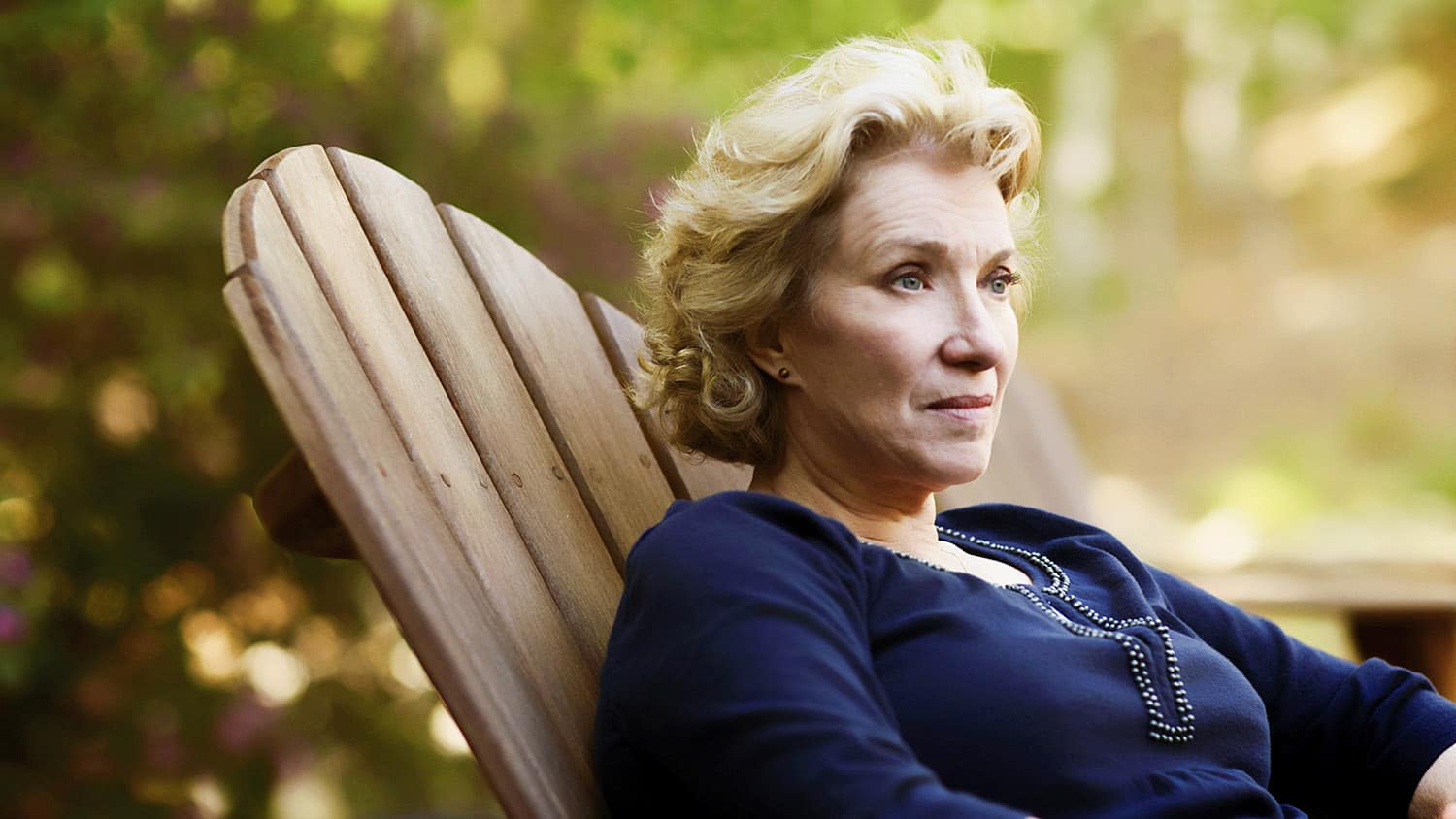
Then over the years, I’ve watched many clients, a couple of friends or their parents, and both of our mothers, journey into widowhood. Another household change! That forced singleness changes everything again, in so many ways. The house is quieter than ever and nighttime is the worst. All of the responsibilities for everything are in your lap, no more shared workload. You feel robbed of the visions you had for your future. You look at your calendar and none of it looks fun anymore, alone is different.
Isolation Can Be a Tempting Solution
It can feel easier to just stay home. Depending on where you are in your grieving, you may prefer to avoid talking to people about being in the club no one wants to join (widowhood). You have so much to take care of yourself at home anyway and there are projects everywhere you look, so it might feel natural to just want to stay at home. Plus, couples’ friends too often seem to drop off and you don’t get invited out as much anymore.
Motion for Your Brain
But that reduced – or lack of – social interaction, especially over time, can wreak havoc on your physical and mental health. You may have heard the phrase “motion is lotion.” That refers to blood flow in the brain and body and how it makes everything work better. Blood carries oxygen and nutrients to parts of the body to nourish them.
Exercise makes joints work better. Using all of your senses is motion for your brain. Talking to a friend while walking, for example, engages your eyes, ears, mouth, nose, and hands/feet. Socializing does that as well, plus it can elevate your mood for better mental health.
Just Do It!
Think about the times you were getting ready, or thinking about getting ready, to go to a social activity and debate in your mind about whether you should just stay home instead. I bet that 9 times out of 10 when you think back to those situations, you ended up being very glad that you went after all. Our brain’s inertia hurdle is not our best friend. We would be healthier if we could be more like Nike, “just do it!”
In addition to a physical health impact, choosing to minimize your social interaction will also impact your mental health. Most of the happiness research I have read seems to come to the common conclusion that the level of your happiness is most determined by the strength of your relationships. You can’t develop and nurture strong relationships without socializing with others.
We Need Human Connection
Fortunately, we do have more socialization options than ever before besides being in person. Phone or video calls (in many different formats) have made it more convenient to reach out and stay in touch with each other. But just for the same reason we see employers preferring at least a hybrid work environment (some days in the office and some days remote), being together physically in person is still the best overall human connection opportunity.
Keep Moving Forward
The one “good out of bad” example that I see with the suddenly single process, is related to finances. There is so much to take care of in the first 6-12 months that it feels overwhelming. But the good part of that frustrating process is that it forces you to keep moving forward on something. You have so much change thrown at you that a sense of direction, homework to take care of, and tasks that won’t get done by themselves that impact your daily life is actually helpful.
It forces you to focus, which can distract you from your grief momentarily while also feeling some progress. This is also why the second year after a loss is often worse. That hustle and bustle “dust” has settled from all the necessary things to take care of and instead, the realization of needing to reinvent yourself going forward settles in as this unchosen sudden singleness stares you in the face every day.
Continuing Your Journey
One client referred to me as a “widow’s financial friend” as I feel my role is to help through the finances and ease the pain of the journey. This is why most of my financial tools, especially the Suddenly Single course/bundle, are designed to help from the comfort of your own home, when you are ready, with or without outside assistance.
As you get through the financial tasks, stay connected with the other relationships in your life for your own better health. Alone does not have to mean lonely, or unhealthy.
Time for Reflection:
How have you seen the suddenly single journey unfold for yourself or other women in your life? Has socialization been a challenge, a blessing, or both? What tips can you share with other women from your experience? Let’s have a discussion!


Yes, the suddenly single journey is difficult at times. I lost my beloved husband as well. While it is never easy and I miss him and the life I thought we would be sharing, I found joining groups such as widow groups, church, and other activities that I enjoy doing myself is very helpful. The widow group was especially helpful as it allowed me to go out to restaurants with the group together and talk about the club no one wants to belong to. Working outside the home helps too. I volunteer at a local theater and that has been a great experience. I now have a new social circle of people who know “just me.” Also, just get outside and walk! When he first died, I walked and cried and cried and walked. I didn’t want our teenagers to see me crying so much. The fresh air helped me clear my head and now, I find I make much better decisions after I walk!
Sounds like walking served so many helpful purposes, thanks for sharing that! And that you see some positives in this new time of life as “just me.” I am sure that new found, though different, happiness is just what your husband would have wanted for you.
Some of us have been living with lonlilness and all its pressures for decades, having never been blessed with a marraige partner. Our grief is over the life we hoped we’d have that never came to fruition. Never married, had a family, and carrying the entire load alone is no less challenging than widowhood, but it sure seems to be overlooked.
I agree singlehood is definitely challenging. Sorry I am guilty of not acknowledging unchosen singleness often enough but appreciate your reminder to do better for the sake of many others in your shoes.
I also have found that this year (which happens to be the second year after my husband’s death) has been difficult. Yes I am also still crying periodically and managing the grief as best I can. 2 months ago I enrolled in some live online classes to take my mind off things and better utilize my time. It has helped tremendously. I have my family and a small social circle, a few of whom have been widowed for years. I am making it through…but I miss my Beloved.
Glad you are trying different things to find what helps you. Pain lessens but the love is always there so it’s natural to miss him.
Last New Year I made myself a pack to say YES to invites. I have followed that this year and I am less “alone”. It has made me feel better (most of the time) about being a widow. Once I got thru those first 2 years of finances etc. I feel more stable. Thank you for your help along the way.
Saying YES helps you act on positivity in your life, wonderful! I wonder what your next New Year decision will be?
So true about the second year often being the hardest after the spouse has died, as you have fewer pressing things to focus on. Please do not forget about continuing to be supportive of your widow friends in the second year. They are still crying and mourning — it’s just not as obvious to you as they do it alone at home. Don’t assume they will reach out to you when they need your help or companionship. We still have this quasi-mythical ideal that independence = strength. And we all want to be perceived as “strong.” Don’t forget that your friend may be the poor widow now, but you may well be the next one. Rare is that spouses die at exactly the same time.
Such good advice, thank you so much for taking the time to help other women with your experience!!