


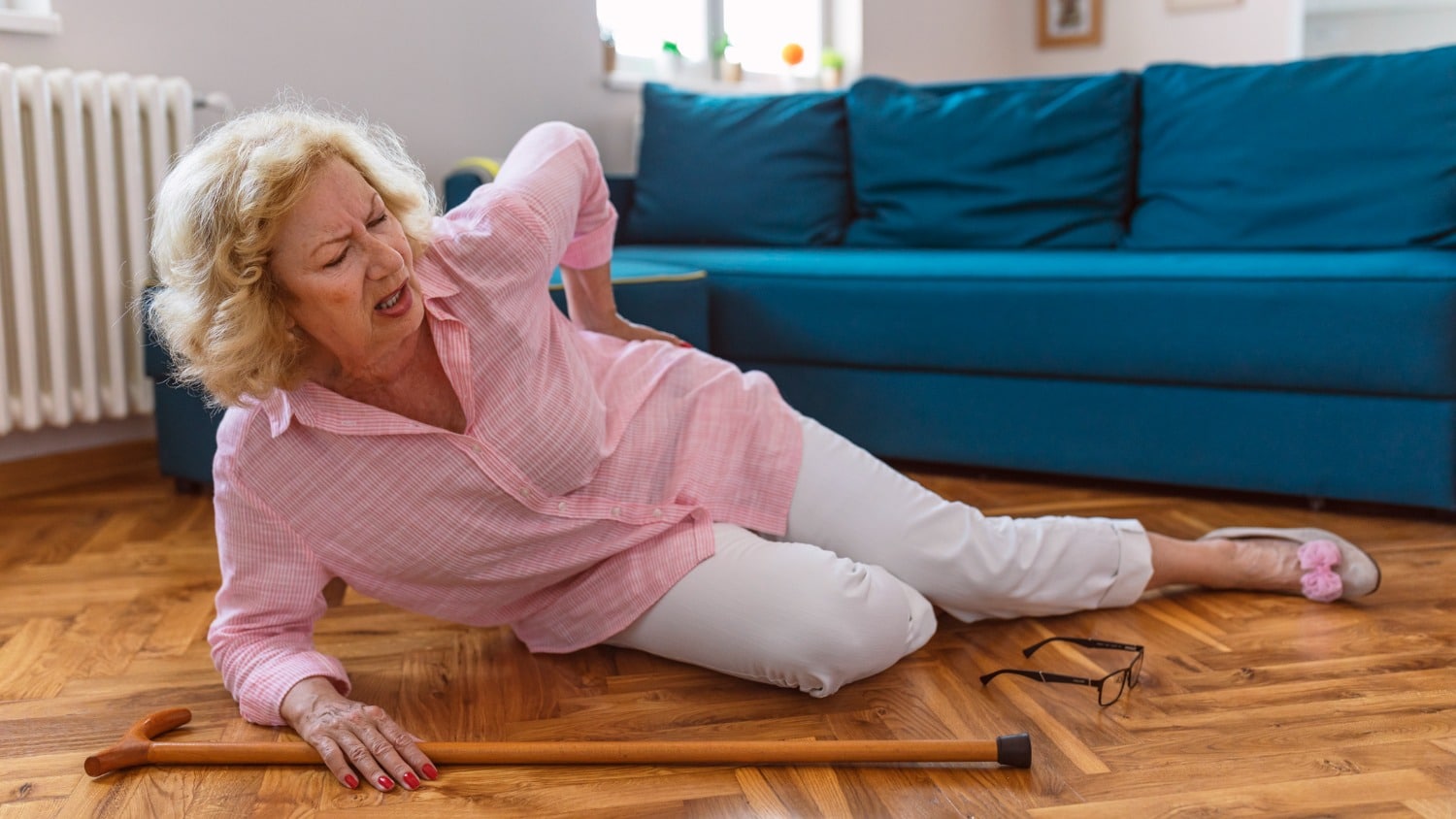
The Hidden Dangers of Falls for Baby Boomers
Falls are a leading cause of injury and death among older adults, and baby boomers are at especially high risk.
According to the Centers for Disease Control and Prevention (CDC), one in four adults aged 65 and over will experience a fall each year.
What’s more, falls are not just a danger to our physical health – they can also lead to cognitive decline and a loss of independence. Research has shown that older adults who fall are more likely to develop dementia.
So, what can you do to reduce our risk of falling? In this article, we will discuss the hidden dangers of falls for baby boomers and explore some simple strategies for preventing falls.
The Dangers of Falls
Falls can happen anywhere – in the home, in the garden, even on level ground.
They are often caused by a sudden loss of balance, a trip or slip, or a medical condition that makes it difficult to keep your balance and equilibrium.
Falls can lead to serious injuries, such as a hip fracture or head injury, and can even be fatal. The CDC reports that each year falls cause more than 2.8 million emergency department visits, over 800,000 hospitalizations and more than 27,000 deaths.
Falls are the leading cause of traumatic brain injuries (TBIs) in adults aged 65 and over, and they are also the leading cause of hip fractures. Hip fractures can be particularly serious in older adults, as they can lead to a long hospital stay, a loss of independence, and even death.
The Consequences of Falls
Falls can have a significant impact on your quality of life.
They can cause injuries that lead to pain, disability, and a loss of independence. Falls can also have a psychological impact, causing anxiety and fear.
Falls can lead to a number of serious injuries. Here are the most common ones.
Fractures
The most common type of fracture among older adults is a hip fracture. Hip fractures can be extremely painful and can lead to a long hospital stay, a loss of independence, and even death.
Head Injuries
Falls are the leading cause of traumatic brain injuries (TBIs) in older adults. TBIs can cause several cognitive and physical problems, including memory loss, depression, and difficulty walking.
Soft Tissue Injuries
These are injuries to the muscles, tendons, or ligaments. Soft tissue injuries can be extremely painful and can take several weeks or months to heal.
In addition to the physical consequences of falls, they can also lead to a loss of confidence and independence. Fear of falling can cause people to limit their activities, which can lead to social isolation and depression.
Preventing Falls
Fortunately, there are a number of things we can do to reduce our risk of falling. Some simple fall-prevention strategies include:
Exercising to Improve Strength and Balance
Tai chi, dancing, and other exercises that focus on balance and leg strength can help to reduce the risk of falls.
Making Your Home Safer
Simple changes to your home, such as removing trip hazards and installing handrails, can make a big difference in preventing falls.
Wearing Supportive Shoes
Shoes with good arch support and a non-slip sole can help to reduce the risk of falls.
Checking Your Medications
Some medications can cause dizziness or drowsiness, which can increase the risk of falling. If you’re concerned about the side effects of your medication, talk to your doctor or pharmacist.
What to Do If You Fall
If you do fall, it’s important to stay calm and follow these steps:
Stay Where You Are
If you’ve fallen and you can’t get up, stay where you are and call for help. Trying to get up without first checking for any injuries could make your injuries worse.
Check for Injuries
If you’re able to get up, check for injuries. If you’re bleeding or in pain, call for medical help.
Get Up Slowly
If you don’t have any injuries, try to get up slowly. Use a steady chair or another object to help you stand up.
Stay Active
Once you’re up, don’t just sit down – stay active and continue moving around to help reduce your risk of falling again.
What to Do Next
Falls can cause serious injuries, such as fractures, head injuries, and soft tissue injuries, and can also lead to a loss of confidence and independence.
If you need more information or if you are looking for solutions, I have written a comprehensive and complete program in my book, The Book of Balance, that will improve your balance and reduce your risk of falling.
Let’s Have a Conversation:
Have you experienced a fall? Did it result in an injury? What triggered the fall – was it bad balance, a trip or slip, or something else? How have you improved your health and lifestyle since the fall?

One thing I’ll add as a preventative measure is to be in the moment with your feet. I was visiting friends last October and unfamiliar with their environment. I was reading the ingredients on a small yogurt container while walking and missed a step on the patio. Down I went spraining my left ankle and banging my right knee. Fortunately I didn’t break anything but am still feeling the effects of the sprained ankle. It does take so much longer to heal from a sprain now at 70 than it did when I played sports in my 20s, 30s, 40s.
Here’s one for you – it was a bad dream! I dreamt that I was in the bathroom and a big, burly guy walked in. That made me furious, so I lunged at him. As I reached for him, he became transparent, my hand went right through him, I felt my body lurch forward, and the next thing I knew, I heard my cat meowing and I was on the floor. I had fallen out of bed!
It was difficult to get up. I am not injured, but I am sore. I haven’t been exercising, and realized I need to build leg strength and so I am going to start exercising again. Literally a wake-up call!
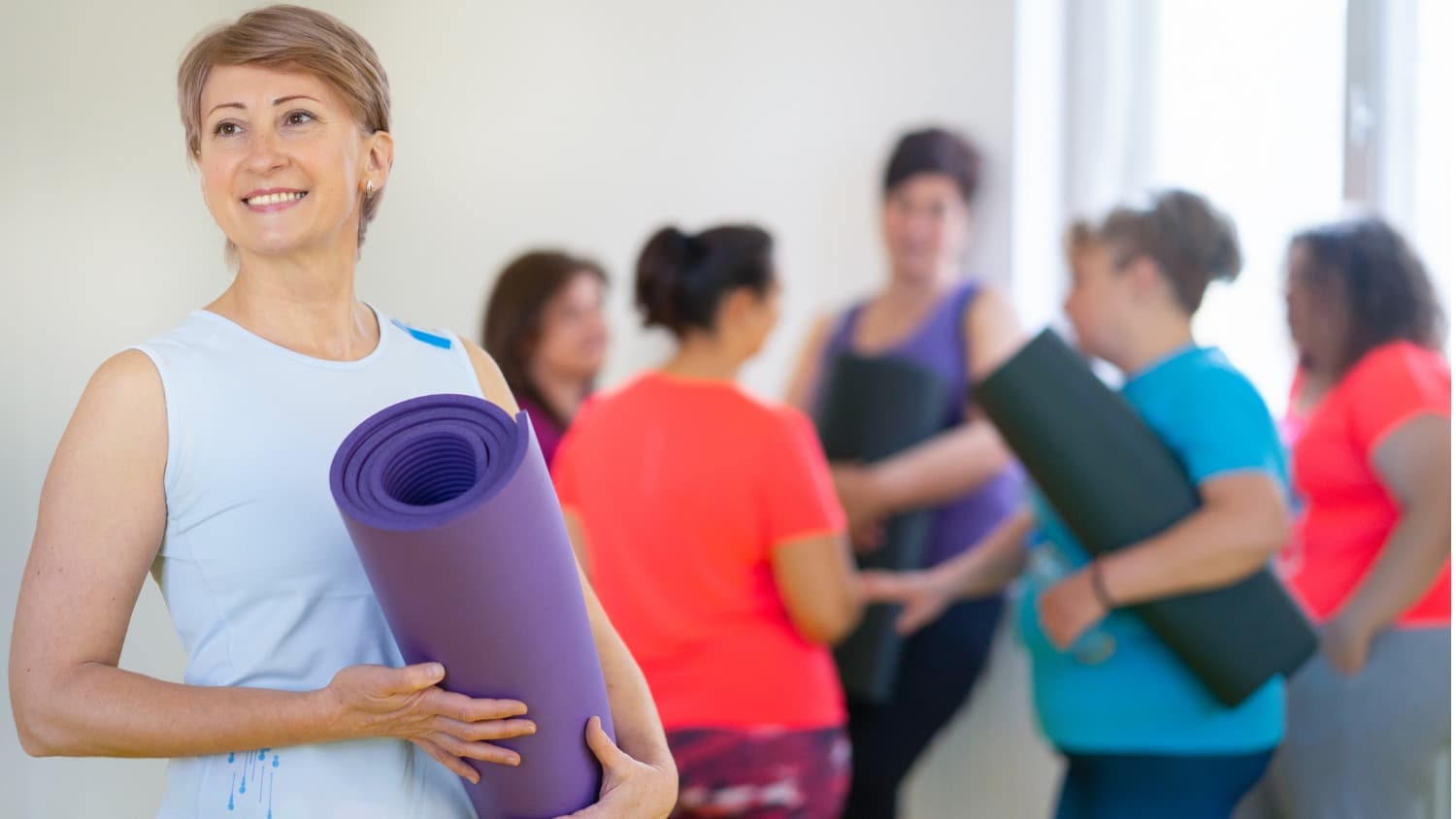
I take an exercise class called SAIL (Stay Active and Independent for Life). It is a fall prevention class, and the age of class members ranges from 65 to 94. I have watched seniors improve their balance and movements dramatically, and many share experiences of avoiding falls due to movements practiced in this class.