


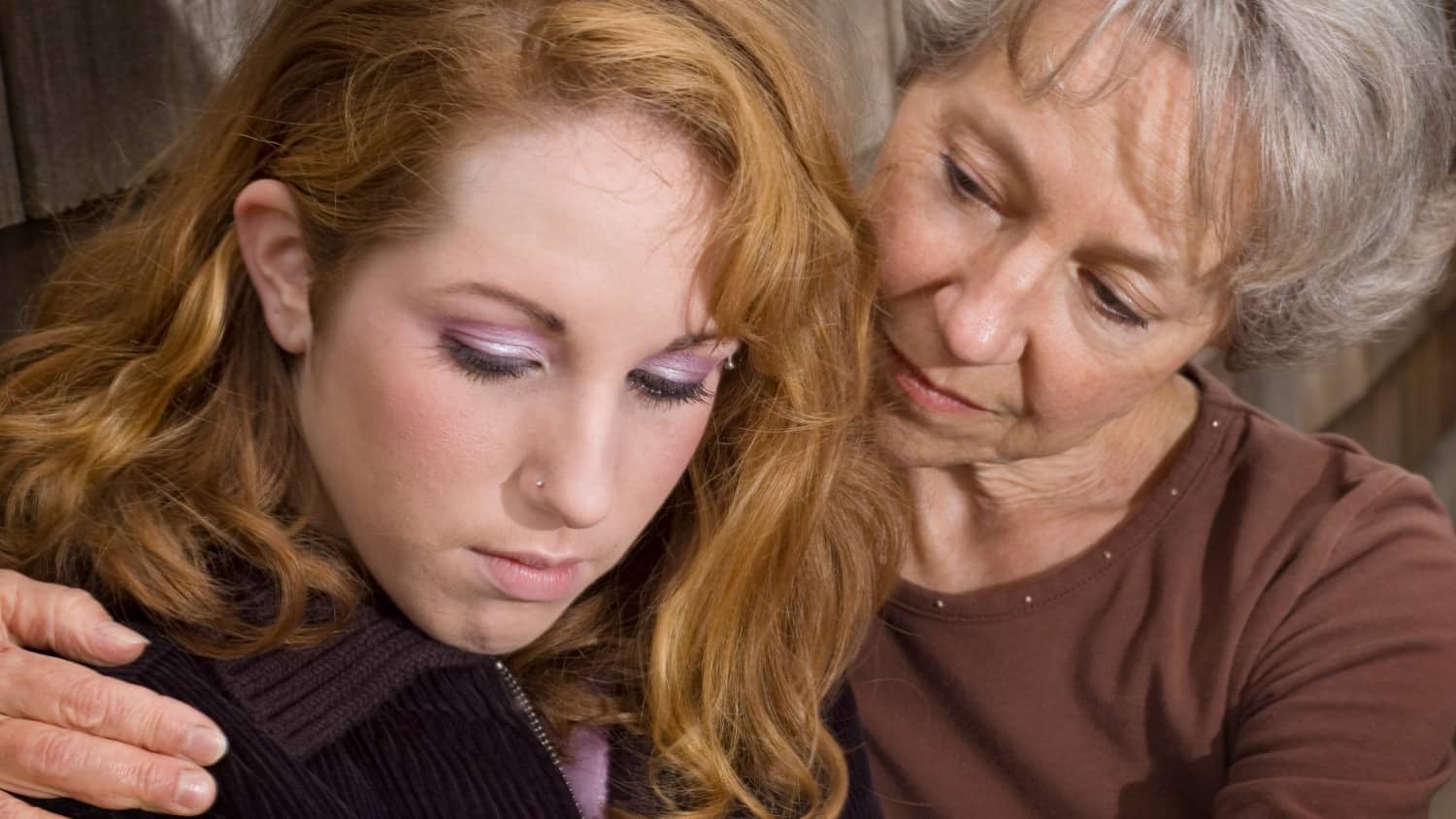
Estrangement: The Secret So Many Hide
Estrangement – what an ugly, harsh-sounding word. Jarring to the ears, in fact.
The dictionary definition of estrangement is “the state of being alienated or separated in feeling or affection; a state of hostility or unfriendliness.”
Estrangements are shrouded in secrecy and shame. Estrangement is a stigma.
Those who have experienced estrangement, either as the one who cut off the relationship or as the one who had the relationship cut off by someone else, all share one thing in common: a sense of being alone.
Statistics, however, do not bear out this assumption.
According to Karl Pillemer, PhD, in his newly released book, Fault Lines – Fractured Families and How to Mend Them, over one quarter of Americans surveyed reported currently being estranged from a relative – translating into 67 million people.
The Triggers
What leads a person to break off a key connection? There are many reasons, including:
- One is done trying to make the relationship better.
- Lack of desire to further accommodate demands.
- Done overlooking intolerable behavior.
- No wish to keep apologizing for a different lifestyle.
- Done ignoring disrespect for a spouse or partner.
Often one key event usually triggers the estrangement.
Pillemer notes that there has been a dramatic increase in the human life span. Therefore, the amount of time children spend as adult offspring can likely be 30 to 50 years. Thus, our family relationships – whether positive, negative, or both – affect us for many decades.
Past conflicts, violated and/or unmet expectations, the lasting effects of divorce, in-law issues, money and inheritance, unmet expectations, and value and lifestyle differences are all fertile areas of estrangement cultivation.
The Effects of Estrangement
Estranged parties share many of the same emotions. They feel deep sadness and a rudderless feeling of loss which often leads to chronic stress and separation anxiety. The pain from rejection is real and intensified due to the physical absence but psychological presence.
Unfortunately, estrangement does not just stop with the family members intimately involved. The entire family/kinship network often feels the ripple effect. The collateral damage spreads far, wide, and deep.
There is disruption of social capital resources – sources of financial and practical support that family members could tap into if the rupture were not present.
Let’s face it: Estrangement jumpstarts tiny earthquake-like ripples. A tradition of exclusion and isolation ushers in. Family members often have to choose one family member over the other. Nasty damages to generations can ensue – spewing spite and bitterness among the relatives.
Slow-Building Estrangement
Many estrangements spring from the explosive power of a single event, but in fact may have been building up for years or decades as a long history of pain and disappointments. Whether it’s a pivotal incident or an accumulation of hurts, people in estranged situations often echo many of the same thoughts:
- It never stops hurting.
- It’s taken 10-20 years off my life.
- The estrangement is an open wound.
- There is a sadness in me that just won’t go away.
- I lost faith and trust in myself.
- It’s like a death, but with no funeral or closure.
I remember years ago, when I was married to my first husband, traveling regularly from Florida to Ohio with my two small sons to visit my parents.
Saying goodbye after an extended stay in my hometown was agonizing – my mother would cry uncontrollably and lament the unfairness of me living nearby my husband’s family and not my own.
In those moments, all I wanted to do was distance myself from her pain as quickly as possible. And the more miles that separated us, the calmer I felt.
Estrangement Is Toxic
Estrangement between any two family members is a culmination of a long history of tension and disappointment, notes Pillemer. It is significant and widely toxic.
The dreaded phrase uttered from one family member to another: “I never want to see you again,” is a phrase that too often ushers in a formal declaration of estrangement and collateral damage for generations to come.
It, says Pillemer, is a “before and after moment in which everything changes irrevocably.” Angry rumination follows – as does silence, stand-offs, and stonewalling. Past history shifts as it in interpreted in light of the volcanic event.
Is It Possible to Mend a Relationship?
Fortunately, there are those who are able to bridge their rifts. It doesn’t happen because their situations are easy to resolve. Actually, the driving point is the personal benefit of ending the estrangement – of dropping the weight of anger, hurt feelings, and negativity that had plagued them for years.
They do it for themselves.
What Goes into It?
In estrangements, both parties have composed narratives that support their sense of self and the way they think about the relationship. Estranged individuals often disagree dramatically on the meaning of the pivotal event.
Those who are able to reconcile (Pillemer refers to them as Reconcilers) let go of both the need to align the two versions of the past and to agree on the past. Starting from the present is the key. (And individual counseling and therapy invariably helps this process.)
How to Cross the Chasm
First, successful reconcilers change their expectations. They stop expecting the other person to become someone he or she is not. Also, they stop expecting that person to live up to their values.
Both parties have to settle for less than they desire to restore the relationship – moving from seeking an ideal relationship to realistically attempting the best connection possible.
And second, successful reconcilers share common tools. They are able to set clear limits and boundaries, while making sure their own needs are met. They protect themselves by realizing “you can go home again, but it well may be a different ‘home’.”
Whichever it is, it’s definitely worth preserving.
Let’s Have a Conversation:
If you have experienced familial estrangement, what has helped you mend the rift? What advice would you give others in this situation? How can you prevent the breaking-off of relations? Please share your thoughts and tips with the community.
Tags Estrangement


This is happening too often now. In my case, it’s unmet expectations from an adult child. For some reason, he feels that both sets of parents should’ve handed him more (money). Seriously. He blocked us all. Very sad.
i am close to the autumn part of my life. The toxic, destructively bad manner I put up with a so called brother, verbal, physical abuse I forgave!?? No more – I was cursed to have such bad sibling & dad – it’s emotionally devastating thru years of horrific vitriol including his ignoramus wife and offspring- 1 I helped raise 1 along with my dear mother (also mistreated, disrespected!! These people haven’t changed, too narcissistic, damaging
without remorse. I should have removed from my life long long ago instead of being their punching bag, victim- thought I can repair NEVER WANT THEM IN MY LIFE – I’m too kind, honest to have endured horrible experiences. Move on when you aren’t treated with kindness!
I’m at the begining stage if “reconciling” with my son. We are begining to talk and while that’s good and I feel better, I still feel the need for him to apologize for not having me at his wedding this past April. It still feels like a major sever between us. It surprises me that he dosen’t seem to think it was that big of a deal. I’m conflicted because I want to move on but I still feel rejected and humiliated. Of course there is more to this but I am struggling with this inparticularly right now. I keep my mouth shut but those ugly feelings still remain. I’m not sure how to keep moving unless this gets addressed
I agree – it’s a huge barrier to climb over – not being invited to his wedding. However, do you want to be right, or do you want a relationship with him and his family? Instead of sending your energy into the past, I think it would help your sense of peace and quality of life to find a coach who can support you in your personal growth – to help you heal the root of your triggers. Take a look: fulfillingrelationship.com
My sister estranged herself from her birth family for ~20 yrs. She had left her partner of >20 yrs, a man who was 30 yrs her senior. She took up with an abusive man who was jailed for his abuse. She reunited with our mother ~5 yrs ago. I happened to be at mom’s house the day she appeared unannounced at mom’s door with a new boyfriend. She was not willing to discuss the estrangement when mom asked about it; she said I’m just here to visit. During the visit, she ignored me as best she could. Previous to this encounter, the last contact I’d had with her was at a school reunion ~ 5 yrs previous, when she turned her back on me & our other sister. That was the day I quit worrying about her. To be clear, there had been attempts by myself & other family members to connect with her in the past 20 yrs. It never ceases to amaze me who she connects with as people (relatives & old neighbors) comment about their interactions with her. I’ve read text chains that suggest she’s fabricating stories. I question her mental wellbeing. Mental illness can also contribute to estrangement, as can addictions. Sometimes these conditions can be just as toxic or more than estrangement. Our mom passed recently. She attended the celebration of life. Our interaction was perfunctory. A month later, she wanted a copy of the will. I don’t have room in my life for these kinds of relationships. I will “make nice” but I feel like the ball is in her court & I will honor my boundaries. In the words of a friend, “What? You shared a womb so you’re supposed to be best friends?” I’ve come to the stage in my life where I question some familial obligations.
I agree that mental illness and addictions are at the root of many estrangements.That, and a family member who has an unstable partner. It is difficult and complicated for everyone. And exhausting!
Often there is no resolution. My mom disinherited me, and then felt bad about it and said that she would resolve it. She did not give a reason why she did it, just that she had been drinking. She was an alcoholic. She never resolved it, she has dementia now and does not remember it. It is hard to show apathy for her, even though she is unaware of the division. You just have to smile and pretend that it never happened. and try to remember the past when she was nice. It makes you bitter.