


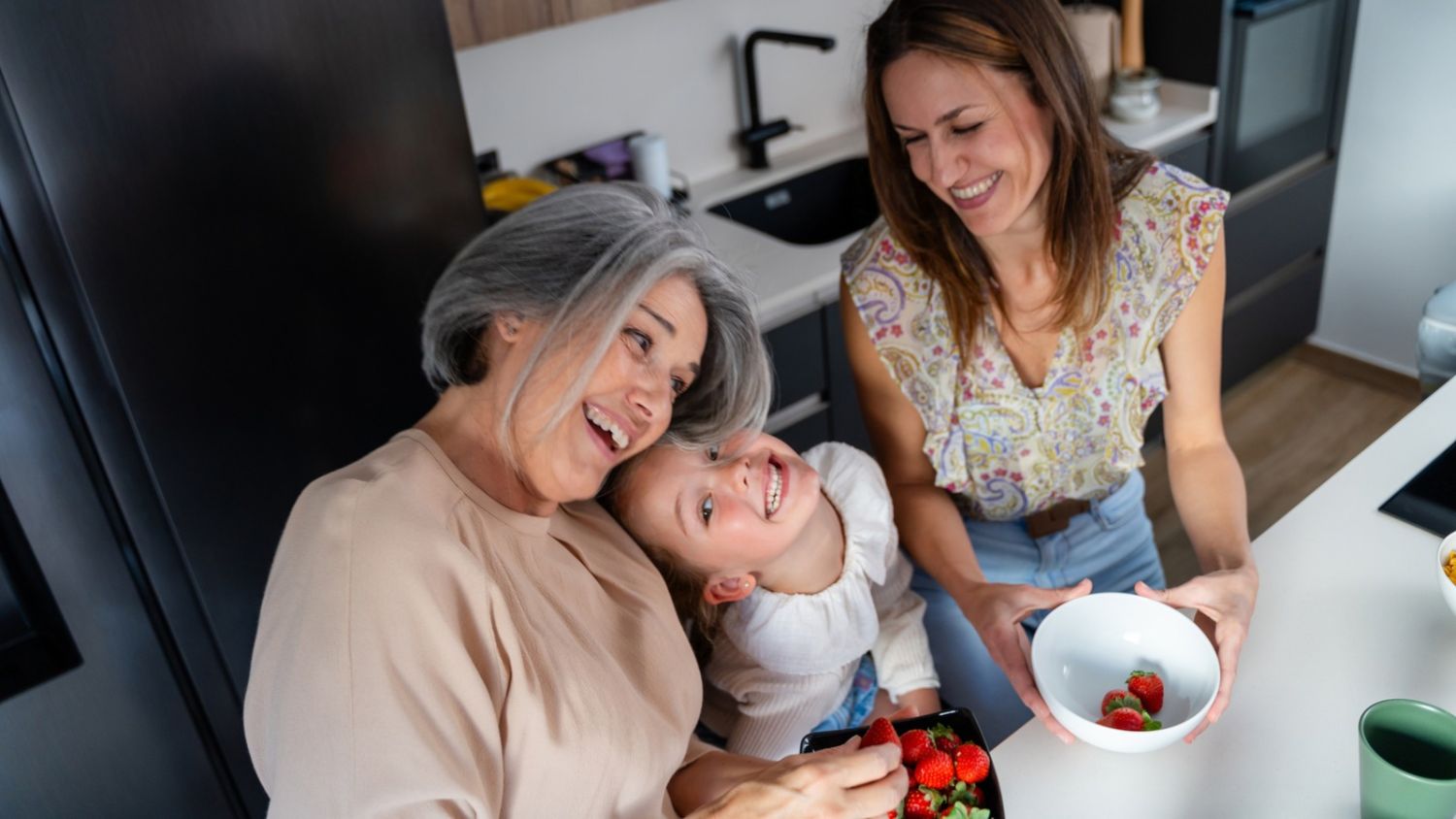
From Strawberries to Postcards: How Gratitude Became Our Family Language
When my daughters were little, I often asked the familiar parenting question:
“What do we say?”
“Thank you!” they answered together. Sometimes they said it before I had even finished the question.
Good manners mattered to me, but I wanted my daughters to understand what those two words were acknowledging. A gift or kind action rarely begins at the moment we receive it. Someone remembered us, spent time or made an effort before the finished result appeared in front of us.
Children usually see only that result. I tried to tell them the part of the story they could not yet see.
The Story Behind the Strawberries
One day, their grandparents brought them strawberries they had grown. To the girls, the berries simply appeared on the table, ripe and ready to eat.
So I told them what had happened first. Grandma and Grandpa had planted the strawberries, cared for the plants and watered them. They had waited while the berries grew in the sunshine, picked them when they were ready and brought them to the girls.
The strawberries were ordinary, but their grandparents had thought about my daughters long before the first berry was eaten.
“Thank you for the strawberries” was polite. “Thank you for growing these for us” showed that the children had begun to understand the care behind the gift.
The Part of the Story Children Cannot See
Their father sometimes came home with a small bouquet of spring flowers for the girls. I would explain that during his day he had seen something beautiful, thought of his daughters and decided to bring it home for them.
When their grandmother prepared a special breakfast, the girls saw the meal. They did not see her wake up earlier, choose what they might enjoy, buy the ingredients and prepare everything before they arrived.
I pointed out these details because I wanted them to notice that care was already happening while they were busy living their own lives. Someone had remembered a favorite breakfast. Someone had watered the strawberries. Someone had seen spring flowers and thought of them.
This was never about making the children feel guilty or suggesting that they owed the adults something in return. Gratitude, as I understood it, meant recognizing what another person had done: “I saw the effort. I know this took time. I understand that you were thinking about me.”
The Echo I See Years Later
I cannot claim that these conversations determined who my daughters became. Children grow through many experiences and relationships, and much of who they are belongs entirely to them.
Still, now that my daughters are older, I sometimes recognize an echo of those early conversations.
One daughter often brings me flowers for no particular occasion. She sees them, thinks of me and decides to bring them home. It is the same quiet gesture their father once made for the girls.
My older daughter sends postcards from the places she visits. This is something our whole family does. Wherever we go, we look for a postcard and think about who should receive it.
A postcard says more than “I visited this place.” It tells the recipient, “I was somewhere new, and I still thought of you. I wanted to share a small part of this experience with you.”
The person receiving the card sees the final result. Yet, like the bowl of strawberries, the postcard carries the story of what happened before it arrived. Someone paused, chose a card, wrote a name and found a way to send it home.
Why Real Mail Belongs in This Story
Perhaps this is one reason I later created TaleMail, a project that helps children find something meaningful to say through real mail. Writing to someone asks for a particular kind of attention. The child has to think of the person first and then decide what that person might like to know.
A text message can be thoughtful too. A postcard simply makes the process visible. Someone saw something, remembered another person and paused long enough to send part of that moment to them.
A child’s thank-you note can work in the same way. “Write Grandma a thank-you card” may sound like another assignment. The words come more naturally when the child first understands the story behind what Grandma did.
The strawberries could become one simple message:
Grandma and Grandpa, thank you for growing the strawberries for us. I know you watered them and waited until they were ready. They were so sweet.
The handwriting and length matter less than the detail. That detail tells the recipient, “I noticed.”
When Gratitude Becomes Part of Family Life
A child who learns to recognize care may eventually begin to create that feeling for someone else. The child knows what kindness feels like from the receiving side: someone thought about me and wanted to make my day a little better.
Later, that understanding may become flowers brought home without an occasion, breakfast prepared for someone else or a postcard sent from far away. The gestures change, but the message remains familiar.
Tell the Missing Part of One Story
This November, instead of beginning with “What are you grateful for?” tell a grandchild the missing part of one ordinary family story. Explain who planted the strawberries, woke up early, repaired the chair, remembered a favorite color or stayed through the rain.
Then ask, “What would you like that person to know you noticed?”
The answer might become a conversation, a drawing or one honest sentence on a card. Add an address and a stamp, and let the child send it.
Years later, you may receive flowers for no reason or find a postcard from your grown grandchild waiting in the mailbox. You may recognize the message before you read the words.
Those gestures are not repayment for the strawberries. They are the continuation of the story.
Let’s Have a Conversation:
What ordinary act of care from your childhood did you understand only after you grew older? What traditions of gratitude have continued in your family?
Tags Being Grateful


