


Friend Dating for Boomer Women Who Want to Add Value to Later Life
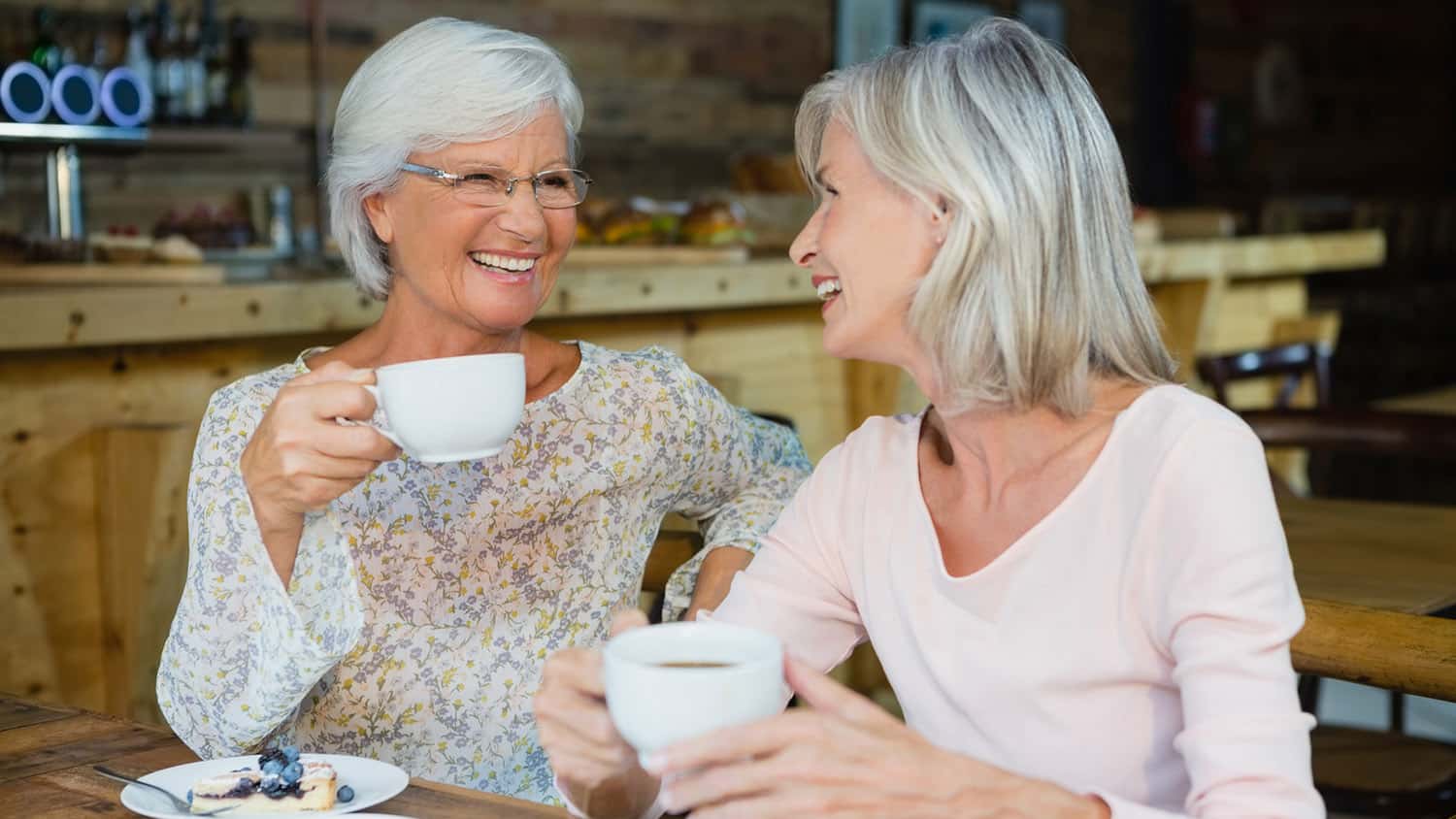
I went on a date recently. No, I wasn’t cheating on my husband. I was meeting a friend of a friend for coffee.
Much like real “set-ups,” I put this one off for a long time. Our mutual friend had introduced us months ago, and while I periodically emailed this woman – and she me – to try and find a convenient place and date, neither one of us really put much effort into it.
The meeting languished on my “long” To-Do list, falling somewhere between “polish silver jewelry” and “figure out religion.”
And then, one day, when I was scrolling through my email, I came across her name and thought: “What the heck?”
Finding Your Type
I’ve written before about how hard it can be to find your “type” when you’re dating for friends in adulthood.
On the surface, this lady I eventually met up with had everything going for her: she was a psycho-therapist (Oh! How I love a good therapist!), she specialized in mid-life transitions (Hello!), and she was Jewish (Nuff’ said).
But, of course, people can look great on paper and still be total duds in real life.
(I once went on a date with a guy in DC who seemed like reasonable enough boyfriend material, but who then spent the entire evening telling me how he’d been listed as one of Washington’s 100 most powerful people. Right after telling me his salary and his work-out regime.)
Blech.
Not so here. Within half an hour, this therapist and I began jointly analyzing the link between my being the youngest of four children and how that affects my attitudes towards my own kids’ sibling rivalry.
I knew I’d found a friend. By the time we ordered our second pot of fresh mint tea, I was in love.
Why Real Life Friendships Matter
In the hyper-connected world which we all inhabit these days, it’s easy to fall back on virtual friends. I, myself, have made loads of friends online over the years.
Some of those friendships have now claimed a seat at the table on my personal Board of Directors. Others are people I simply enjoy catching up with from time to time on Facebook.
But the Internet can’t yield the sort of benefits that derive from close, real-life friendships. Research shows that having robust, diverse social relationships can have a host of wellness benefits, including longevity, happiness, and professional success.
And it’s not just close friends who matter, either. The New York Times somewhat recently published an article on the importance of loose ties.
The thrust of the article was that by cultivating low-level friendships at places we frequent – whether churches, bars, or PTA meetings – we become less lonely and more empathetic.
These “low stakes” friendships are also a fantastic source of recommendations for everything from hair salons to accountants.
The Value of Friendship
In a compelling column in 2014, New York Times’ columnist David Brooks declared that if someone magically gave him $500 million, he’d use it to foster adult friendships.
His vision was sort of like a giant summer camp composed of grown-ups drawn from all different backgrounds. Brooks believes that having close friends helps you make better decisions, adhere to a higher standard of behavior, and – ultimately – be more authentic.
I’m totally with him. I’m not sure I’ve got the cash right now to go to camp. But I do know that I need to keep putting myself out there, meeting new people, and soldering old ties.
In the meantime, I’m having dinner next month with my new Bestie. She’s bringing her husband and I’m bringing mine.
Who knows? Maybe they’ll become friends too.
Let’s Have a Conversation:
When was the last time you made a new friend? What was the experience like? Would you do a repeat if you found the right person? Please share your thoughts and stories with our community!
Tags Friendships



I found a friend online during covid. I was part of neighbourhood free gifting scheme. I came and collected some garden art from her place and she collected a free item from my place. We got to talking. I enjoyed our conversations….then covid struck.
Out of the blue she messaged me to ask how I was doing during the “shut-down.”
We were all “stuck” in our homes. So she suggested we have a weekly zoom call on Tuesday at 2 o’clock.
She was following Annabelle’s Yoga on YouTube so I did too.
After yoga, I would put on something decent, brush my hair, put on some lippy and wait for my phone call.
We made a pact to take care of our appearance that day and look out for each other.
I made a real friend and we now meet for coffee every week.
how lovely!
It’s very easy not to put yourself out there .
But I agree with what has been said
…effort creates energy, energy attracts light. Light attracts like minded people
I attended seven different high schools and had at least 15 different employers over my working life. You learn how to make friends quickly. Seriously though, force yourself to reach out, be open, just don’t discuss touchy subjects that you figure out you have different views on, and shoot for finding at least two areas of similar interest and/or things in common. Ask questions, let them talk about themselves. Be an ‘interested’ introvert, if you are shy. Do not keep a score card about who initiates most. Do not be snarky. Make up your mind to be positive, not easily offended. Accept them as they are and do not have all kinds of high expectations about how they ‘should’ act, think, or be. Do not pressure them. Give the friendship time to grow! You will have a friend for life following this advice, if, after doing all this, you decide they are worth keeping.
This is excellent advice, Christine! I like “find out two areas of similarity.”
Forced to do this through death of husband when in 50s
good article.. thank you!