I Quit Chasing Diets – and Finally Started Feeling Better (+ Recipe)
I’ve been alive long enough to remember when grapefruit was practically a weight-loss strategy.
Then came the cabbage soup. The low-fat everything. The low-carb revolution. The points, the shakes, the fasting windows, and the diets that required so much planning you practically needed a project manager.
Every few years, someone announces that we’ve finally figured out how we should eat.
And every few years, the answer changes.
Some of these approaches have genuine merit. Others are clever marketing wrapped around a fairly ordinary idea.
But after watching so many diets come and go, I’ve become less interested in which one promises the fastest results and much more interested in something else.
What actually makes a weight-management approach work over the long term?
The answer isn’t nearly as glamorous as the advertising.
The Most Important Part of a Diet Isn’t the Beginning
We all know the appeal of starting something new.
There’s a plan, a grocery list, a goal, and usually a fairly optimistic prediction about what we’ll look like in six weeks.
But the first six weeks aren’t where most weight-management plans are tested.
The real test comes later, when the novelty has disappeared and the approach has to coexist with holidays, restaurants, family gatherings, busy schedules, and ordinary Tuesday evenings.
Research consistently shows that maintaining weight loss is challenging. Our bodies can respond to weight loss with increased hunger and reduced energy expenditure, making maintenance harder than simply continuing the same habits.
That doesn’t mean long-term success is impossible. Plenty of people achieve it.
But it does mean that a plan’s ability to produce quick results tells us surprisingly little about how well it will work five years later.
I’ve become much more interested in that five-year result than in the six-week transformation.
Three Things We Keep Mixing Together
This is probably the most useful distinction I’ve made while studying nutrition.
Eating nutritious food, losing weight, and maintaining weight loss are three related but different goals.
A meal can provide excellent nutrition without causing weight loss.
A diet can create a calorie deficit and produce weight loss without providing especially good nutrition.
And losing weight doesn’t automatically teach someone how to maintain the result.
That may sound obvious, but look at how often those ideas are blurred together.
A product is labeled healthy, and we assume it’s good for weight loss.
A diet produces dramatic weight loss, and we assume it must be healthy.
Someone loses 30 pounds, and we assume they’ve found a permanent solution.
None of those conclusions is necessarily true.
Once I understood the distinction, I stopped expecting one eating plan to accomplish everything simply because it had a convincing name.
The Best Diet Has to Survive Your Actual Life
I used to think the hardest part of a diet was having enough discipline to follow it.
Now I think a better question is whether the plan deserves that much discipline in the first place.
If it requires foods you dislike, elaborate preparation you don’t have time for, or avoiding every social occasion involving dinner, how realistic is it that you’ll continue for years?
That doesn’t mean successful weight management requires no effort. It often requires substantial, consistent effort.
But there’s a difference between effort that builds a workable routine and effort spent fighting a system that doesn’t fit your life.
For me, that means evaluating an approach before becoming enthusiastic about its promises.
Can I imagine eating this way on vacation? Can I manage it during a busy week? Does it leave room for a restaurant meal without turning the next day into a punishment?
And does it address what happens after the weight comes off?
If the answer to most of those questions is no, I’m considerably less impressed by the before-and-after pictures.
What I Pay Attention to Now
Instead of looking for the next diet, I focus on a few principles that can be evaluated and adjusted.
Nutritional Quality and Calorie Intake Aren’t Interchangeable
Both matter, but they answer different questions. A nutritious dinner doesn’t automatically tell me what I’ve consumed over an entire day or week.
Patterns Matter More Than Isolated Meals
The occasional celebration isn’t the same thing as a daily habit. Understanding the difference is more useful than labeling individual foods good or bad.
Muscle Matters
Maintaining muscle supports strength, physical function, and overall health. Adequate protein and resistance activity can help preserve it.
An Approach Needs to Be Maintainable
If a strategy produces results but requires a lifestyle I don’t want to live, I need to reconsider the strategy, not just demand more willpower from myself.
None of these ideas promises a dramatic transformation by next month.
That’s part of their appeal.
Why I Finally Feel Better About It
I still care about my weight. I still care about how my clothes fit. And I certainly haven’t lost interest in looking and feeling my best.
What has changed is that I no longer confuse having a plan with having the right plan.
I don’t need to start over every time someone announces a new discovery.
I can assess what I’m doing, identify what isn’t working, and make a change based on evidence rather than excitement.
That feels much more productive than chasing a succession of promises.
And it leaves me with something I value more than a fresh set of rules: a better understanding of what I’m actually trying to accomplish.
A Good Dinner Still Matters
I develop recipes because I enjoy creating meals that taste wonderful while supporting the nutritional priorities I care about.
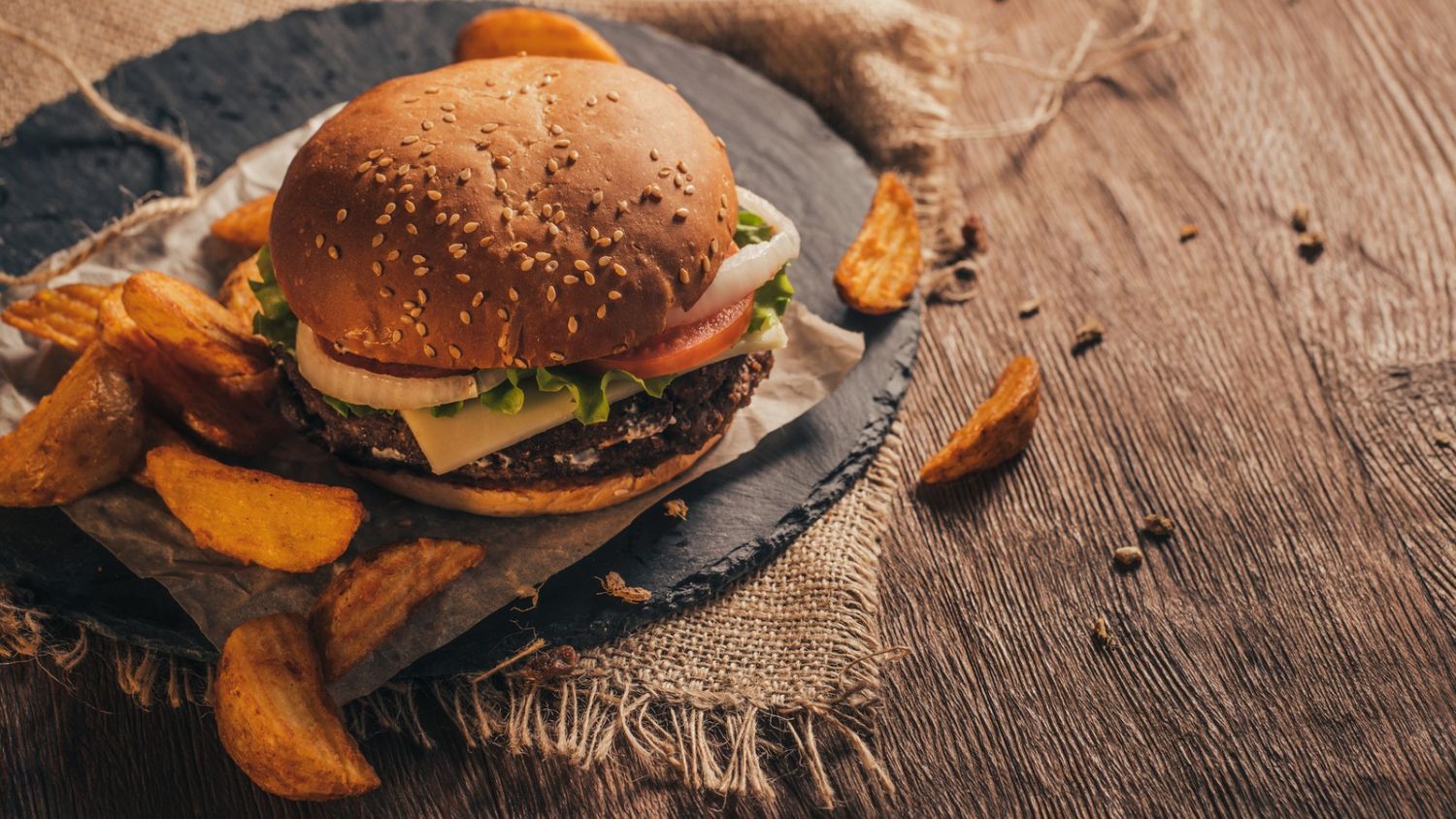
This week’s recipe is my Spiced Turkey Smash Burger with Garlic Sweet Potato Wedges. It’s a satisfying dinner built with lean protein, flavorful seasonings, and nutrient-rich sweet potatoes. It wasn’t created to promise dramatic weight loss. It was created to make a delicious, thoughtfully balanced dinner – because good nutrition should still be something we look forward to.
Ingredients
- 4 oz turkey ground
- ¼ tsp turmeric
- ½ tsp garlic powder
- ½ tsp onion powder
- ½ tsp black pepper
- 1 tbsp parsley chopped
- 1 whole grain bun low sodium
- ½ Sweet potato medium, cut into wedges
- 1 tsp olive oil
Instructions
- Preheat oven to 400°F (200°C). Toss Sweet potato wedges in 1 tsp olive oil and ½ tsp garlic powder. Roast
- for 25 minutes, flipping halfway.
- Mix 4 oz turkey with ¼ tsp turmeric, ½ tsp onion powder, ½ tsp black pepper, and 1 tbsp parsley. Form into a thin patty.
- Heat a non-stick skillet over medium-high heat. Cook the patty 4-5 minutes per side until the center of the turkey burger reaches 165°F (74°C)
- Toast the 1 whole grain bun if desired. Assemble burger and serve with garlic sweet potato wedges.
For additional notes and nutrition facts, please see full recipe here: https://www.recipeshop.net/recipe/spiced-turkey-smash-burger-with-garlic-sweet-potato-wedges
Weight management involves more than the contents of a single plate.
But a delicious, nourishing dinner is still a pretty good place to start.
The Lesson That Took Me Decades to Learn
I don’t think there’s anything wrong with wanting to lose weight or choosing a structured program to help accomplish it.
What I’ve stopped believing is that the newest approach must be better than the last one.
I’m much less impressed by a diet that promises to change my life in 30 days. I’d rather find an approach that still makes sense in five years.
And I’m more interested in understanding the process than chasing the promise.
That feels pretty good.
Let’s Talk:
Have you ever followed a diet that worked initially but was difficult to maintain? What have you learned about the difference between losing weight and keeping it off? And what’s one change you’ve made that you can genuinely imagine continuing for years?