


Why I Read (or Peek at) the Ending
Full confession: I don’t always read every page of the novel I’m reading. Sometimes I flip to the final chapter. Or I’ll skim through a list of names in a mystery novel to see who’s still alive by page 150. (If my favorite character vanishes, I start slowly backing away – emotionally prepared for the worst.)
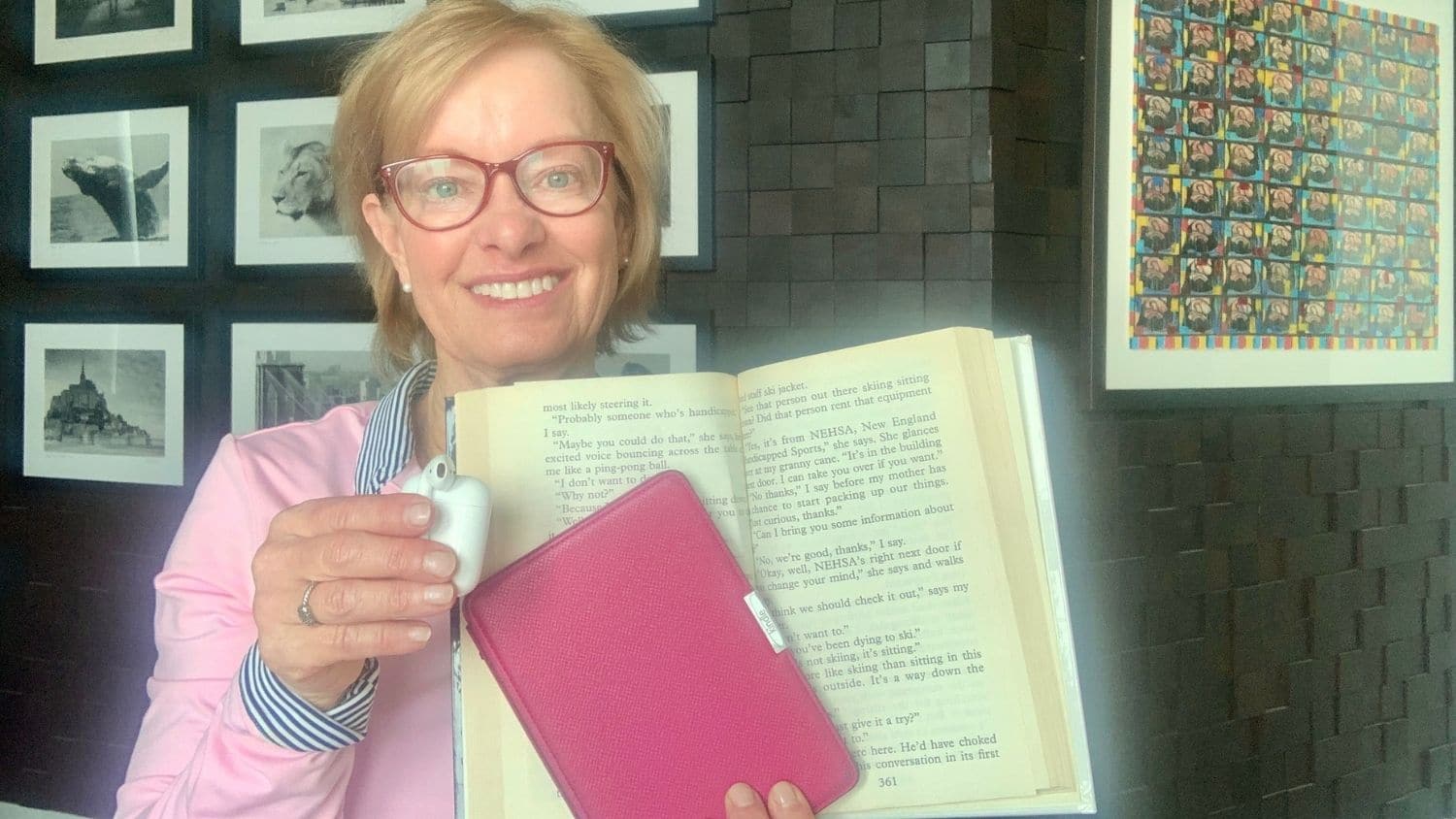
I confessed this habit to my book group, and instead of horror, they cheered me on. Now they even joke, “I’m doing a Sue,” whenever they head straight to the end. It’s become a quirky badge of courage.
Why? Because It Genuinely Makes Us Happier
You know that tremor of judgment: “You spoiled it for yourself!” Well, science says spoiler alerts might actually improve the experience.
Psychologists Nicholas Christenfeld and Jonathan Leavitt tested hundreds of readers with short stories from Agatha Christie, Roald Dahl, John Updike, and others. Some got the full story, others were spoiled first – told the ending in advance. Spoiler alert: the spoiled readers consistently enjoyed the stories more (The Guardian).
They believe knowing the ending increases processing fluency – you understand the narrative better, focus on nuance, and aren’t stuck guessing at plot turns.
Even more, spoiled readers reported greater enjoyment midway through the story – not just after they read the end – suggesting the payoff happens while you’re still immersed.
Another study from the University of Arkansas found that personality plays a role: folks who prefer less intellectual wrestling actually like spoilers. For others, spoilers may reduce the emotional punch – but hey, different strokes for different folks (tandfonline.com).
But For Me, It’s Also About Stress – Good Vs. Bad
There’s “good stress,” the kind that keeps you on your toes, and then there’s “bad stress,” the kind that makes you want to hide under the covers with a pint of ice cream. As a retired elementary school teacher, I got more than my fair share of both.
For over 30 years, my days were a juggling act of lesson plans, classroom drama, and answering the immortal question, “Mrs. S., do you know where my lunch is?” Sometimes I’d be racing through a new 300-page children’s fantasy novel all evening just to prep for the next day’s class discussion. (Yes, I read every word of all seven Harry Potter books the week they were released.) Other times, I was just grateful for CliffsNotes – because when you have 15 books to read in a school year, savoring every twist isn’t exactly an option.
Is Life Too Short?
Now, in my “retired and mostly relaxed” phase, I’m done with cliffhangers that make me lose sleep. I want calm, not cardiac arrest. If that means flipping to the last chapter first, so be it. I’ve traded jump scares for peace of mind – and honestly, it feels pretty great.
And while we’re confessing: I no longer force myself to finish a book I’m not enjoying. When I was younger, I felt duty-bound to read every last word, as if quitting a book was a moral failing. But somewhere along the way, I realized life’s too short for books that don’t speak to me. There’s no extra credit for endurance reading.
Loving reading doesn’t mean you have to savor every plot twist in real time. It means you enjoy books in the way that works best for you—whether that’s slowly turning every page, peeking ahead for peace of mind, or closing the book altogether when it stops bringing joy.
What About the Judgment from Literary Purists?
I’ve taken my share of raised eyebrows. Some people act personally offended, like my peeking ahead somehow ruins their reading experience. But here’s the thing:
- You can enjoy a beautifully written story even if you know how it ends. In fact, you might enjoy it more (see above).
- Not everyone values suspense as the soul of a story. For many – me included – the pleasure lies in the characters, the language, and the journey itself.
- Some readers rely on spoilers as a shield: that emotional cliffhanger can feel like real trauma. It’s not about missing out – it’s about pacing your heart rate.
- My time feels even more precious now than it did before. I’ll even respect you if you stop reading my article right here.
Are you still reading? Thank you for giving me the gift of your time.
A Little Unspoken Solidarity
So yes, I admit it. I don’t always read the ending or check to see if my favorite character survives to the last page – but when I do, it’s a little act of kindness to myself. If that makes the purists cringe, they can skip to their ending. I’ll be over here, reading happily ever after – my way. And hey, if my book group now says “I did a Sue” with pride, maybe there’s a quiet revolution happening. You’re not less of a reader – you’re just reading smarter.
Let’s Have a Conversation:
When reading, do you savor every twist, or do you sneak a peek at the ending like a literary spy? Have you ever quietly judged – or secretly admired – someone for spoiling the ending? Do you ever quit something (not just a book) that isn’t speaking to you, or do you push through no matter what? Do you measure a book by its surprises, or by how it makes you feel along the way?
Tags Books


I easily put down books I’m not into. I do not read endings before I’m at the end.
Beth,
Time is too precious to read something that isn’t “for” you.
Warmly,
Sue
What an interesting topic! One reason I wait for book sales in the opp shop I volunteer in, is that I can usually pick up three great books for $1, so I usually buy around six books for $2. This means I’ve always got a selection of books available depending on my frame of mind.
Ill give a book the first 2-3 pages to speak to me & if it doesnt its back to the opp shop. If im half way through a book & tiring of it a bit, thats when I will have a sneak peak at the end to reassure me its worth finishing ha ha.
I really liked how one lady on here (a teacher) said, “once a book is in our hands its no longer the authors book, its ours. Its not worth reading ‘if it doesnt speak to us’…
When im selling preloved books in the opp shop I have short conversations with others. I often say I go through many books & often dont read them because “life is too short to waste time on books that ‘arent me’.
Tessa,
I love getting books at discounts and often use the public library or borrow from my book club friends instead of purchasing books. I always figured this was becasue I am thrifty, (here’s a link to my article on my NOT cheapness: https://sixtyandme.com/financially-strategic/ ) but maybe I can’t give up on a book if I shelled out $34.99 for it. :)
I love to read how the story ends first, so I know who to root for! I’ve always done this, and I find it a comforting way to read.
Sylvia,
Thank you for understanding my quirk, and even giving me more reasons to continue peeking at the end…
Sue :)
After a few chapters I might need to know how things will end for my favorite characters. Even if things don’t end well for them, I have the whole book to come to terms with it. If I am
enjoying the read, I will continue. If not, I can quit without wondering how it all turned out. Less anxiety and no time wasted.
Vicky,
Well put! I DO need time to come to terms with things. You have put words to my feelings, and that is worth coming to 60 & Me to read the articles and comments.
Warmly,
Sue
ELA teacher here. I also read the ending, then read the book. I tell people that I want to know where I’m going. That lets me slow down and savor the book, instead of rushing thru. I told my students that once a book is in our hands, it ceases to be the author’s book, and it’s OUR book. We are in charge of how we approach the story. We find ourselves. There’s such freedom in that.
.
Claudia,
You have been able to express my intent in writing this article even better than me, the author! I appreciate you, and I feel understood. You must be a marvelous teacher. (Now if only the Facebook commenters on 60 and Me would stop being so instensely upset with my article, I’d feel better. :)
Warmly,
Sue