


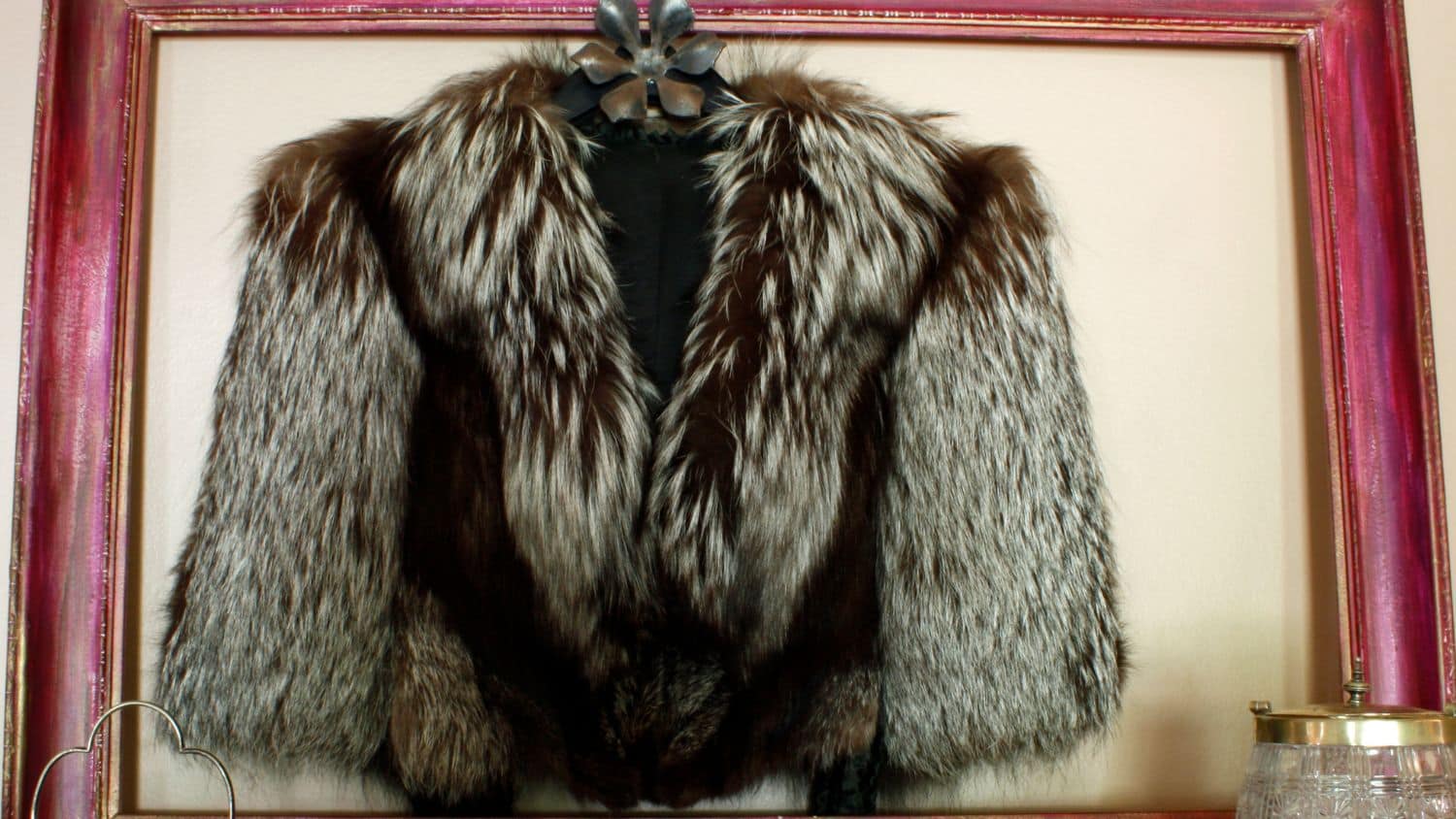
How to Sell an Inherited Fur Coat with Confidence – and Without Guilt
An inherited fur coat is rarely just another item of clothing. It may bring back the image of your mother dressing for a special evening, your grandmother arriving for a holiday dinner, or an aunt whose style filled every room. Even the lining can unlock forgotten memories.
You may admire it but know you will never wear it. It may not fit, suit your lifestyle, or make sense in your climate.
Selling the coat does not mean selling the memory. It means deciding whether the garment itself still has a place in your life. If it does not, finding someone who will appreciate and wear it can be a respectful next chapter.
Here is how to approach the decision calmly, protect yourself during the sale, and let go of the fur without feeling that you are letting go of the person you loved.
Begin with the Family, Not the Marketplace
Before looking for someone to sell it to, ask whether another family member truly wants the coat. Take several photographs, send one message to the appropriate relatives, and give them a reasonable deadline to respond.
“Maybe someday” can leave you storing it indefinitely. If no one wants to take possession, you can move forward, knowing everyone had an opportunity. Before it leaves the family, photograph the coat, label, and monogram. Record who owned it and where she wore it for future generations. A photograph and short history may hold more meaning – and take less space – than an entire garment.
Identify What You Have
Many inherited coats date from the 1960s through the 1990s, when fur garments were often carefully constructed and sometimes custom-made. The label may identify a respected local furrier, but it may not name the fur itself. Mink, beaver, fox, Persian lamb, raccoon, rabbit, and sheared varieties can be difficult for a non-specialist to distinguish.
Do not guess based only on color or softness. Dyes, shearing techniques, and age can change a fur’s appearance. A knowledgeable fur buyer or furrier can often identify the fur, approximate its age, assess the styling, and spot visible condition concerns from good photographs.
Be cautious with the word “value.” An old appraisal, original receipt, or family story about cost does not establish today’s resale price. Replacement, retail, sentimental, and secondhand values are different. An expensive coat may bring a modest offer because demand, sizing, condition, and fashion have changed.
Look at Condition Honestly
Condition is usually more important than age. A decades-old coat that was professionally stored may be more desirable than a newer coat kept for years in a warm attic or damp basement.
Without pulling or stretching it, look for obvious concerns. Is the fur supple or brittle? Are the cuffs, pockets, shoulders, or collar thinning? Is the lining stained or torn? Is there an odor? Are the closures intact?
Do not tug on the pelts to “test” them; fragile skin may tear. Never put fur in a washer, dryer, cedar chest, or direct sunlight. Ask a fur specialist before paying for cleaning or repairs, which may cost more than they add to an offer.
Honesty protects both you and the buyer. Photograph any damage rather than hiding it. A reliable buyer will appreciate an accurate description, and you reduce the chance that an offer will change after inspection.
Take the Right Photographs
You do not need to model the coat. Place it on a broad hanger against a plain door or wall in natural light. Avoid filters or photographs taken inside a dark closet.
Take clear pictures of:
- The entire front, with the coat closed
- The entire back
- The lining
- The manufacturer’s or furrier’s label
- Any worn, stained, thinning, or damaged areas
Include the size. If there is no label in the lining, you can guesstimate Small, Medium, Large, or X-Large. If you know the size of the person wearing it, or who wore it in the past, that works too.
Choose the Buyer Carefully
Read recent independent reviews and confirm that the buyer regularly deals in pre-owned fur.
Mano Swartz Furs was established in 1889. Our family has worked with fur garments for four generations, and we understand that an inherited coat is often part of a family’s story.
Ask several direct questions:
- Will the offer change after the buyer receives it?
- Under what circumstances could the offer change?
- Who pays for shipping?
- Is the shipped tracked?
- When is payment issued after the coat arrives?
- Which payment methods are available?
- What happens if the buyer declines the coat after inspecting it?
Keep the answers in writing. Avoid anyone who rushes you, refuses to explain the process, or requests unusual upfront fees.
Get a Realistic Evaluation
At Mano Swartz Furs, our evaluation identifies the likely fur, considers its visible condition, and provides a clear offer if the coat is eligible. We respond the same day.
You are not obligated to accept an offer. If the amount surprises you, ask how it was determined. Condition, size, style, brand, demand, and resale costs may all matter.
Request a second opinion if the coat appears exceptional or has a notable designer label. For a potentially rare piece, consult a qualified vintage-fashion specialist or appraiser.
The best offer is not automatically the highest number. Consider the terms, shipping protections, and buyer’s payment record.
Decide Without Guilt
You may hear an internal voice saying, “She treasured this,” or “What if I regret it?” Give yourself time to separate the person from the possession.
Ask yourself:
- Will I realistically wear this coat in the next two years?
- Is another family member prepared to take it now?
- Does keeping it bring comfort, or does it create guilt and another obligation?
- Would I feel good knowing someone else is wearing and appreciating it?
Keeping, selling, donating, repurposing, or passing it to someone you love can all be reasonable. Choose what respects the garment’s history and your present life.
If you are not ready, wait. An evaluation provides information without forcing a decision. You remain in control until you accept the terms and ship the coat.
Ship It Safely
If you accept our offer, we provide a free FedEx shipping label. If you do not have a printer, we can send a FedEx QR code that can be scanned at a participating location to print the label.
Other buyers may proceed differently, so make sure you are well acquainted with the procedure.
Empty the pockets, do not send garment bags or hangers. Then put in any sturdy box.
Confirm tracking and insurance before handing it over. Keep the carrier receipt, photographs, offer, and correspondence until payment clears.
Confirm Inspection and Payment
When the coat arrives, we promptly review it and contact you if anything materially differs from the photographs. If the condition is excellent, we issue payment within two business days. Payment choices include PayPal, electronic or paper business check. Choose the method you prefer.
Check with your buyer about their issue of payment. Make sure you know when and where to expect it.
Save the payment record. If administering an estate, keep it with the estate documents and ask an appropriate professional about recordkeeping.
If Selling Is Not the Right Choice
A low offer does not make the coat worthless. A furrier may transform it into a jacket, vest, throw, pillow, collar, or keepsake. A theater company, fashion program, museum, or charity may accept it; call first.
You can also keep it. Fur needs cool temperatures, appropriate humidity, room to breathe, and protection from heat and light. A fur-storage facility can explain costs and care.
Whatever you choose, remember that your relationship with the original owner is not hanging in the closet. The stories, traditions, lessons, and love you inherited cannot be sold or given away.
Letting a coat move on can be an act of practicality and respect. You are not erasing its past. You are allowing the garment to be useful again while keeping the part that matters most – the memory.
Join the Conversation:
Do you resell clothes you no longer use but are in good condition? Have you inherited garments – such as a fur coat – from a relative?



Thanks for the information ~ good points to consider ~