7 Simple Fitness Habits That Make Day-to-Day Living Easier After 60
You’re not falling behind if you notice, for example, that it takes slightly more effort to climb stairs with a laundry basket. Or if pushing yourself up from a low seated position requires more effort. These are little moments that we all experience.
These are gentle nudges from your body and mind, letting you know that you would benefit from using it more. These gentle nudges are coming at a good time. You don’t need an expensive or complicated fitness routine to benefit from some self-improvement and better daily living. You can add just a few simple habits to your routine.
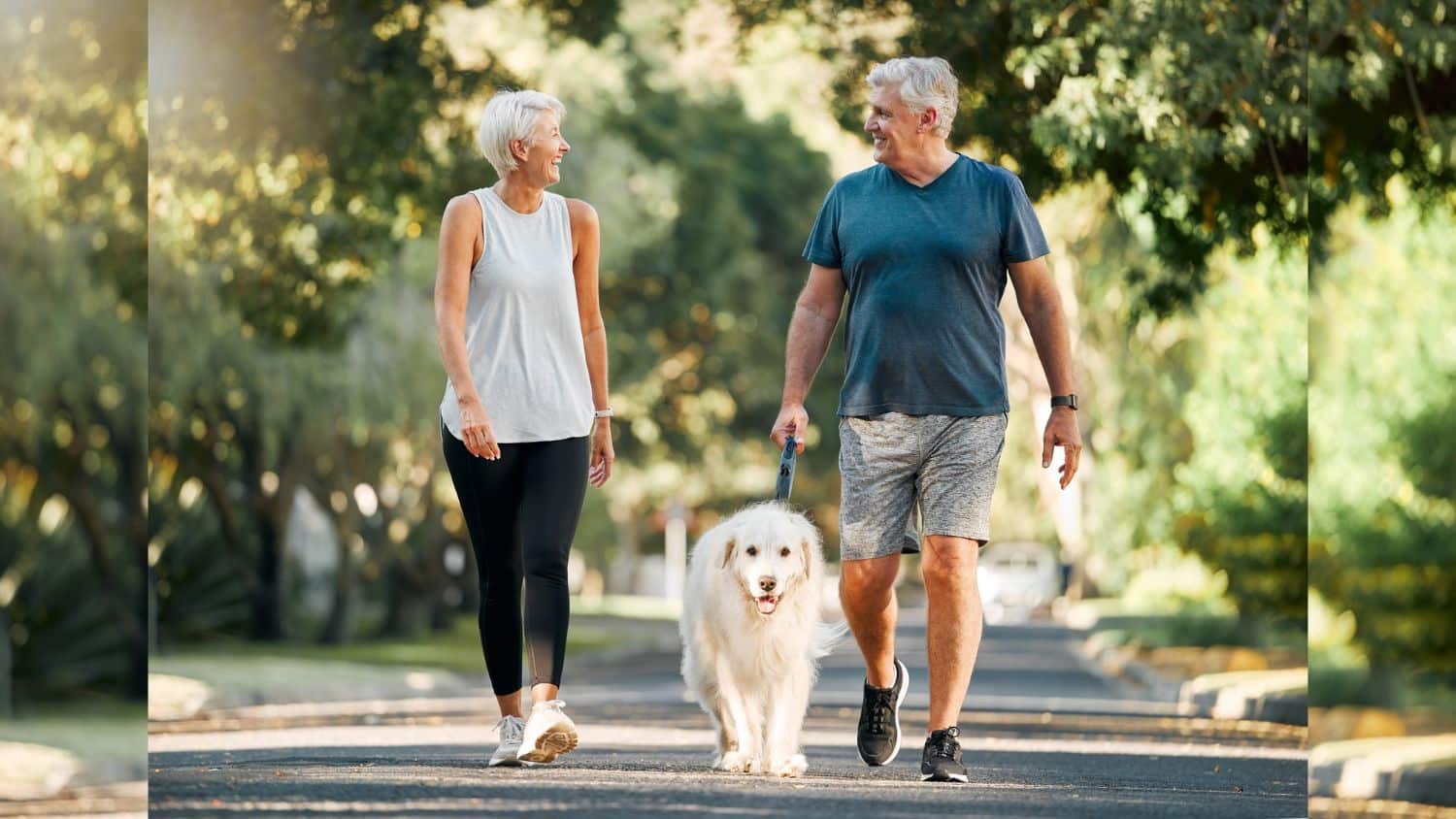
1. Walk Every Day
You can start with walking and incorporate it into your daily routine. A short, easy-to-accomplish 10-minute walk after breakfast or a stroll around the block after dinner all count towards your daily goal.
You can work up to longer walks if you feel able to and it’s doable.
2. Do Easy Strength Training
Imagine how easy it would be to stand up from the dinner table, or to pick up a bag of groceries with strong legs and arms. Easy strength training does just that.
There are lots of ways to do easy strength training at home. Sit and stand from a chair, or lean against a wall and do push-ups. Do easy bicep curls by using soup cans. Aim to do easy strength training 2-3 times per week.
3. Practice Your Balance
You probably don’t think about your balance, that is, until you need it. Think about stepping onto a curb. Or reaching for the top shelf. The need for balance is all around you, and with practice, you can become better at it.
Try standing on one foot while brushing your teeth. You can always rest your hand on the counter for support. Heel-toe walking is also a good way to practice balance. Just walk the length of a hallway in that fashion, and do it as many times as you want.
4. Stretch in the Morning
A lot of us feel stiff in the morning. Stretching is a good way to combat that. Along with improving flexibility and ease of movement, it has many other benefits and feels good.
You can sit if standing is too uncomfortable. Some seniors prefer it. Sitting gives you better control over your movements. There are many options, including leg lifts, torso twists, and bends. Hold stretches until you feel mild discomfort.
5. Move More Throughout the Day
The idea here is to practice getting up and moving about and breaking up long bouts of inactivity. Sitting for too long is not good for you either. It can lead to stiffness.
Make a conscious effort to move more throughout the day. Stand up during commercials, walk around while talking on the phone, and take the long way to the mailbox. Do these things even if it doesn’t feel like “exercise.”
6. Aim for Consistency, Not Perfection
If some days you’re feeling full of energy and other days you feel unmotivated and lethargic, that’s totally fine. For the days when you don’t feel like doing anything, try taking a short walk to clear your mind.
It’s better to do a short workout on a tired day than to skip exercising altogether, because you can’t do a long workout. Missing a few days of exercise won’t undo all the progress you’ve made, so you can pick up where you left off the next day.
Small workouts done consistently will yield greater fitness benefits than an occasional perfect week.
7. Give Your Body Time to Rest
Recovery is just as important as working out. Muscles get stronger while they rest, and older bodies may need more time to recover. Listen to your body, and if you feel too sore or too fatigued, take an easy day.
Get enough rest, drink enough water, and rest when you feel you need it.
A Few Safety Reminders
Make adjustments to anything here to better accommodate yourself. If you feel discomfort during an exercise, stop and/or reduce the intensity.
Keep a sturdy chair or countertop nearby for balance during exercises that require you to stay stable with one leg.
If you have any medical conditions, are taking medication that affects your balance, or have recently been inactive, talk to your doctor or physical therapist to see what’s safest for you to try first.
Stop what you’re doing and get medical attention if you experience any of the following: dizziness, lightheadedness, chest pain, and/or shortness of breath.
Final Thoughts
You don’t need to do all seven at the same time. In fact, please don’t do that.
Pick the one that seems the easiest to you and do that for a few weeks until it’s second nature. Then add another.
It’s OK to go at your own pace. You may be surprised to find that taking the stairs isn’t so bad or that it’s not as hard to get up from your chair. A little movement and kindness go a long way to help your body carry you for a long time.
Time to Chat:
What movements do you find the hardest to do? Do you find ways to still do them, more slowly, or do you skip them altogether?