


Winter Hiking: Essential Tips for Active Adults Over 50
Remember those childhood winter days when fresh snow meant endless possibilities? That same magic awaits on winter trails, and with proper preparation, hiking in the winter months can be both safe and invigorating. Whether you’re an experienced hiker or just starting out, winter hiking offers a unique way to stay active and embrace nature’s quiet season.
Trekking Poles: Your Best Winter Companions
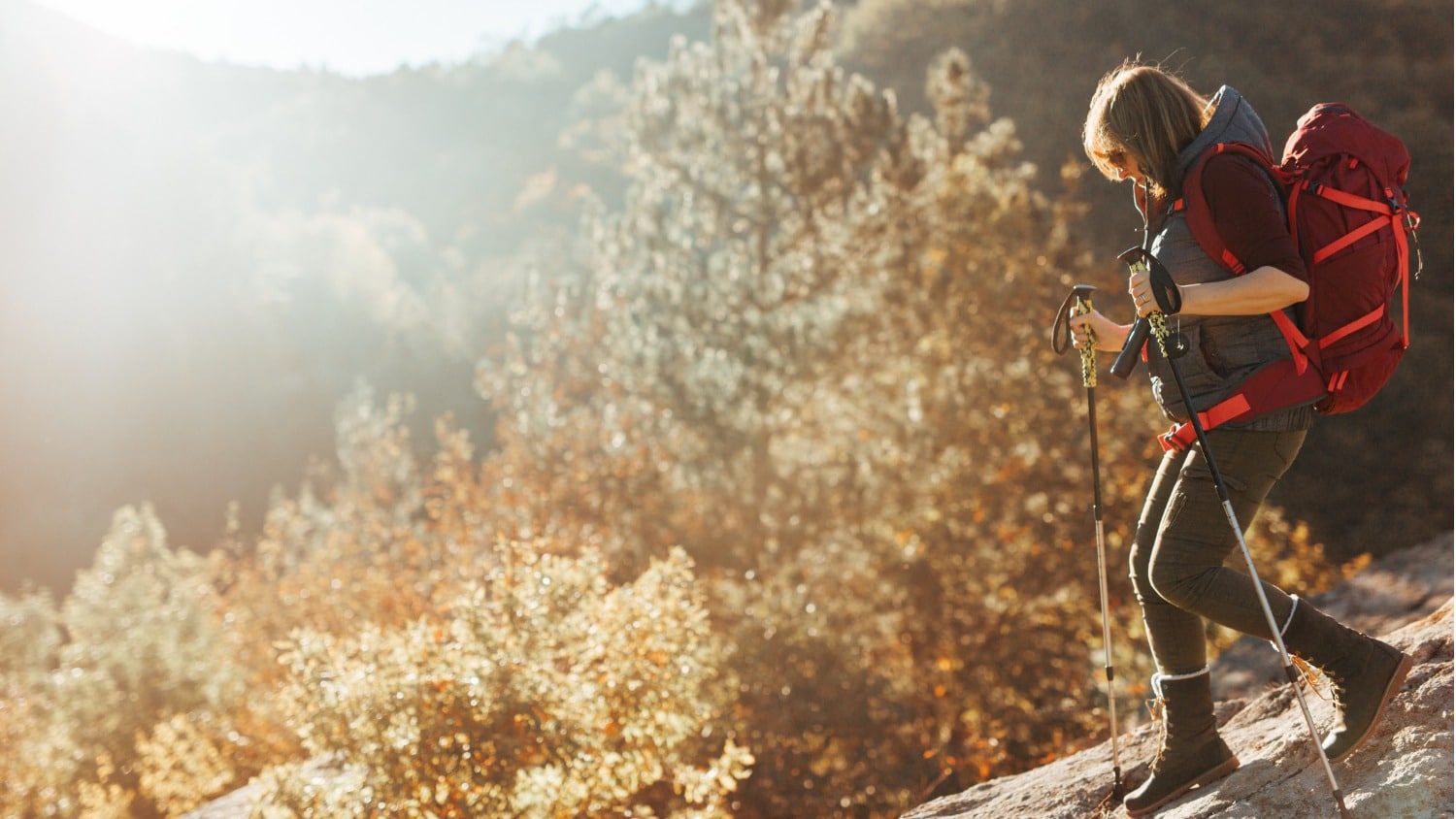
Your stability and confidence on winter trails start with proper equipment. Trekking poles provide essential support and balance, particularly important when navigating snowy or icy conditions. Think of them as your winter walking partners – always there to provide an extra point of contact with the ground.
Choosing Your Poles
When selecting trekking poles for winter hiking, consider:
- Adjustable height mechanisms that work in cold weather.
- Comfortable grips with wrist straps.
- Winter baskets to prevent sinking in snow.
- Durable materials that handle cold temperatures.
Check out the Ultimate Trekking Pole Guide from Born Wild Live Free for more expert tips on choosing the perfect poles.
Winter Hiking Techniques with Poles
- Shorten poles slightly for uphill climbs.
- Lengthen for downhill sections.
- Plant firmly with each step on icy terrain.
- Use poles to test snow depth before stepping.
Essential Winter Gear
The Layer System That Works
Base Layer: Choose moisture-wicking materials like merino wool or synthetic fabrics. These keep moisture away from your skin, preventing that uncomfortable clammy feeling.
Mid Layer: Your insulation layer. Fleece or wool provides warmth without bulk. Consider a vest for core warmth while allowing free arm movement.
Outer Layer: Your shield against wind and precipitation. Look for waterproof, breathable materials with ventilation options.
Winter Footwear Essentials
- Insulated, waterproof hiking boots with room for thick socks.
- Gaiters to keep snow out.
- Microspikes or similar traction devices for icy conditions.
Pack Essentials
- Emergency shelter (lightweight emergency blanket)
- Headlamp with fresh batteries
- Basic first aid supplies
- Fire starter
- Navigation tools
- Extra food and water
- Hand/toe warmers
- Spare gloves and hat
Trail Safety: Making Smart Choices
Before You Step Out
- Check detailed weather forecasts.
- Share your route with a trusted contact.
- Start early to maximize daylight.
- Choose familiar trails for winter exploration.
Five Winter Trails Worth Discovering
- Acadia National Park, Maine [Ocean Path Trail (2 miles)]
- Rocky Mountain National Park, [Colorado Bear Lake Trail (0.8 mile loop)]
- Yosemite National Park, [California Lower Yosemite Falls Trail (1 mile loop)]
- Mt. Rainier National Park, [Washington Nisqually Vista Trail (1.2 miles)]
- Great Smoky Mountains, [Tennessee/North Carolina Laurel Falls Trail (2.6 miles roundtrip)]
Managing Winter Conditions
Temperature Control
Start your hike feeling slightly cool – you’ll warm up quickly once moving. Adjust layers before sweating becomes uncomfortable. Keep spare layers dry in waterproof bags.
Hydration and Energy
- Carry water in insulated containers.
- Pack easily accessible snacks.
- Eat and drink regularly, even if not thirsty.
- Keep snacks from freezing in outer pockets.
Emergency Preparedness
Carry basic survival essentials:
- Fully charged phone in an inner pocket
- Basic first aid supplies
- Emergency shelter
- Fire starting materials
- Navigation tools
Groups and Solo Winter Hiking
Hiking Partners
- Join local hiking groups
- Find experienced winter hikers
- Maintain visual contact
- Share emergency gear responsibilities
Trail Navigation
- Use visible trail markers
- Learn winter landmark identification
- Carry multiple navigation tools
- Know your turnaround time
Also read, Exploring the Great Outdoors: 10 Best Hiking Apps.
Equipment Care
Pre-Hike Checks
- Test gear functionality
- Check weather seals
- Verify battery levels
- Inspect trekking poles
Post-Hike Care
- Dry equipment thoroughly
- Clean pole mechanisms
- Check for wear
- Restock supplies
Conclusion
Winter hiking transforms familiar trails into wonderlands of solitude and beauty. With proper preparation and respect for conditions, you can safely enjoy these serene moments. Remember:
- Master trekking pole usage
- Layer appropriately
- Carry essential safety gear
- Make conservative decisions
- Turn back when needed
Let’s Have a Conversation:
Have you gone winter hiking? Where? What precautions did you take? Would you recommend winter hiking to others?
Tags Hiking


If you like hiking in winter, come to Austria! Near Vienna (easily accessible by public transportation) is the Vienna Woods, with forest trails and beautiful views from low mountaintops. Finish the day at a rustic hut for simple meals, soup, or mulled wine.
We hear Austria is wonderful. We have been to Switzerland and Germany but Austria is on the list for sure.