


A Grand Hodge-podge of Book Recommendations
If you’ve been reading my recent book comments, they have been gathered by genre or category. I don’t read that way, it’s what the library can deliver when. These are the remainder books, not fitting neatly into a category. Almost all good reads. The McEwen book deserves special attention because of the engaging dystopian/contemporary plot device. It takes a while to get the rhythm but is worthwhile.
The Correspondent by Virginia Evans (Crown, 2025)
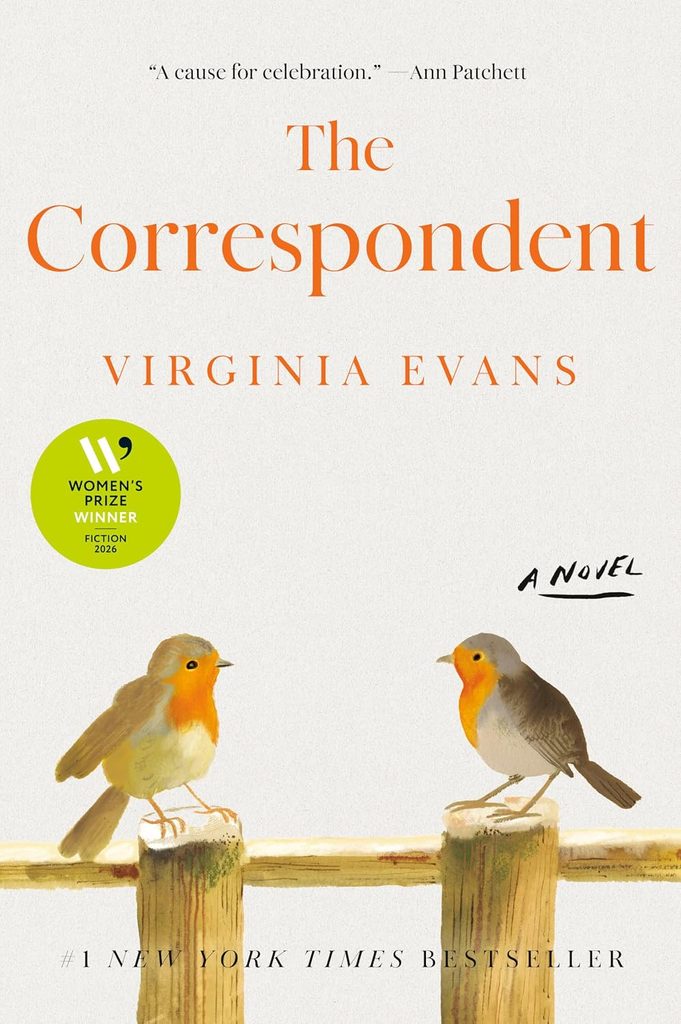
An engrossing read! Written as letters to and from the main character, Sybil Stone Van Antwerp, the novel races through the last years of a woman confronting her past and her future. Once started, I could not put it down. The only false note was a romantic interest from Texas. But that’s me nitpicking … enjoy this book.
Elizabeth and After, by Matt Cohen (Vintage Canada, 2000)
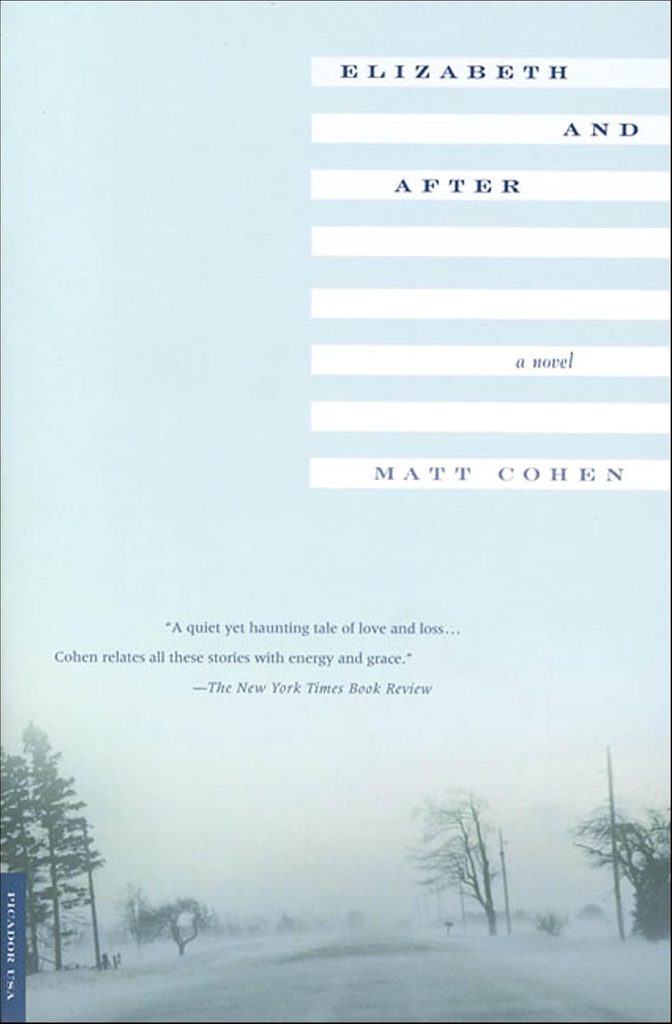
Oh, not to live in Northern Ontario in a town with about 600 citizens, some with a story to tell, most just living. The first 30 pages of this novel are great, involving one of the central, though rather silent characters who confronts old age, depression, and alcohol by executing an Evel Knievel stunt that leaves him glowing with satisfaction. Would that the other characters exhibited such verve, but they are Canadians known more for their silent resignation.
This is a family story: Elizabeth is the wife/mother who finds significant satisfaction in extramarital sex. She dies in a New Year’s Eve auto accident; her drunken son is the driver. Flashbacks drive the plot, so you learn the sources of angst as you read. I enjoyed the book – a winner of the Canada Governor General’s Award for Fiction.
Theo of Golden by Allen Levi (Atria, 2023)
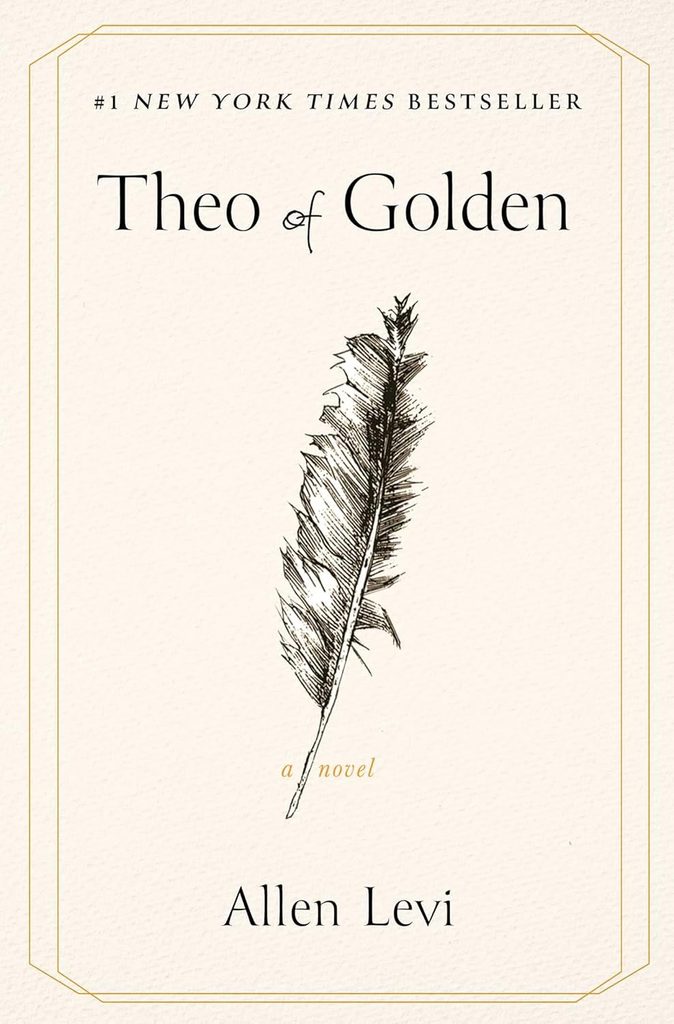
A heartwarming book about a refined old man whose mysterious appearance in a southern U.S. town begins to change the nature of relationships among certain citizens. The local coffee shop features unidentified pencil portraits of locals that are for sale to anyone. Some are claimed and purchased, others adorn the walls for months or years. Theo begins to purchase the portraits and gifts them to the portrayed in return for learning their stories.
So begins the unraveling of buried memories of fear, love, and shattered dreams. Theo is a perfect confessor, as he swears secrecy. But the sharing of these tales causes action, and reaction. A good read.
Summers in Squid Tickle: A Newfoundland Odyssey by Robert Finch (W. W. Norton, 2025)
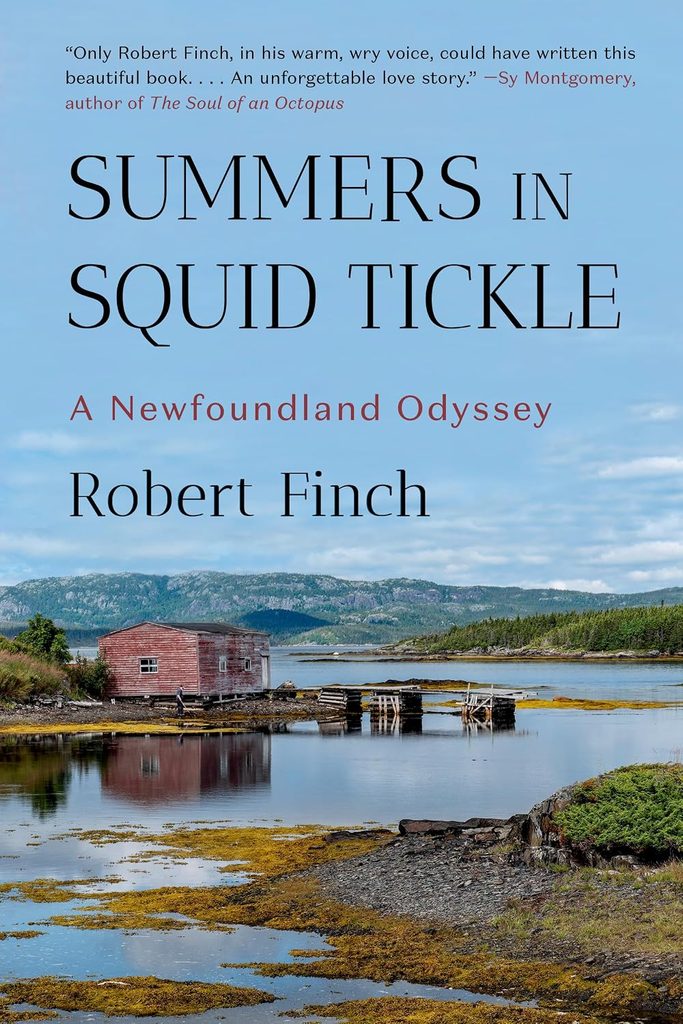
A beautiful memoir of summers in Squid Tickle by nature writer Robert Finch. He died in 2024, shortly after completing the book. A tickle is a short, narrow salt-water strait or channel of flowing water – often between two islands or connecting an inlet to the open sea. Talk about a remote summer retreat – Squid Tickle has only 50 residents and is a one-hour ferry ride from the mainland. Finch humanizes the impact of the lost cod fisheries, the departure of young people, and the faint hope for increased tourism to sustain the residents. Good read.
The Ten-Year Affair by Erin Somers (Simon & Schuster, 2025)
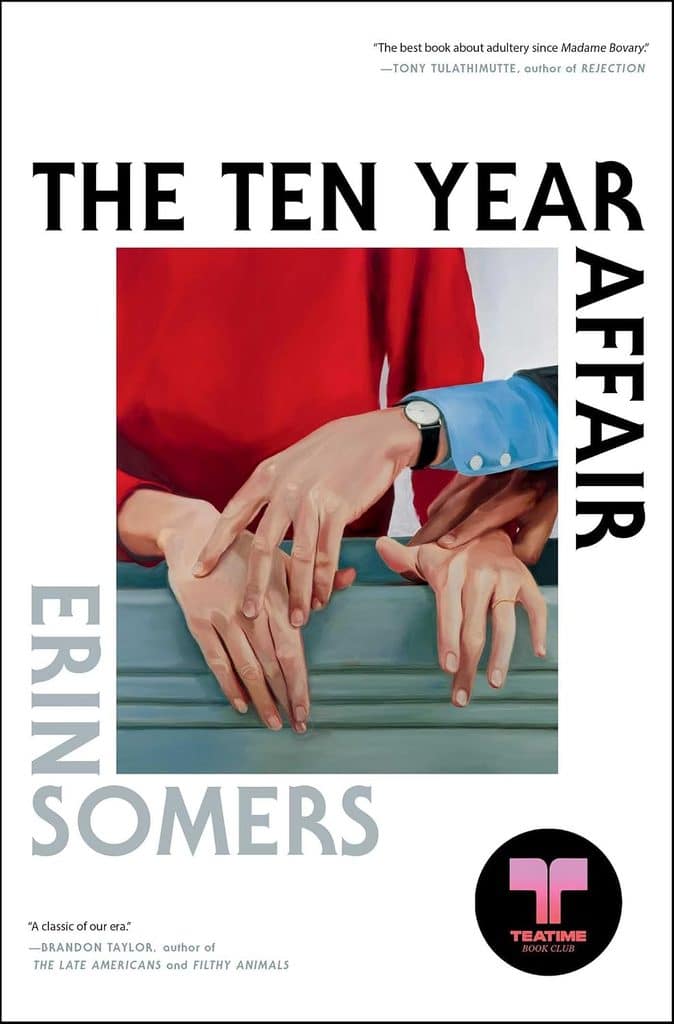
Perhaps I didn’t read this book in the right frame of mind, or I’m too old to enjoy the hilarity described by reviewers. I found the book flat. The characters never mature; they are dull to begin with and dull at the end. I can’t say the protagonist, Cora, lacks imagination, as the plot develops in both her real and imagined worlds, sometimes reversing one another. For me, it was a quick, easy read. Though I might have missed several layers of hidden development.
One of Us by Elizabeth Day (Viking, 2025)
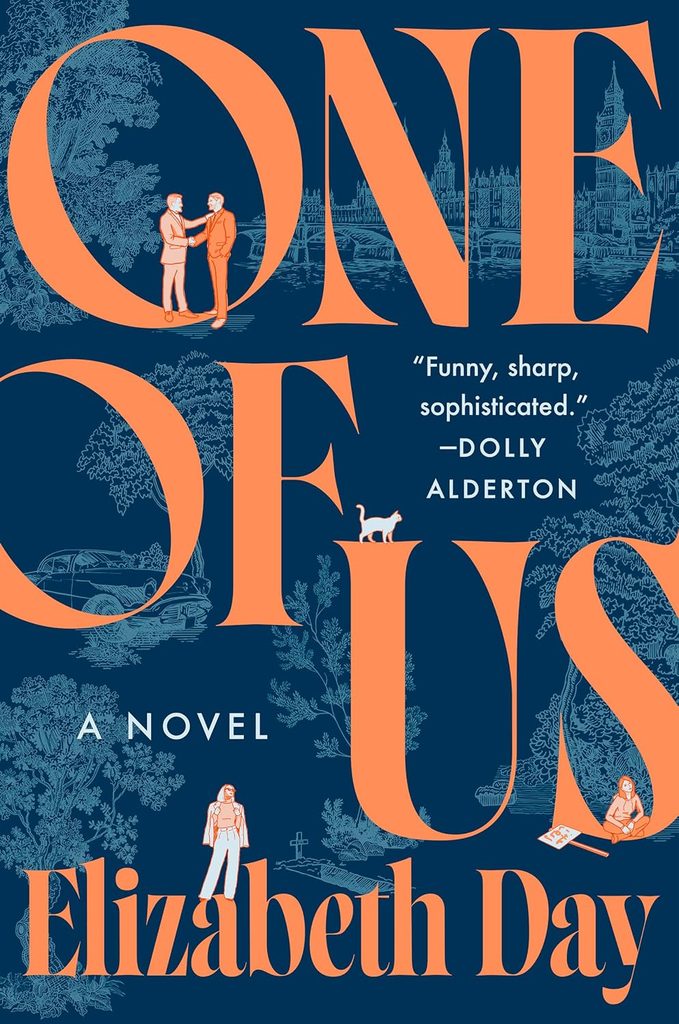
An enjoyable read – nothing earth-shattering. It’s a contemporary political tale set in the UK that uses the tropes of class, youthful radicalism, and female insecurity. You won’t learn anything new, but the writing is seductive and effortless.
What We Can Know by Ian McEwan (Knopf, 2025)
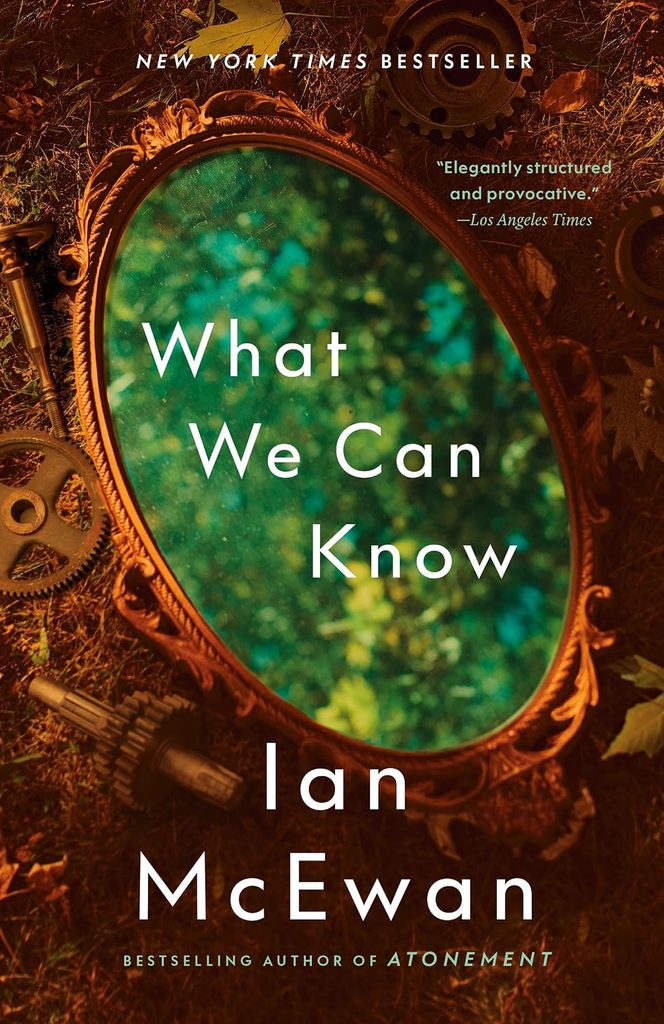
It takes a while to get into the rhythm of this book. It’s dystopian, set 100 years into the future, looking back at events in the first quarter of the 21st century (2000-2025). I enjoyed our 22nd century colleagues and their stories of the Derangement resulting from centuries of ignoring the effects of climate change, and the Inundation of 2042 when colliding nuclear warheads sent tsunamis of such force, they left Britain an archipelago of islands. The protagonists from the future study our era with wistful envy. A good and enlightening read. McEwan has such an imagination!
Yellow Earth by John Sayles (Haymarket Books, 2020)
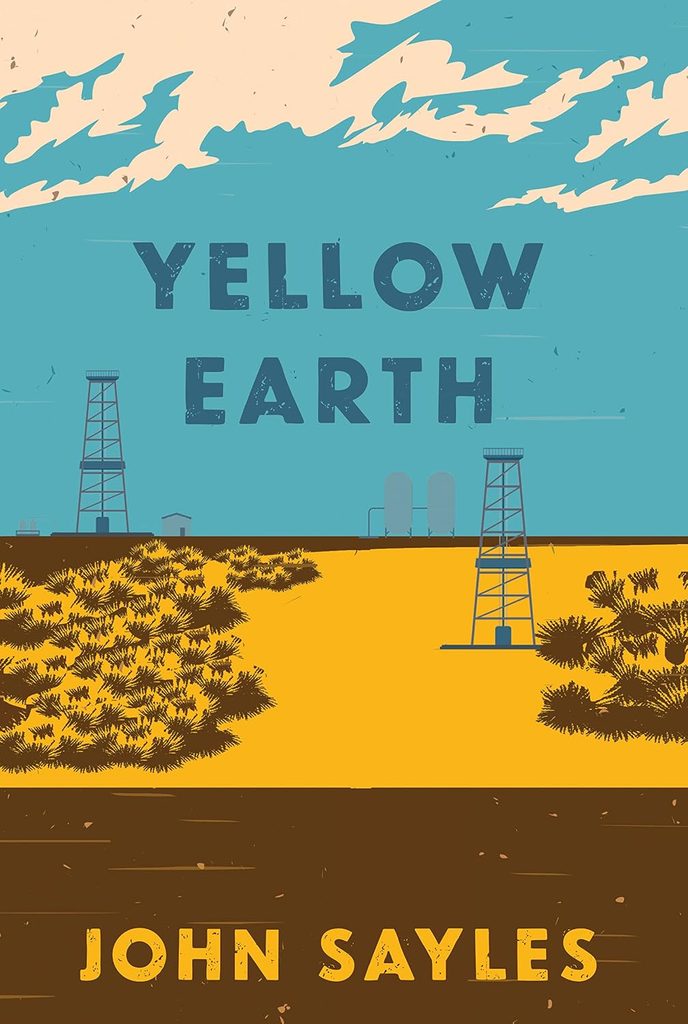
Get a glimpse into the hellish environment of fracking towns. For characters, there are speculators, profiteers, criminals, locals, and hard-workers looking to make good money. Cast among these rough and readies is a young college researcher studying prairie dog communities. How’s that for outlandish? Yes, the dogs live in the fields torn up by drilling machines. There are too many plot lines, but if you think of the book as a mini-series, they make sense. Evidently, all the outlandish characters are based on what happened in the Bakken oil fields of North Dakota. An okey read.
Let’s Talk Books:
What are you currently reading? Do you stick to one genre or prefer variety?
Tags Books


