What to Do with the Clothes You’re Emotionally Attached to
Most of us have a few pieces of clothing we can’t seem to let go of. Maybe it’s the dress you wore to your daughter’s wedding. The coat you bought on a memorable trip. The sweater that belonged to your mother. The jeans you wore constantly during a particular happy time in your life.
You may not wear these clothes anymore. Some may no longer fit. Others may be hopelessly out of style, slightly damaged, or completely impractical, and yet, every time you clean out your closet, you put them right back.
There’s nothing unusual about this. Clothing is deeply connected to memory, identity, and emotion. We remember where we were, who we were with, and sometimes even how we felt when we were wearing certain pieces.
The question is not, “Do I wear this?” Sometimes the better question is “Why am I keeping this?” Once you know the answer, deciding what to do with it becomes much easier.
First, Figure Out What the Clothing Represents
Before deciding whether something should stay or go, take a moment to understand why it matters.
Does it remind you of a person?
A period of your life?
A younger version of yourself?
An achievement?
A place you loved?
Some clothes are meaningful because of the garment itself. Others are meaningful because they represent a memory we are afraid of losing. That distinction matters.
If you are keeping a blouse because it reminds you of your mother, for example, that does not mean you should get rid of it. It simply means you can make a more conscious decision about what you want to preserve.
Keep a Few Things Simply Because You Love Them
Not everything in your home needs to be useful. If you have a dress that makes you smile every time you see it, you can keep it even if you never wear it again. The problem usually begins when one sentimental dress turns into three boxes of clothing that have not seen daylight in 20 years.
Give yourself permission to keep the pieces that truly matter while being more selective about the rest. You might create one designated memory box or closet section for sentimental clothing. Once that space is full, you know you have reached your limit. That can help you keep meaningful items without allowing nostalgia to take over your entire wardrobe.
Take a Photo Before Letting Something Go
Sometimes the memory matters more than the physical object. Before donating or giving away a sentimental piece, photograph it. You can photograph the garment on its own, or better yet, find an old photograph of yourself wearing it.
Create a digital folder called something like “My Favorite Clothes” or “Memory Wardrobe”.
You could even add a short note about each piece.
“Wore this dress to my 40th birthday dinner.”
“Bought this scarf in Paris with my sister.”
“This was mom’s favorite jacket.”
A photograph takes up almost no physical space but can still bring back the memory, and in some cases, you may realize that seeing the photograph is enough.
Wear It Again… and See How it Feels
Some sentimental clothes are hiding in closets when they could still be part of your life. Try them on.
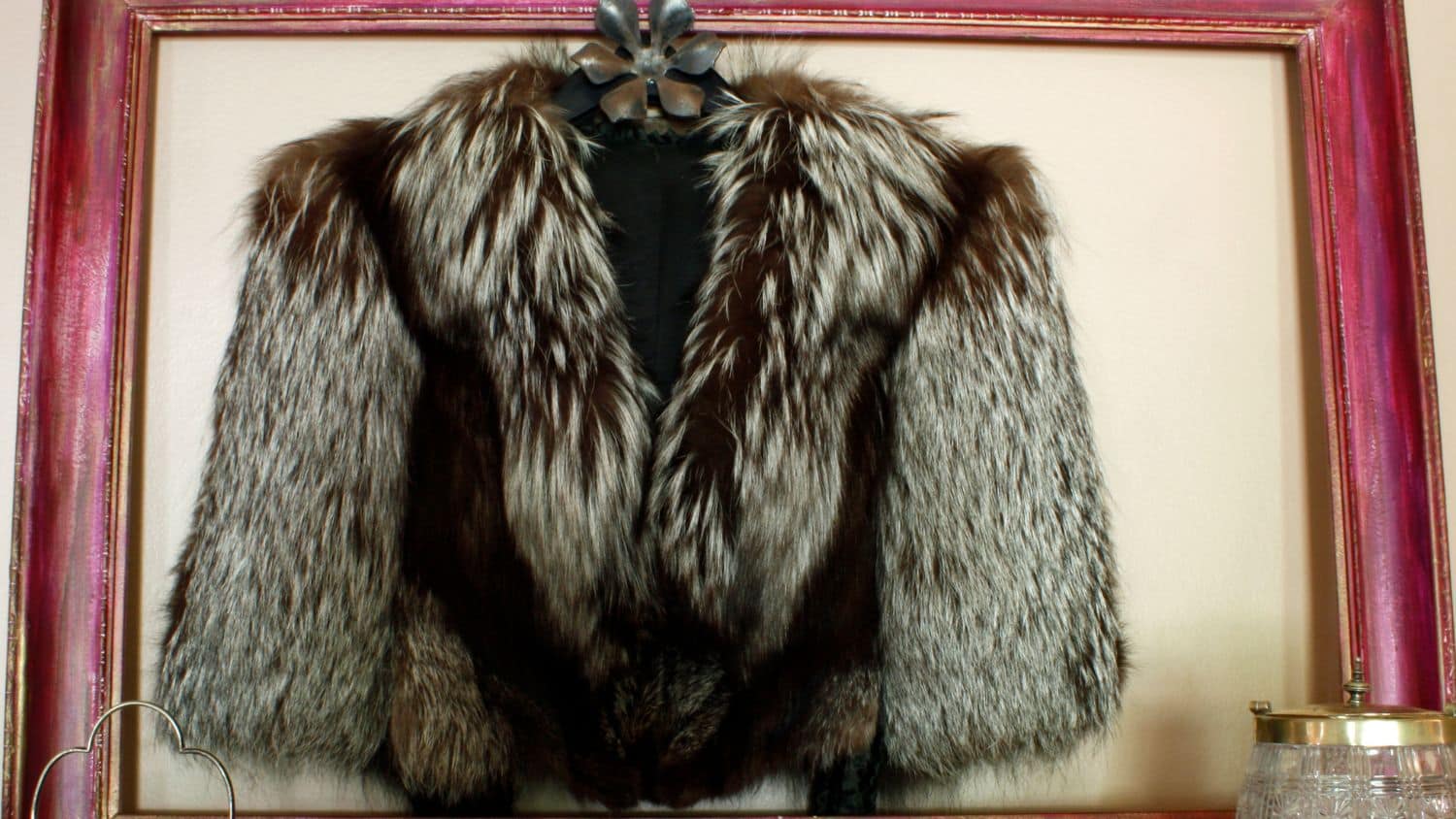
That vintage jacket you have been saving might look fantastic with jeans. Your mother’s silk scarf could work beautifully with a simple white shirt. An old evening bag might feel surprisingly current again.
We sometimes treat sentimental clothing like museum pieces when there is no reason why we can’t enjoy them. If something fits and still suits your style, consider putting it back into rotation.
Alter or Repurpose
If you love the fabric or memory but no longer like the garment, consider changing it. A long dress could become a blouse or skirt. A beautiful but damaged scarf could be framed. Fabric from several meaningful pieces could be made into a cushion or a quilt.
You don’t have to turn everything into a craft project, of course. But for particularly meaningful pieces, repurposing can give them a new role in your life. It may also make it easier to let go of the idea that an item must remain exactly as it was in order to preserve the memory.
You may find this article helpful: Wardrobe Treasures Turn into New Furniture Look.
Pass it Down to Someone Who Wants It
Family heirlooms can be lovely, but only if the next person actually wants them. Before announcing that your granddaughter will someday inherit your 1987 cocktail dress, ask her. She might adore it. She might politely wonder where she is supposed to wear it.
If someone in your family genuinely loves a piece, passing it along can be a great idea. You can also tell them the story behind it so the meaning travels with the garment. But remember, don’t try to turn sentimental clothing into an obligation. A memory can be precious to you without becoming someone else’s responsibility.
Donate Something That Deserves Another Life
Some clothes are difficult to release because they once made us feel beautiful, confident, or important. That can make donating them feel almost disrespectful. Try looking at it another way.
If your beautiful dress has been sitting unworn in your closet for 15 years, perhaps someone else would enjoy it now. Special-occasion clothing, coats, handbags, and good-quality professional clothes can be especially useful to charities, resale organizations, or community groups.
A friend of mine volunteers with Dress for Success, a nonprofit organization that helps women work toward economic independence by providing professional clothing and employment support. If you have good-quality professional clothing that no longer suits your life, donating it to Dress for Success can be a meaningful way to help another woman prepare for work or a job interview.
Instead of thinking “I am getting rid of this,” think “Someone else gets to wear this next.” That small change in perspective can make letting go much easier.
Be Careful with Clothes That Represent Your Former Body
This one is a doozy! Many women keep clothes that no longer fit because they hope to wear them again someday. I’m guilty of that. One or two pieces may be motivating or meaningful, but an entire closet full of size small clothes can become something else entirely. It can turn your wardrobe into a daily reminder of a body you used to have. Remember, your closet should work for the person you are today.
If you’re keeping something because you sincerely love it, that is one thing. If you’re keeping it and it makes you feel guilty every time you see it, it may be time to reconsider.
Do Not Confuse the Clothing with the Memory
This may be the most important part. Getting rid of a dress doesn’t erase the wedding. Donating a coat doesn’t erase the trip where you bought it. Letting go of your mother’s sweater doesn’t mean letting go of your mother. We sometimes give objects more responsibility than they deserve.
The memories are yours. You can keep the stories, photographs, and feelings without keeping every physical reminder. And sometimes releasing the object makes the memory feel lighter rather than less important.
There Is No Rule That Says You Have to Let Everything Go
Minimalism can sometimes make people feel as though every unused possession represents failure. It doesn’t. Your home is not a showroom, and your closet doesn’t have to contain only practical items. Sentimental clothes are part of many people’s personal histories. The goal is simply to make sure you are keeping things intentionally rather than automatically.
Keep the wedding dress if you love having it. Keep your father’s old sweater. Keep the ridiculous jacket from 1985 that still makes you laugh. Just make sure the clothes you are saving still bring something positive into your life.
Because eventually the best wardrobe isn’t necessarily the smallest one. It’s the one filled with clothes that either serve your life today or remind you of something worth remembering.
Read more: The Clothes You Keep for “Someday”, And Why It Might Be Time to Let Them Go.
Let’s Have a Conversation:
Do you have clothes you cannot bring yourself to part with? What makes them special to you? Have you ever donated something sentimental and later regretted it, or were you glad you finally let it go? Tell us about it in the comments below.