


10 Steps to Bridging the Generational Divide
Do you remember when we thought we had all the answers and authority figures were the enemy?
During our youth, we believed the future was ours for the taking. In fact, a widespread belief amongst our generation was that no one over 30 could be trusted.
While authority figures were adamant we were getting it all wrong, we were convinced they were the ones who had life backwards.
Where did these beliefs come from? Why was there so much tension between our generation and those that came before us?
Without having a clue as to what was transpiring, our generation and those who came before us were unsuspecting test subjects for the Disengagement Theory.
You may not have heard of this theory, but it has had an enormous influence on how the media intentionally creates a growing divide between younger and older generations.
In our previous article and video in our series on, “The Invisible Customer with All the Money®”, we looked at what this theory is and where it originated. In this article and accompanying video we will now explore how the Disengagement Theory ignited generational warfare and what we can do to end it.
If you have missed the previous installments, you can find them here:
#1: 7 Steps to Reclaim Your Power from the Media
#2: Aging Stereotypes: Can You Be More Feeble?
#3: 10 Steps to Influence Yourself from Within
#4: What Makes Your World Go Round After 60?
#5: 10 Steps to Unleash Your Inspired Voice After 60
#6: 5 Steps for Taking Back Control of Our Choices from the Media
#7: 10 Steps to Re-Engage with Life After 60
A Mutual Agreement to Sever Ties
Social scientists Elaine Cumming and William Henry put forth their groundbreaking Disengagement Theory in 1961. At the heart of this theory is an assumed mutual agreement between the aging population and the youth, in which they are severing ties.
When this theory is put into practice, you will see a decrease in positive storylines of 60+ consumers in the media or any relatable likeness to them. Simultaneously, you will see a rise in positive portrayals of the youth in everything from movies, television, and music to media advertisements of all kinds.
Take our generation, for example.
High Hopes of a New and Better World
From television and movies to magazines and billboards, reflections of our youthful exuberance, bright future, rebellious nature, and creative determination was staring back at us everywhere we turned.
While we were flexing our economic muscles and spreading our wings of potential, authority figures in the 60s and 70s were seeking to derail our high hopes of a new and better world.
Although I do not think Cummings and Henry had any intention of bringing about generational warfare, I do believe some in the media saw their theory as a basis for generating huge profits through the intentional creation of social chaos and generational divide.
This growing divide between generations continues to this very day.
A Growing Divide
How often have you found yourself believing media stories that tell us today’s youth are lazy, reckless, and unwilling to accept life as they are told it is?
Do you feel some sense of animosity towards the youth because they are routinely the positive focus of advertisements, movies, and television shows?
In my research on this subject, it was eye-opening to see the negativity spewed between younger generations and older generations, particularly on social media channels.
The youth blame us for the sad state of the world while older generations shame and blame the youth for their beliefs and behaviors.
Where can we individually close the gap of this growing divide between our generation and those who came after us?
Bridging the Generational Divide
To bridge the generational divide and put an end to generational warfare requires first and foremost that you develop a healthy self-image for yourself. This goes back to daily practices of self-love and self-care.
From that place of self-love, you can begin building positive inter-generational relationships. Here are 10 effective steps to help you achieve this:
Open-Minded Listening
Listen without immediate judgment. Use empathy as a means to understand that younger generations face similar challenges to you, but their experiences today are different from those of previous generations.
Share Wisdom, Not Advice
Rather than give advice and judge harshly, share personal stories, wisdom and experiences that are uplifting and relevant. This allows younger people to draw their own conclusions and insights.
Learn Together
Seek out ways you can engage with younger people via inter-generational projects where you both can learn from each other.
Embrace Technology
Allow younger people to introduce you to the latest technologies or trends. It’s an excellent way for you to bond and understand each other’s worlds.
Respect Boundaries
Acknowledge differences. Recognize and respect that younger people might have different priorities, values, or boundaries.
Avoid Patronizing
Avoid language or behaviors that might come off as condescending or dismissive.
Challenge Stereotypes
Actively challenge any preconceived notions about younger generations and encourage them to do the same with you.
Promote Positive Representation
Share and celebrate stories of younger women and men who defy negative generational stereotypes.
Engage in Shared Activities
Discover shared hobbies or interests and engage in them together, whether it’s a book club, cooking classes, entertainment, sports or fitness activities.
Encourage Open Dialogue
Promote honest, vulnerable conversations. Create safe spaces for open-hearted dialogue about generational differences, misunderstandings, and shared experiences.
Adaptability and Respect Are Key
The world is continuously evolving, and some of these changes will not sit well with you. Be open to changing views and understanding societal shifts that may not have worked for you when you and I were young but it does for today’s younger generations.
Adaptability, openness, and respect are key to strengthening inter-generational relationships.
By focusing on shared experiences and celebrating differences, we can build meaningful connections and play a pivotal role in bridging the generational divide.
I invite you to join me in the video above where I share additional insights to help you integrate what you are learning into your daily life.
Let’s Have a Conversation:
Have you noticed a generational divide in your close relations? Is it similar to how it was when you were young? How are you bridging the generational divide?
Tags Empowerment

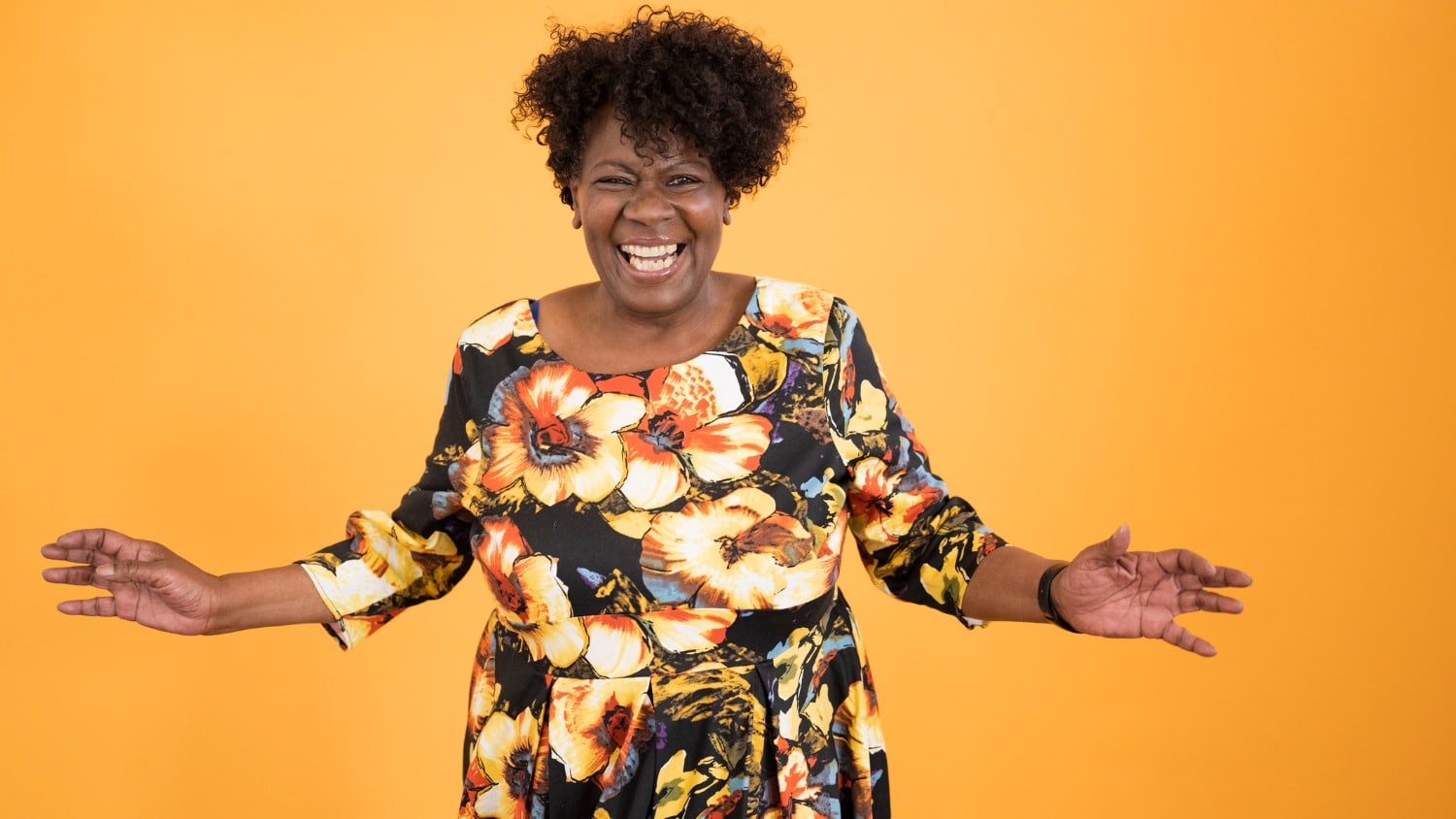

Relax and have fun, share laughter and giggles, ask them for advice instead of vice versa! Talk to the young people you see in everyday life. Don’t be afraid to open the conversations. Don’t stare down at your phone — look up up and around !
I’m 71 and pretty sure authority figures are the enemy.