


Which Table Are You Sitting at After 60? Rethinking Community in a New Chapter
Based on our many conversations with women over 60, a quiet theme keeps emerging.
After a big life change, retirement, relocation, or both, many expected community to feel easier. With more time and fewer obligations, connection seemed like it would naturally follow.
Instead, many women tell us they were surprised by how confusing community felt in this stage of life.
This is not something women often say out loud.
What Women Over 60 Often Share
In conversations, emails, and comment threads, women over 60 describe a similar experience.
They attend events. They join groups. They show up with openness.
Yet relationships often remain polite rather than deep. Invitations do not always follow. Familiar faces stay familiar, but closeness feels slower to arrive.
Many women ask the same question: Why does community feel harder now, not easier?

A Metaphor Women Keep Coming Back To
When women describe what they are experiencing, many naturally reach for metaphors.
One that comes up often is the idea of tables.
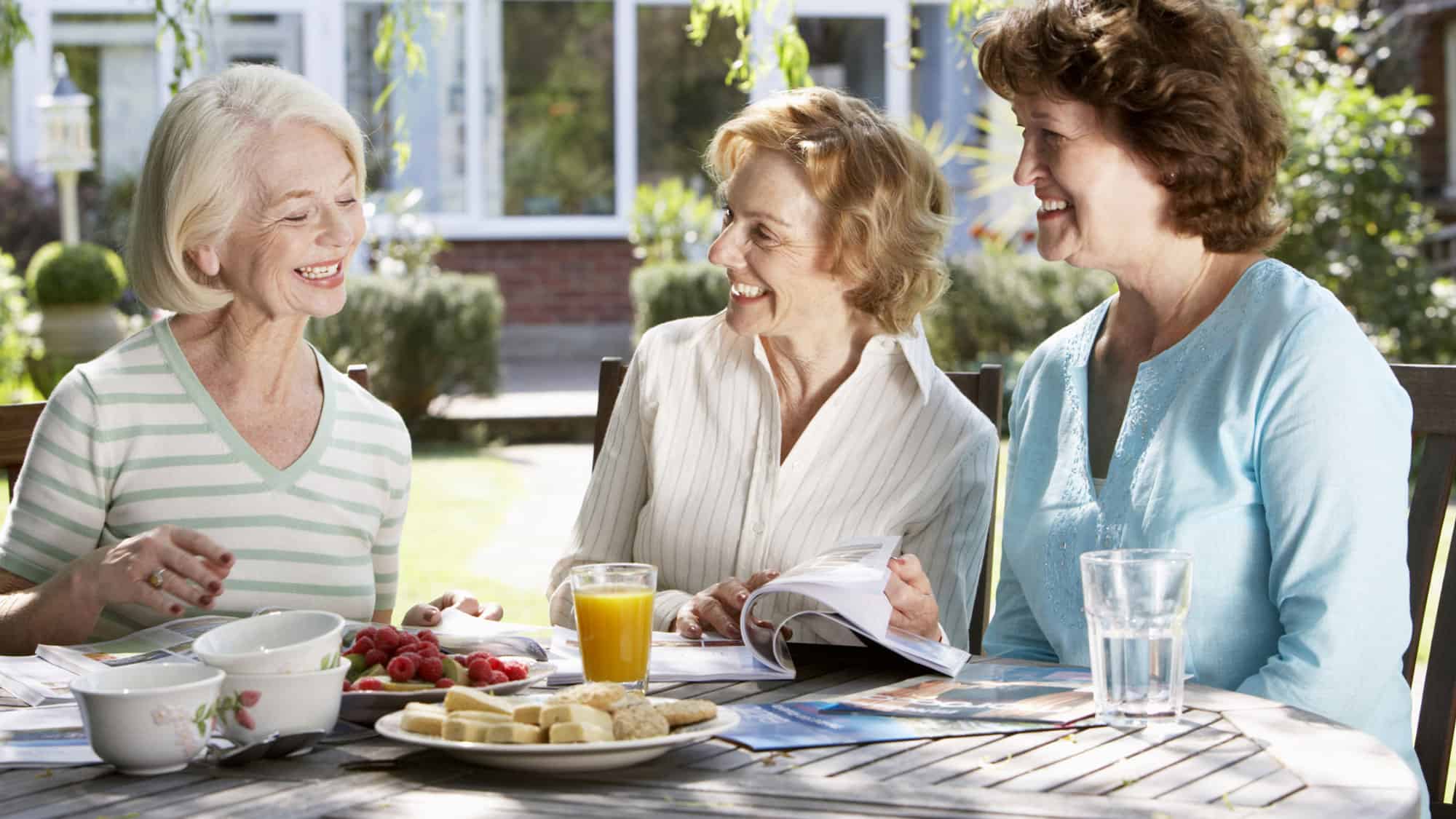
They describe walking into a room that looks full. Everyone is seated. No one appears excluded. Yet the tables rarely mix.
This image resonates because it removes blame.
People are not rejecting one another. They are sitting where it feels natural based on energy, comfort, health, and timing.
How Rhythm Changes After 60
Women often tell us that age brings changes they did not anticipate needing to explain.
- Energy feels different.
- Sleep patterns shift.
- Evenings feel shorter.
- Noise becomes more tiring.
- Comfort matters more.
None of this feels dramatic. It simply feels real.
Several women shared that they no longer enjoy late nights or busy spaces the way they once did. Others spoke about feeling more selective, not less social.
Many said the change felt misunderstood, even by themselves.
The Tables Women Describe Sitting At
When women talk about where connection does happen, certain patterns repeat.
- Morning coffee meetups
- Walking groups
- Learning environments
- Volunteer settings
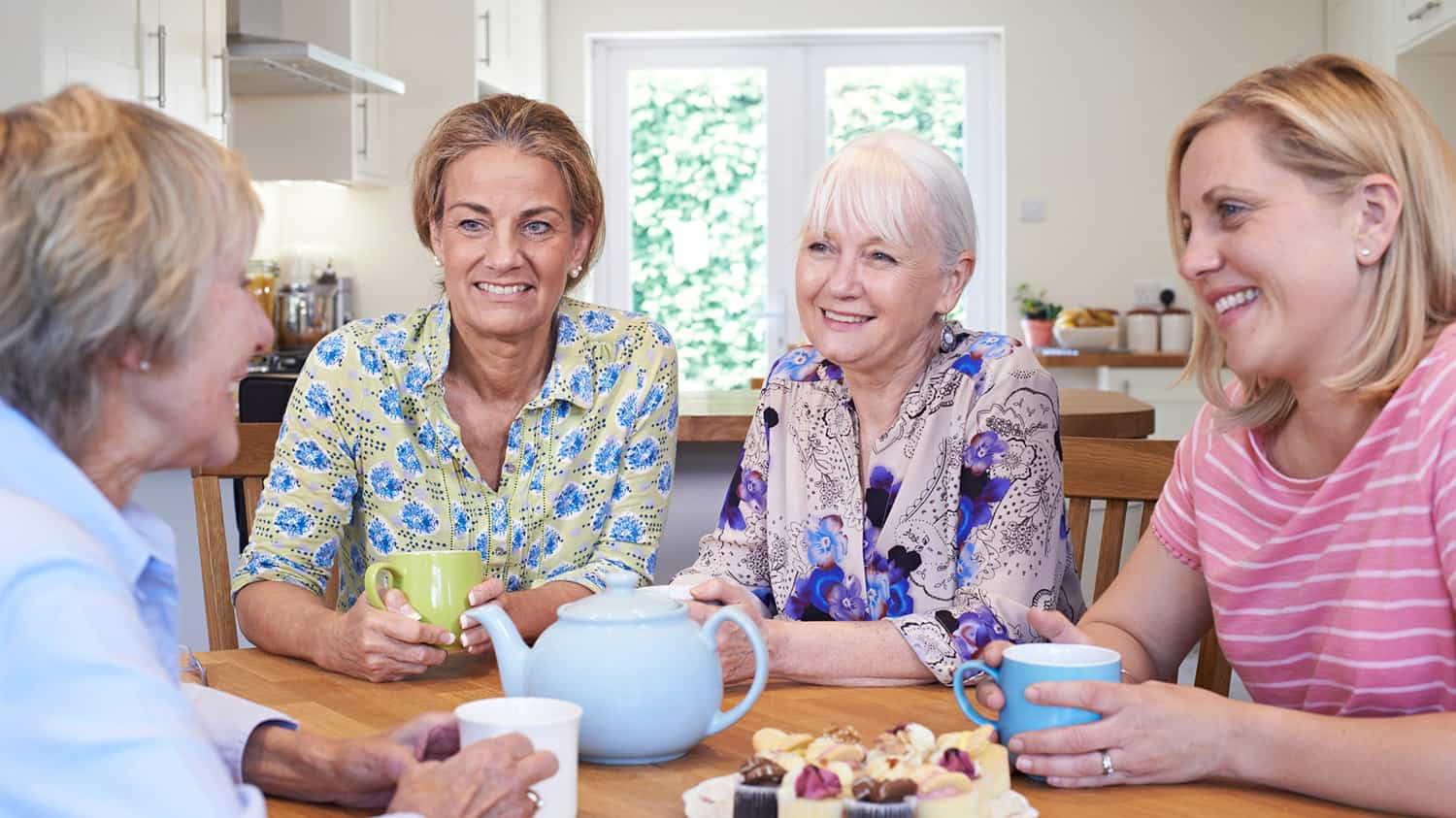
- Quiet lunches with one or two people
These spaces tend to feel calmer and more predictable. Conversations go deeper. Familiarity builds slowly but steadily.
Several women noted that these tables are sometimes dismissed as “small” or “limited,” even though they feel deeply satisfying.
Why Other Tables Can Feel Out of Reach
Women also describe watching other tables from a distance.
- Younger people gathering later in the day
- Faster-paced conversations
- Shorter visits
- More movement
Many women said this felt less like exclusion and more like living on a different clock.
As one woman put it, “They’re not avoiding me. They’re just awake when I’m not.”
The Emotional Layer Many Women Carry

A recurring theme in these conversations is self-questioning.
- Am I doing something wrong?
- Should I be trying harder?
- Why does this feel harder than it used to?
These thoughts often appear quietly. Women rarely frame them as loneliness. They frame them as confusion or disappointment.
Several women shared relief simply in hearing that others felt the same way.
What Women Say Helps Most
When asked what made the biggest difference, women rarely mention trying harder. Instead, they talk about letting go of pressure.
- Letting go of the idea that community should look a certain way.
- Letting go of the belief that visibility equals connection.
- Letting go of comparing their rhythm to someone else’s.
One woman said, “The moment I stopped judging my preferences, things softened.”
Where Tables Naturally Overlap

Women also shared moments when connection crossed age or lifestyle boundaries.
- Volunteering
- Art or writing classes
- Language learning
- Walking and wellness activities
- Mentoring and teaching
These settings focus on shared purpose rather than energy level. Many women said these were the spaces where conversation felt easiest and most genuine.
How Women Are Redefining Community
In these conversations, women consistently describe a shift in how they define belonging.
Community is no longer about being busy.
- It is about being known.
- It is about one or two people who notice your absence.
- It is about comfort without performance.
- It is about steadiness rather than expansion.
Several women said they stopped asking, “How do I join more tables?” and started asking, “Which table actually fits me right now?”
A Gentle Reframe Many Women Find Helpful
The goal is not to sit at the busiest table.
The goal is to sit at the table where you feel at ease.
Women shared that giving themselves permission to choose comfort changed how they experienced this chapter of life.
Not smaller.
More intentional.
A longer reflection on expat community by age explores how timing, work, and life stage quietly shape belonging for people living abroad.
A Closing Reflection

This stage of life is not about proving relevance.
It is about honoring rhythm.
As many women told us, community did not disappear after 60. It simply became more specific. And that specificity felt like clarity, not loss.
Let’s Have a Conversation:
Have you found your community after 60? Is it different than your previous community? Does moving to a different location interfere with creating a community?
Tags Friendships

Taken from article above… “Yet relationships often remain polite rather than deep. Invitations do not always follow. Familiar faces stay familiar, but closeness feels slower to arrive.” This is exactly how I view/experience things… I am concerned. I do not want to end up a… lonely old lady.
Mari, your concern makes complete sense. Many people carry that same fear but hesitate to name it. Wanting connection does not mean you are destined for loneliness. It means you are aware, reflective, and still reaching. What you’re experiencing is a slow season, not a final outcome. And you are not the only one standing in this place.
Thank you Jim, your words feel comforting.
Thank you for a great article. I appreciate the “tables” that perfectly describe my feelings of finding myself retired and in a new city. I met some acquaintances but nobody who I could call and invite to coffee or wine. I did try. Eventually it’s gotten better, with newer relocations.
Joan, thank you for saying this so honestly. What you describe is far more common than people admit, especially during that in-between stage where faces are familiar but invitations have not yet formed. You did nothing wrong by trying. The fact that it slowly improved with newer relocations says a lot about timing and shared beginnings, not about your worth or openness.
“Letting go of the idea that community should look a certain way.” You sure can’t go home again. You can create a new community. There is a wonderful group in the US called “Finding Female Friends” that I recently joined. community.fff50.org is the website.
Everyone is so friendly and eager to meet new people.
Thank you for sharing this, Janel. I love how you framed it, especially the reminder that community does not have to look like the past to be real or meaningful. Groups like the one you mentioned matter because they show how intentional connection can grow later in life. I appreciate you adding such a practical and hopeful example to the conversation.
Can really relate to this article. Thank you for making me feel normal. Age 76.
Anna, I’m really glad you shared your age. Feeling this way at 76 is not a failure or a flaw, it’s a very human response to change and transition. You are normal. Many people feel this quietly and never say it out loud. Thank you for letting others know they are not alone.
Very good article. I am living in Denmark, and we have so many places according to interest to go to, but as mentioned I have found it difficult to find new friends that fit me. However, I have got 2 new friends one very compatable, the other we enjoy knitting together. I cannot imagine that it is easier living abroad. Why? I bet it is most related to luck and perhaps openness to other people that at first don’t seems to fit. Thanks again.
Thank you, Annette. Your comment captures something very real, especially the mix of effort, openness, and chance that seems to shape friendship at this stage of life. I appreciate your honesty about how even in a place with many opportunities, finding the right fit can still be challenging. Your experience with knitting and compatible friendships is a beautiful reminder that connection does not have to be broad to be meaningful.