Is Wine Really the Retirement Treat We Think It Is? 7 Lessons I Learnt After Quitting at 63
Towards the end of my corporate career, I used to spend quite a lot of time dreaming about my retirement.
I had a very clear picture in my mind.
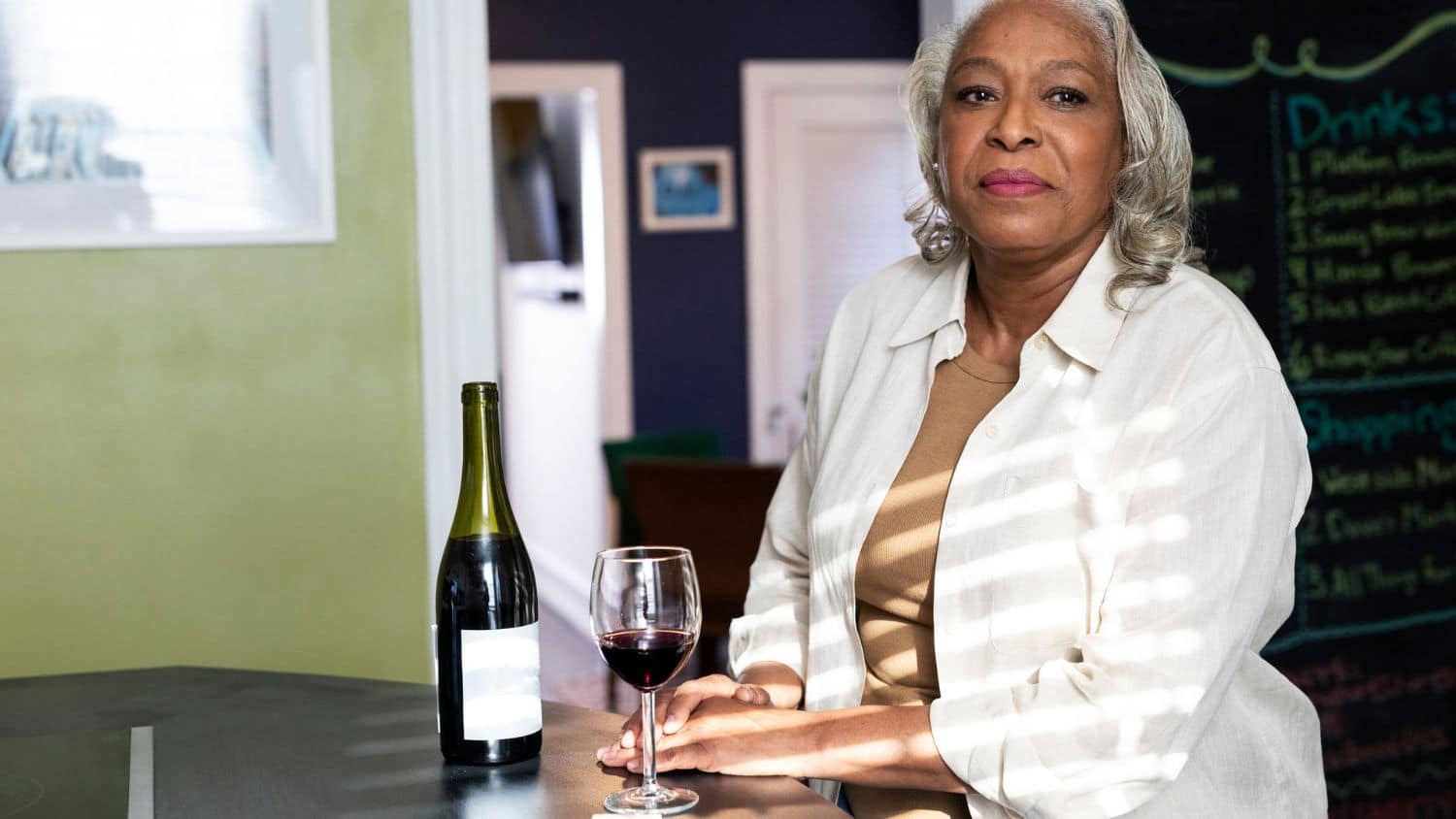
There I was, sitting in a beautiful garden, reading a good book, with a large glass of chilled white wine beside me.
No meetings. No deadlines. No demanding colleagues. Just peace, sunshine and a lovely glass of wine.
Does that sound familiar?
For many of us, wine has become part of the retirement dream.
After decades of working, raising families and juggling responsibilities, surely we’ve earned the right to relax and enjoy ourselves?
But here’s a question I’d like you to consider.
What if that lovely glass of wine is actually preventing us from enjoying the retirement we’ve worked so hard for?
It’s not a particularly popular question, I know!
I certainly wouldn’t have welcomed it when I was approaching retirement. Back then, I considered wine to be one of life’s small pleasures.
But at 63, I finally stopped drinking after decades of consuming far too much of it. What happened next completely changed my understanding of alcohol, ageing and what it means to enjoy life.
Today, at 75, I’m living a very different retirement from the one I imagined.
I’ve founded an international sobriety community, started a podcast and written my first book.
Here are seven things I wish I’d understood about drinking before I reached my 60s:
1. You Don’t Have to Hit Rock Bottom to Question Your Drinking
For years, I reassured myself that I couldn’t possibly have a drinking problem. I had a successful career, a lovely home, a happy marriage and a busy social life. Surely people with drinking problems didn’t have lives like mine?
Of course they did!
One of the biggest misconceptions about alcohol is that we have to experience some terrible crisis before we have a legitimate reason to stop.
But many people who struggle with alcohol are successful, capable individuals who are quietly worrying about how much they drink.
They may never miss a day at work or embarrass themselves at a party. Yet they find themselves drinking more than they intended and making endless promises to cut back.
Does that sound familiar?
You don’t have to lose everything before deciding that alcohol is taking more from your life than it’s giving.
2. Alcohol and Ageing Don’t Mix
One of the things I find fascinating is how readily we accept feeling tired, anxious or generally below par as an inevitable part of getting older.
I certainly did.
I remember waking up on my 60th birthday feeling exhausted after yet another restless night and thinking, “Well, I suppose this is what getting old feels like!”
But alcohol was playing a much bigger part in my physical and emotional wellbeing than I realised.
It wasn’t my age that was making me so tired… it was my wine!
Here’s an article I wrote about the Six Reasons to Quit Drinking at Sixty.
As we age, changes in our bodies can make us more sensitive to alcohol. Women may also find that hormonal changes affect their sleep, mood and ability to tolerate drinking.
That evening wine may feel relaxing, but alcohol can interfere with sleep quality, even if it helps us fall asleep initially.
And poor sleep has a habit of making everything else feel more difficult.
When I stopped drinking, I gradually discovered that I had considerably more energy than I’d imagined possible.
I hadn’t simply been getting older. I’d been drinking too much!
3. Wine Isn’t Quite the Stress Reliever We Think It Is
For decades, wine was my reward at the end of a stressful day. I’d arrive home, kick off my shoes and pour myself a generous glass.
Ahhh. Instant relaxation.
Or so I thought.
What I didn’t understand was that alcohol can actually contribute to the anxiety and stress we’re trying to escape. Although it initially makes us feel relaxed, its effects on the brain and nervous system can leave us feeling more anxious later.
And when we’re feeling anxious, what do we do?
Reach for another glass, of course!
It’s a rather clever little trap.
I also realised that I’d trained myself to associate virtually every emotion with drinking.
Happy? Celebrate with wine.
Sad? Console yourself with wine.
Stressed? You definitely deserve wine!
Learning to experience my emotions without immediately reaching for a bottle was one of the most important changes I made.
And believe me, life still provides plenty of opportunities to practise!
4. Willpower Doesn’t Work – You Need a Plan
Before I finally stopped drinking, I spent years trying to moderate.
I counted units. I made rules. I kept notebooks. I promised myself I’d only drink at weekends.
Sometimes I managed it for a while. Then, inevitably, I’d find myself back where I’d started.
I thought I was weak.
But what I eventually understood was that drinking had become deeply embedded in my daily routines.
Alcohol wasn’t just something I consumed. It was how I relaxed, celebrated, socialised and coped with difficult emotions. Changing that relationship required more than determination.
It required a plan.
In my book, I encourage readers to build their own sober toolkit – a collection of practical strategies to help them navigate cravings, social occasions and difficult moments.
One particularly powerful exercise is to write down your personal reasons for wanting to change.
I call this your WHY list.
Perhaps you want better sleep, more energy, improved health or simply the freedom to stop thinking about wine every evening. Perhaps you want to be truly present so you can enjoy your grandchildren.
Write those reasons down and revisit them regularly. Your WHY can become an anchor when motivation begins to wobble.
One important precaution: if you’re physically dependent on alcohol, stopping suddenly can be dangerous, so seek medical advice before making changes.
5. You Need Friends Who Understand
One of my biggest fears about giving up drinking was that my social life would disappear. How could I possibly enjoy dinner parties, holidays or celebrations without wine? Would my friends still want to spend time with me? Would I become one of those terribly boring people who only drink sparkling water?
In the early days, I felt quite isolated. Then I connected with other women who were also changing their relationship with alcohol.
What an enormous relief!
For the first time, I could talk honestly about drinking without worrying about being judged. We shared our struggles, celebrated our successes and laughed about the ridiculous situations we sometimes found ourselves in.
Those connections were so valuable that they eventually inspired me to create Tribe Sober.
Over the past decade, I’ve watched hundreds of people discover the same thing. Changing your drinking habits becomes much easier when you’re surrounded by people who understand and support you.
Here’s another surprise.
Sober friendships are not only authentic, but they can be enormous fun!
6. The First 90 Days Are Not the Rest of Your Life
I wish somebody had explained this to me when I first stopped drinking. During those early weeks, I sometimes felt rather miserable.
I missed my wine. I missed the anticipation of that first glass. I wondered whether I’d ever enjoy myself again.
I remember thinking, “If this is sobriety, I’m not sure I want it!” What I didn’t understand was that my brain, my body and my daily habits needed time to adjust.
I’d spent decades associating alcohol with pleasure, relaxation and reward. Those associations weren’t going to disappear overnight. Gradually, though, things began to change.
My sleep improved. My energy returned. I started enjoying activities that had nothing to do with drinking.
I began to appreciate the wonderful feeling of waking up without a hangover. This is why I encourage people to consider a 90-day break from alcohol. Not as a punishment, but as an opportunity to experience life differently, develop new habits and discover how you actually feel without alcohol.
The first few weeks can be challenging, but they don’t necessarily reflect what your alcohol-free future will look like.
Give yourself time.
You can always go back to drinking but once people have tasted the many benefits of an alcohol-free lifestyle, they rarely do.
7. Giving Up Alcohol Might Just Transform Your Retirement
This is the lesson that has surprised me most of all. Remember that retirement dream I mentioned at the beginning? The beautiful garden, the good book and the large glass of wine?
Well, things didn’t quite work out as planned!
Instead of spending my retirement drinking wine and reading books, I’ve spent much of it helping other people change their lives.
I had a coaching client who was retiring at the end of the year. She was going on a world cruise with her husband, and her goal was to treasure and remember every moment. Sobriety enabled her to do that.
During my own retirement I founded Tribe Sober, built a wonderful international community, started a podcast and, at 75, became an author.
I certainly didn’t see any of that coming!
None of it would have happened if I’d carried on drinking.
One of the most extraordinary things about giving up alcohol is discovering how much time and mental energy it had been consuming.
There’s the time spent planning when to drink. The time spent actually drinking. And, of course, the time spent recovering afterwards!
When all of that disappears, something rather wonderful can happen. You create space for new interests, friendships, experiences and ambitions. You might take up painting, travel somewhere new, start volunteering or finally pursue that long-forgotten dream.
Or perhaps you’ll simply enjoy your retirement with more energy, clarity and peace of mind. There’s no right or wrong way to do it. The important thing is that you get to choose.
So, Is Wine Really the Retirement Treat We Think It Is?
I’m not suggesting that everyone who enjoys an occasional glass of wine has a problem. But I do think it’s worth questioning the assumption that alcohol is an essential ingredient of a happy retirement.
We’ve been sold that image for decades.
The elegant woman relaxing on her terrace, wine glass in hand.
The happy couple sharing a bottle over dinner. The celebratory champagne marking another wonderful milestone.
But perhaps the real luxury of retirement isn’t having unlimited opportunities to drink. Perhaps it’s having the health, energy, freedom and enthusiasm to make the most of the years ahead.
At 75, I feel more excited about life than I did at 60. That’s something I never expected.
If you’ve been quietly wondering whether alcohol is taking more than it’s giving, perhaps it’s time to get curious.
You don’t have to decide to give up drinking forever. You could simply ask yourself one question: What might my retirement look like if alcohol wasn’t part of the picture?
You might be surprised by the answer.
Let’s Have a Conversation:
What does wine represent to you? Has it lived up to this expectation? Have you tried giving up alcohol before? How successful was the endeavor?
Tags Healthy Aging