Old Money Style for Women Over 60: Elegant Looks on Any Budget
Old money style has little to do with how much money you have. It’s really about choosing clothing that looks elegant, classic, and intentional without appearing as if you tried too hard.
Think crisp white shirts, well-cut trousers, cashmere-style sweaters, loafers, simple jewelry, structured bags, and a beautiful scarf tied at the neck. The look is timeless rather than trendy, which makes it particularly a good fit if your wardrobe is built around pieces you want to wear for years.
You don’t need a designer budget to get the look. In fact, some of the best old money-inspired outfits can be created with clothing you already own.
What Exactly Is Old Money Style?
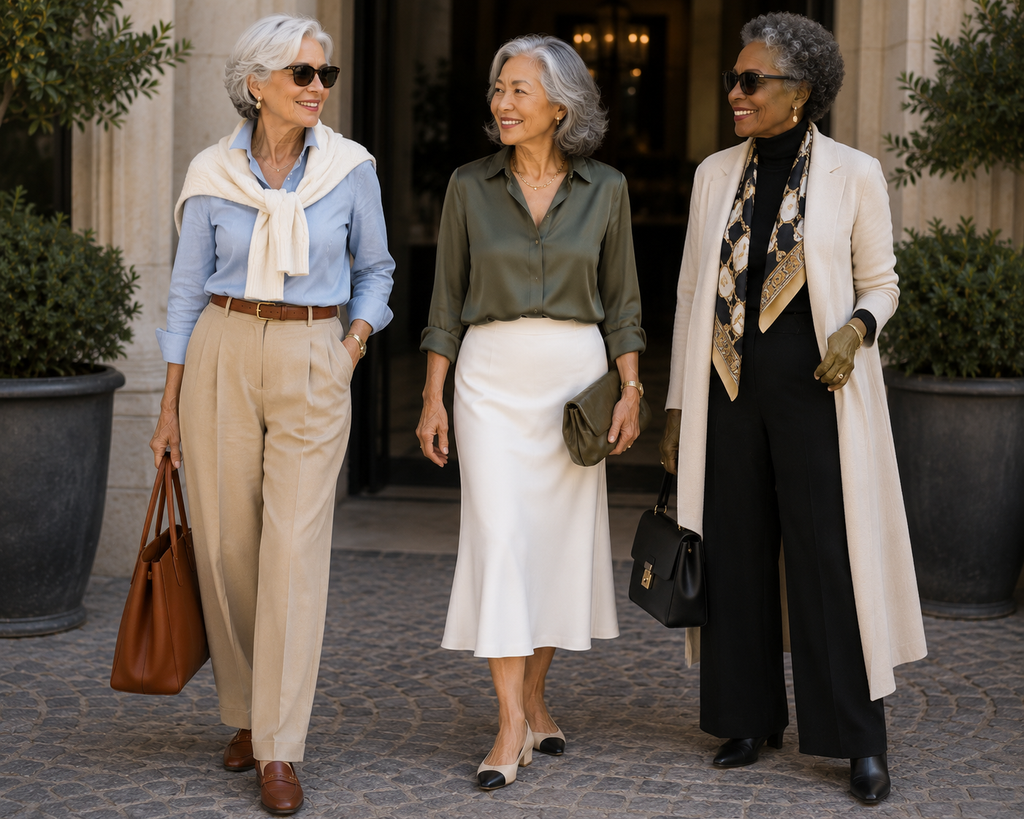
Old money style is a fashion aesthetic associated with traditional, understated dressing. It tends to favor classic silhouettes, neutral colors, quality-looking fabrics, and minimal logos.
The goal isn’t to look wealthy. It’s to look well dressed.
A navy blazer with cream trousers and loafers can have that polished feeling without a single luxury label. So can straight-leg jeans, a white shirt, a leather belt, and a simple cardigan.
The most important part is restraint. Instead of wearing several statement pieces at once, Old Money dressing usually lets one or two details do the work.
Why Old Money Style Works Well After 60
There is something wonderfully practical about this style as we get older. You don’t have to chase every new trend or rebuild your wardrobe every season.
Classic pieces also give you plenty of room to adapt the look to your personality. If you prefer a more relaxed wardrobe, wear a blazer with jeans and sneakers. If you like a feminine look, add a silk scarf and ballet flats. If you prefer modern minimalism, stick to black, white, camel, navy, and gray.
The style is also less about showing off and more about looking put together.
How to Create Old Money Style on Any Budget
You don’t need a closet full of expensive clothing. Start with a few versatile pieces and pay close attention to color, fit, fabric, and condition.
Start with a Quiet Color Palette
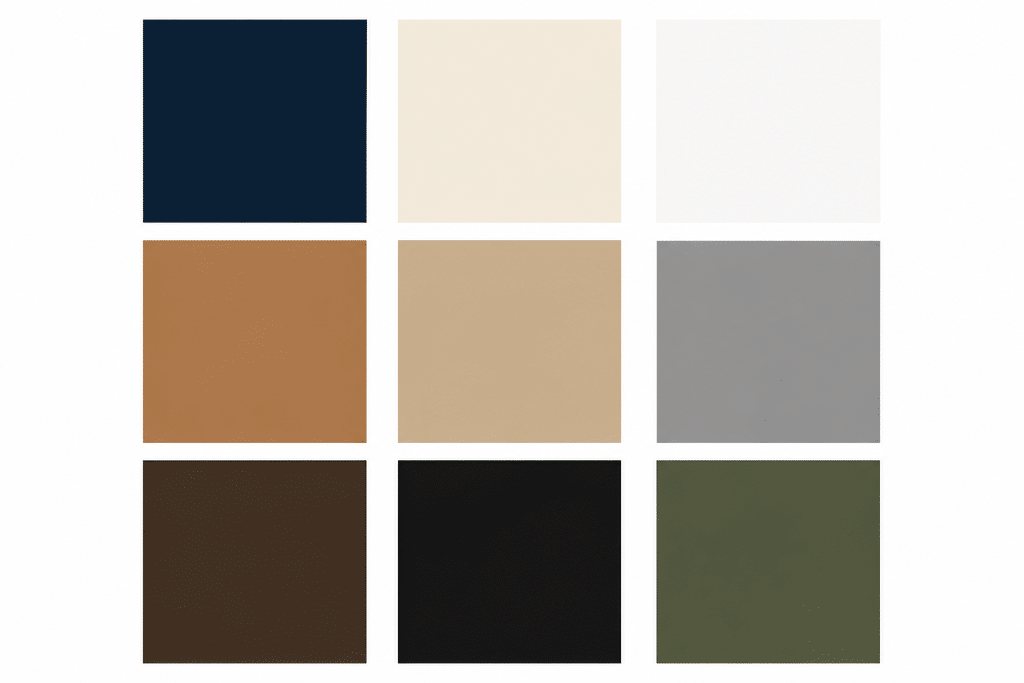
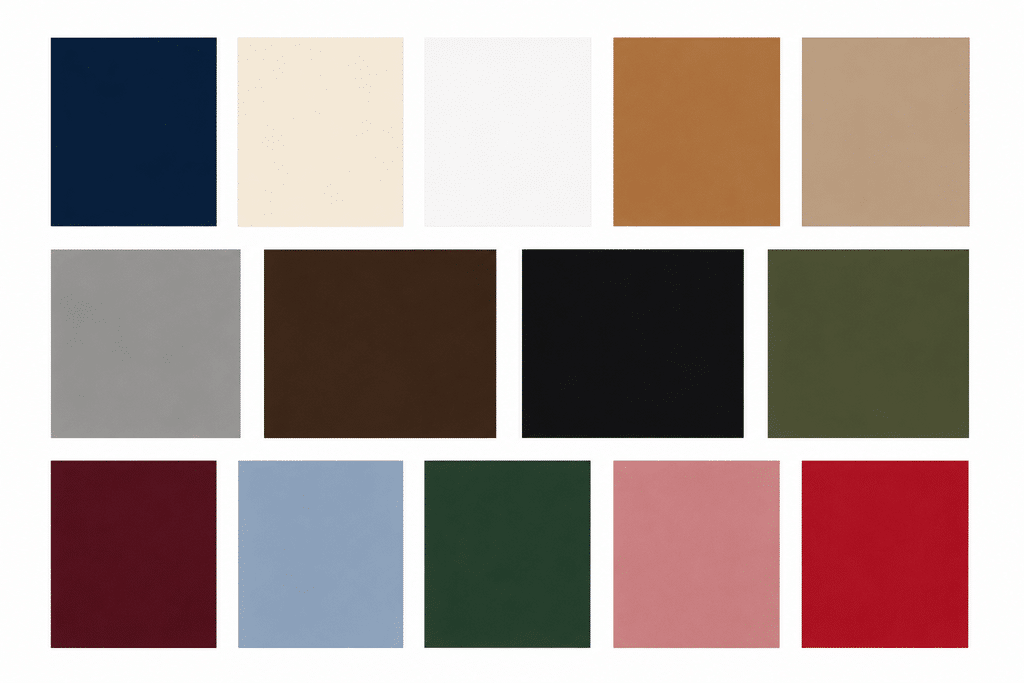
Color is one of the easiest ways to create an expensive-looking wardrobe. Build around neutrals such as navy, cream, white, camel, tan, gray, chocolate brown, black, and olive. These colors mix easily, which means fewer pieces can create more outfits.
You don’t have to give up color. Burgundy, soft blue, forest green, dusty rose, and even red can all work beautifully. Just avoid making every item in an outfit compete for attention.
Read more: 2026 Style Reset: How to Build a Capsule Wardrobe at 60 (Without Buying Everything New)
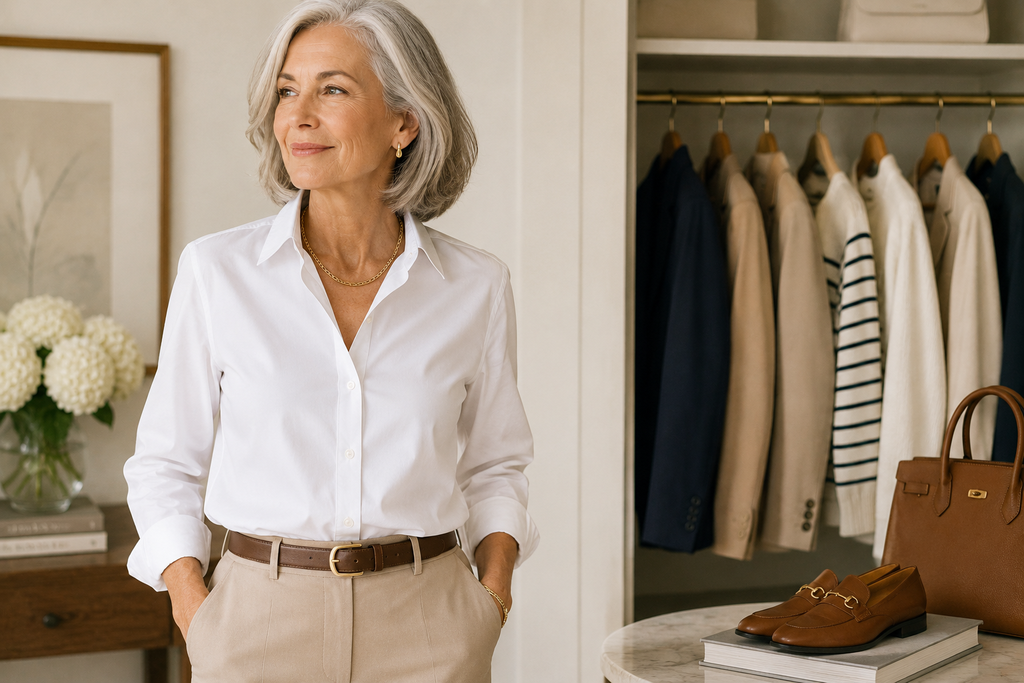
The Must-Have Classic White Shirt
A white button-down shirt is practically the uniform of old money style. Look for one with a good collar, a flattering length, and enough room to move comfortably. It doesn’t have to be expensive. What matters most is that it fits well and looks fresh.
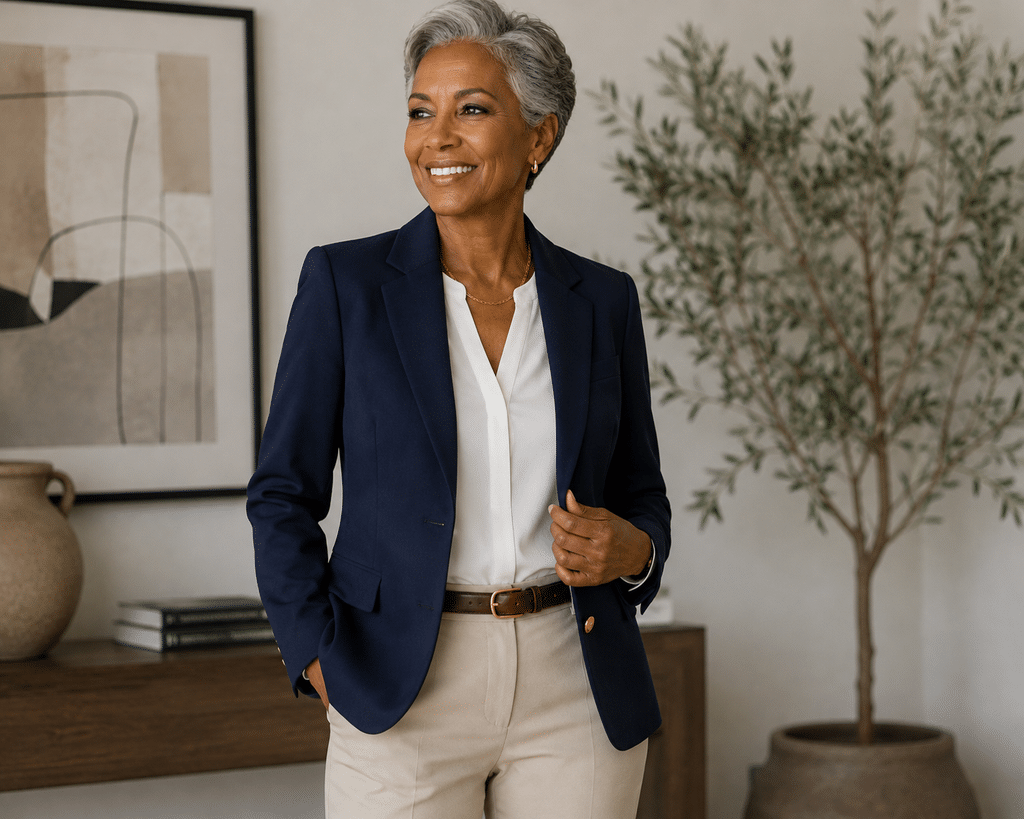
A Great Fitting Blazer
Few pieces transform an outfit quite like a good blazer. Navy is particularly versatile, but black, camel, gray, and cream are also excellent choices. Look for a simple design without excessive hardware or trendy details.
Knitwear Is an Old Money Style Staple
Sweaters are another easy way to get the look. Choose simple crewnecks, V-necks, cardigans, and fine gauge turtlenecks in neutral colors. Cashmere is lovely if it fits your budget, but plenty of affordable wool, cotton, and cashmere-blend alternatives exist.

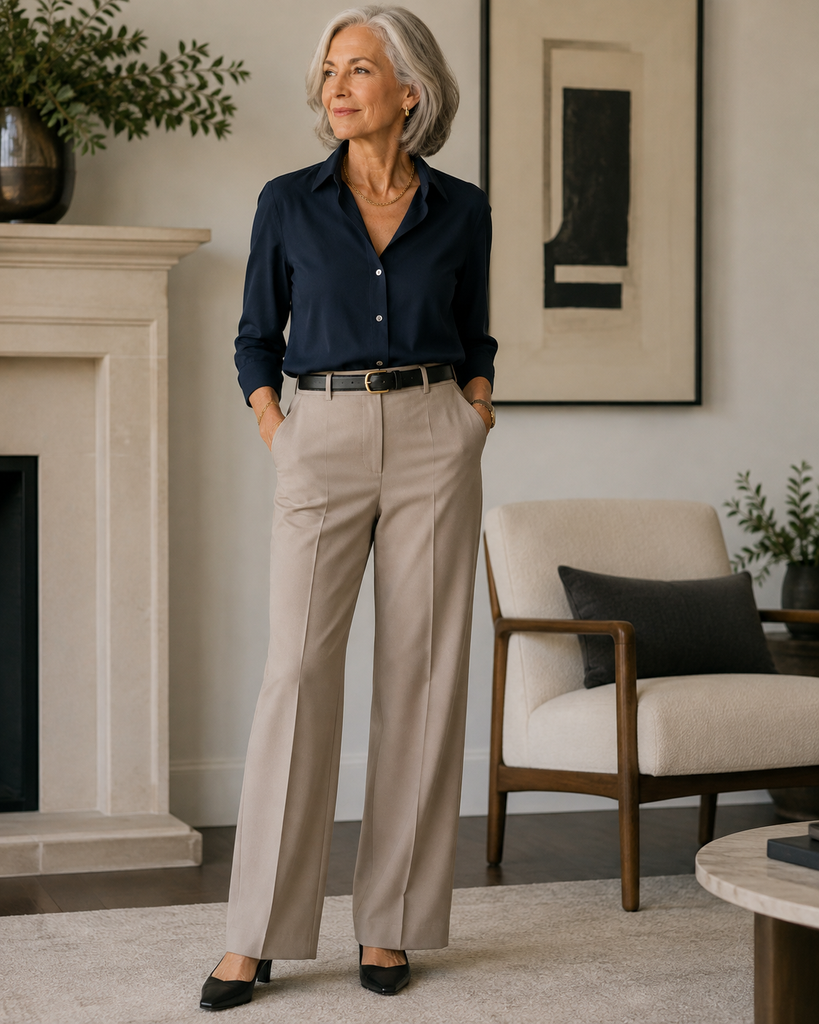
Tailored Trousers
A pair of well-fitting trousers instantly makes an outfit look more elegant. Wide-leg, straight-leg, ankle-length, and softly tailored styles can all work. Choose a silhouette that feels best on your body rather than following a particular trend.
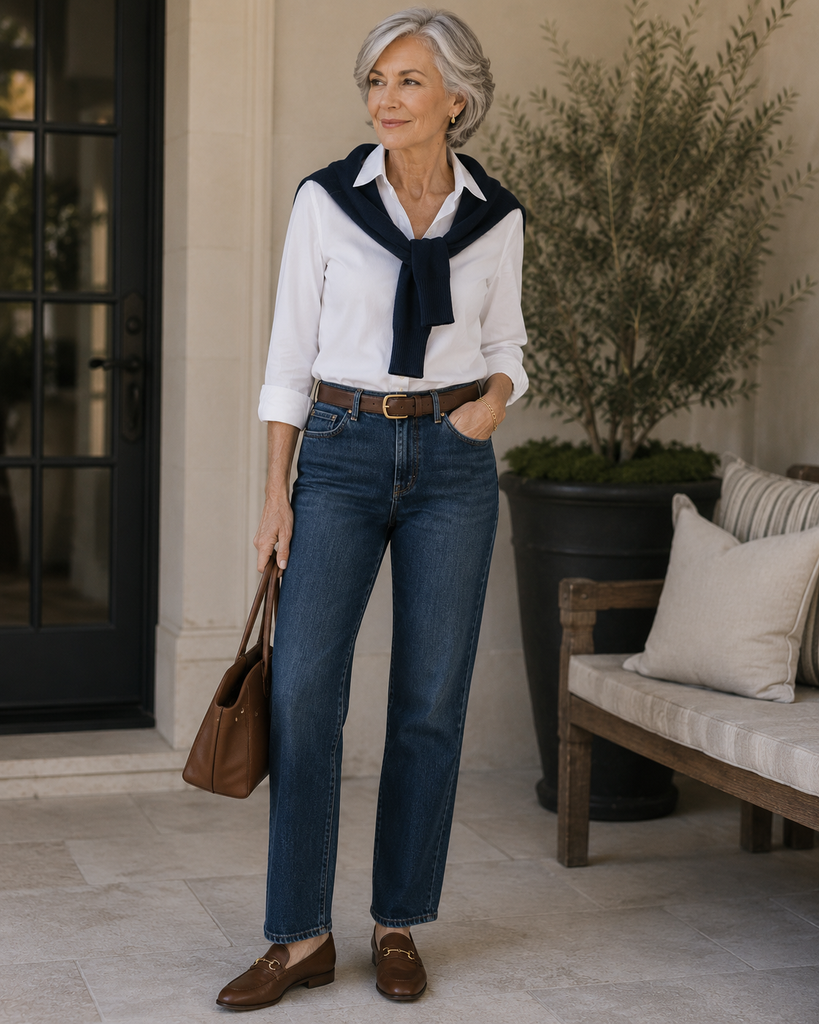
Jeans… Yes, Jeans
Old money style isn’t about dressing formally all the time. Jeans work beautifully, especially classic straight-leg or relaxed styles in a dark or medium wash.
Shoes that Complete the Look
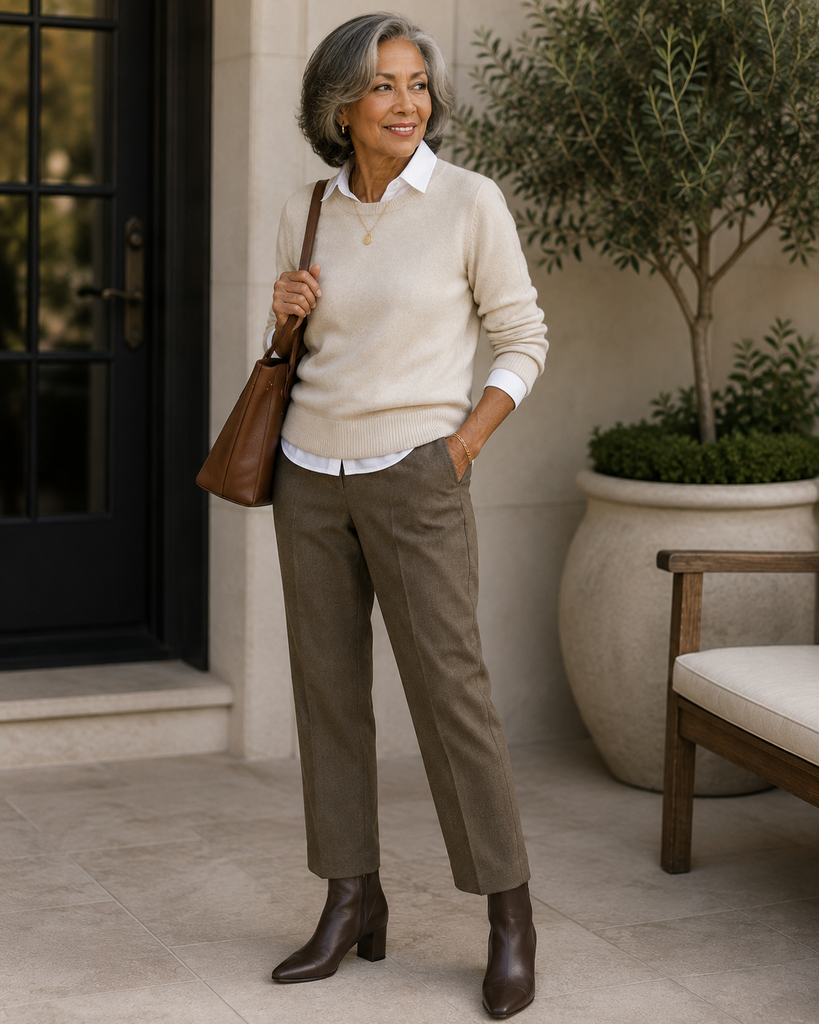
Shoes can completely change the impression of an outfit. Loafers are an obvious choice, but ballet flats, simple leather sneakers, ankle boots, riding boots, and low block heels can also fit this aesthetic.
Simple Bags and Accessories
You don’t need a bag covered in logos to make an outfit look expensive. A structured leather or leather-look handbag in black, brown, tan, burgundy, or navy can work with almost everything.
Jewelry should be similarly simple. Pearl or gold-tone earrings, a delicate necklace, a classic watch, or a simple bracelet can add polish without overwhelming your outfit.
Don’t Forget the Scarves
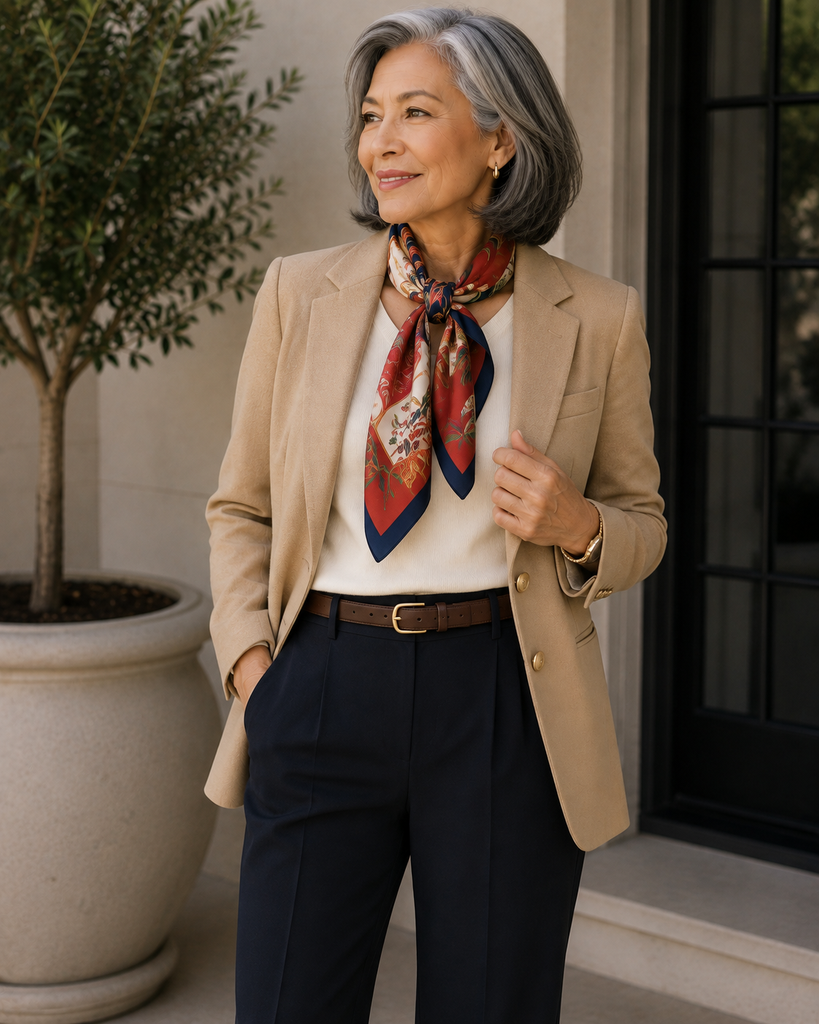
A scarf is one of the easiest and least expensive ways to add personality to classic clothing. Try a silk or silk-look scarf around your neck, tied to the handle of a handbag, or worn loosely over a blazer.
You can use scarves to introduce color or pattern while keeping the rest of your outfit neutral.
Tips for Old Money Styling
The Secret Is Often the Fabric
Fabric can make an enormous difference in how clothing looks. Natural fibers such as cotton, wool, linen, silk, and cashmere have a beautiful quality, but you don’t have to buy everything in premium fabrics. Look for fabrics with a nice weight and drape, and avoid pieces that are excessively thin and flimsy.
Good fabric care matters, too. Iron or steam shirts, remove pills from sweaters, polish leather shoes, and repair loose buttons.
Fit Matters More than the Brand
A $40 Blazer that fits beautifully can look better than a $400 Blazer that doesn’t. Pay attention to shoulders, sleeve length, trouser hems, waist placement, and overall proportion.
Shop Your Closet First
Before buying anything new, look at what you already own. You may already have the foundation for an old money style wardrobe. A white shirt, black trousers, a cardigan, jeans, loafers, a trench coat, or a structured handbag.
Try putting familiar pieces together in new ways. You may be surprised by what you discover.
Thrift Stores and Secondhand Shops
Secondhand shopping can be especially useful for this style because classic clothing doesn’t go out of fashion quickly. Look for quality wool coats, cashmere sweaters, silk scarves, leather handbags, blazers, and well-made trousers.
Vintage stores can also be treasure troves for classic accessories. Just check the fabric, seams, lining, zippers, and overall condition before buying.
Read more: The Thrill of Thrifting: Save Money and Find Treasures in Your 60s.
Old Money Style Outfit Ideas
Lunch with Friends
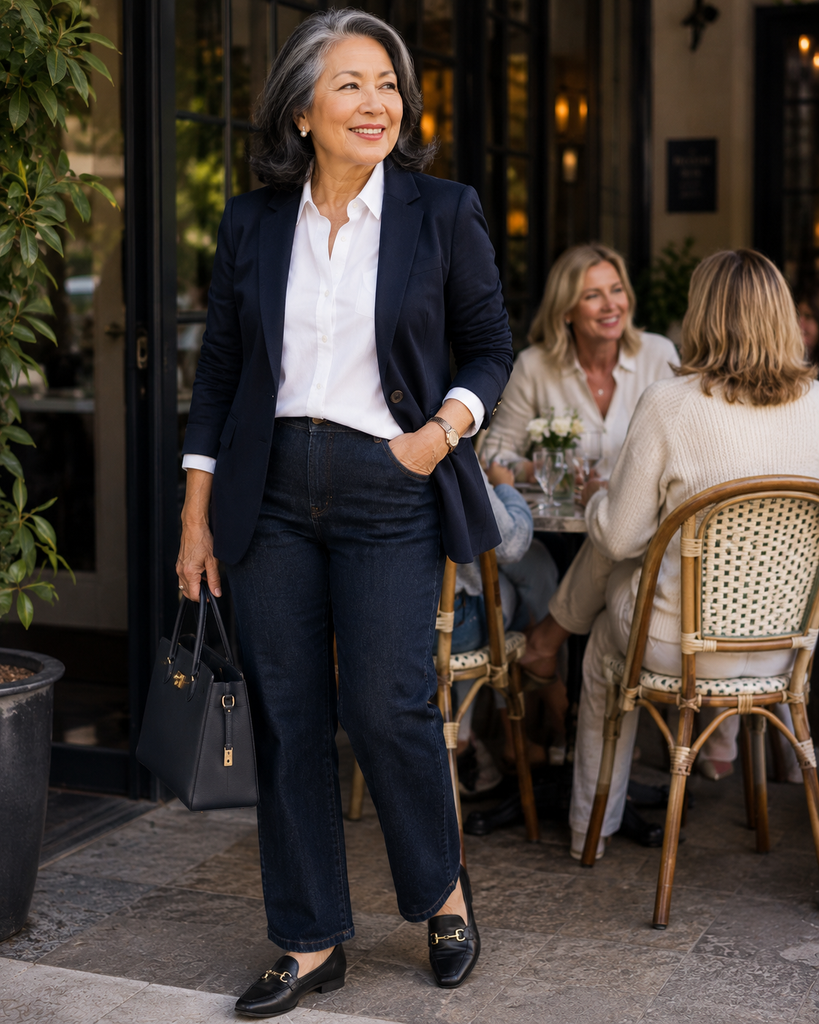
Dark straight-leg jeans, a white button-down shirt, a navy blazer, leather loafers, and a structured handbag.
For Travel Days
Cream trousers, a fine navy sweater, white leather sneakers, a camel coat, and a lightweight scarf.

For a Casual Dinner
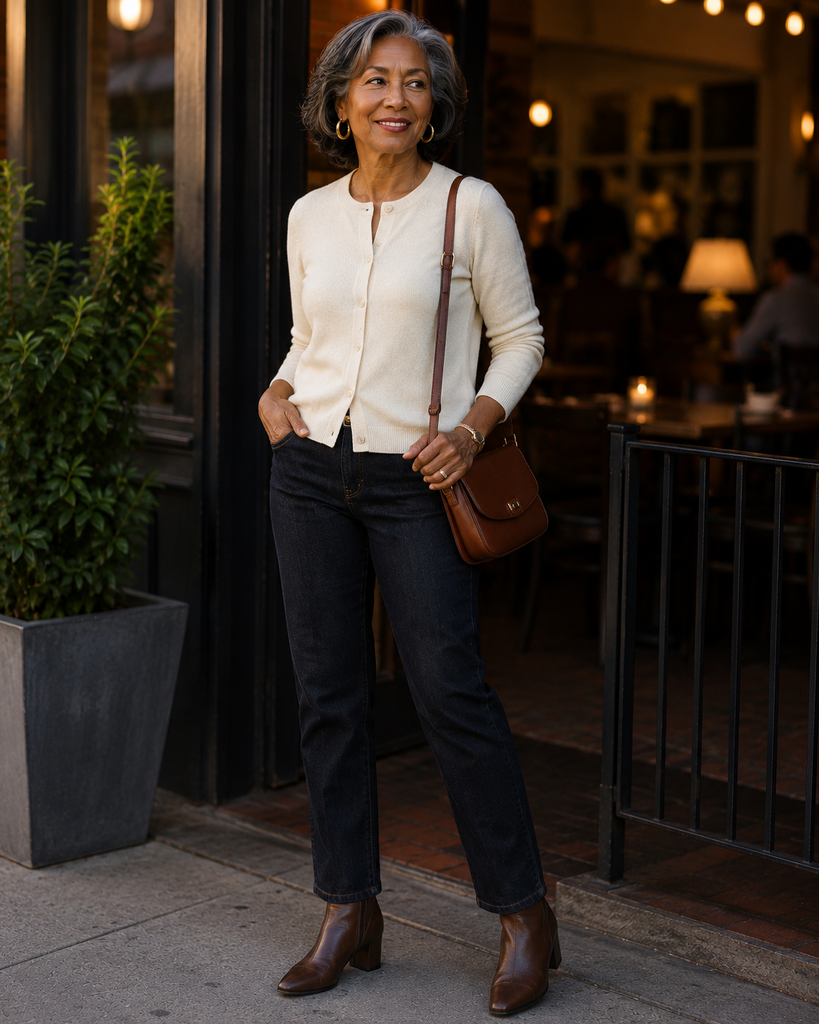
Dark jeans, a cream cardigan, simple gold-tone earrings, ankle boots, and a small leather shoulder bag.
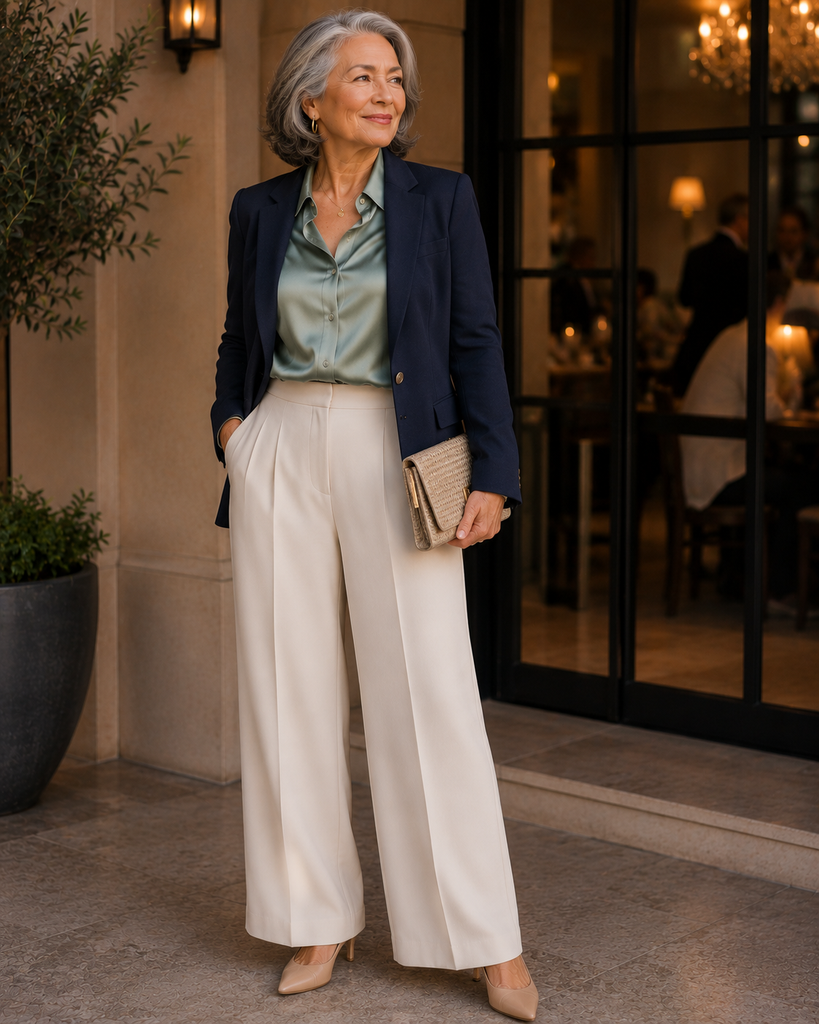
For a Dressier Occasion
Wide-leg trousers, a silk blouse, a tailored blazer, low heels, and a simple clutch.
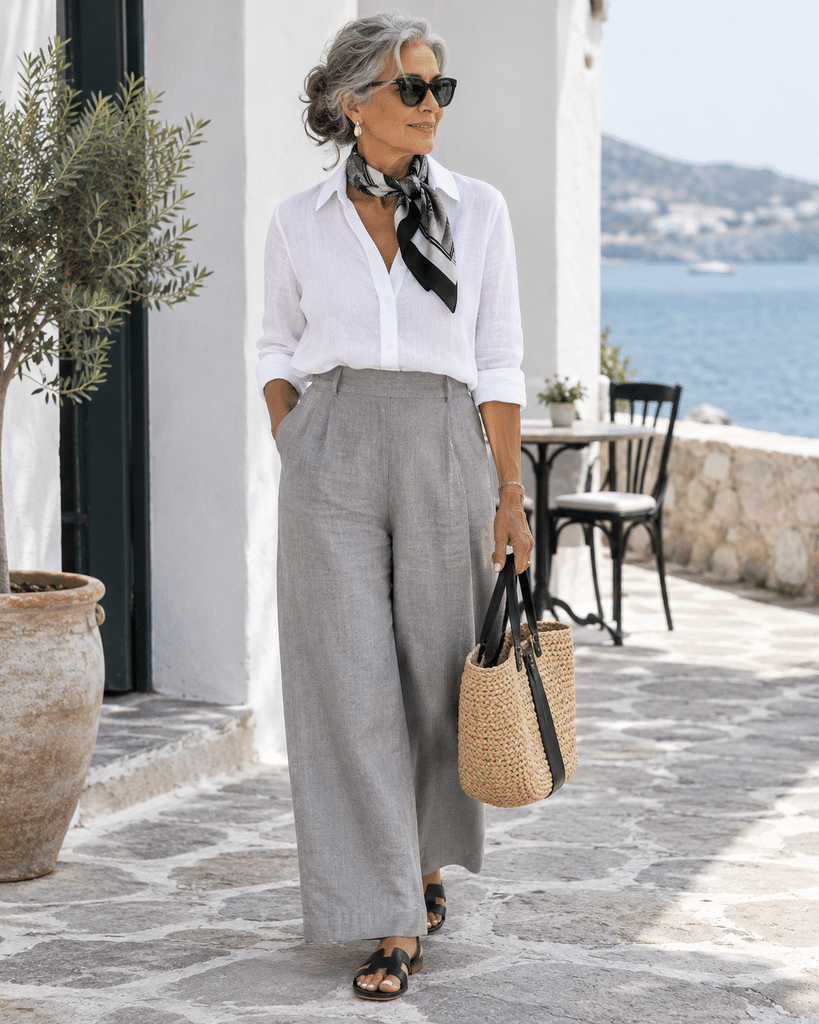
For Hot Summer Days
Linen trousers, a white shirt, leather sandals, a woven bag, and a silk scarf.
The beauty of old money style is that it doesn’t require a certain age, body type, or bank balance. It’s simply a way of dressing that values classic pieces and makes you feel comfortable and confident.
And perhaps the best part? You don’t have to buy a whole new wardrobe to try it. Start with the pieces already hanging in your closet, remove some of the visual clutter, and see what happens when you let a few beautiful Basics do the work.
Is Old Money Style for Everyone?
Old money style is classic, understated, and intentionally simple, and that may feel a little boring to some women. That’s perfectly fine. If you love bold colors, statement pieces, or experimenting with the latest trends, this aesthetic probably won’t feel like you.
Remember, style is personal and needs to reflect your personality- classic or bold.
Let’s Have a Conversation:
What does old money style mean to you? Do you prefer classic, timeless clothing, or do you like mixing classic pieces with current trends? And what’s the one item in your closet that always makes you feel elegant? Tell us about it in the comments below.