


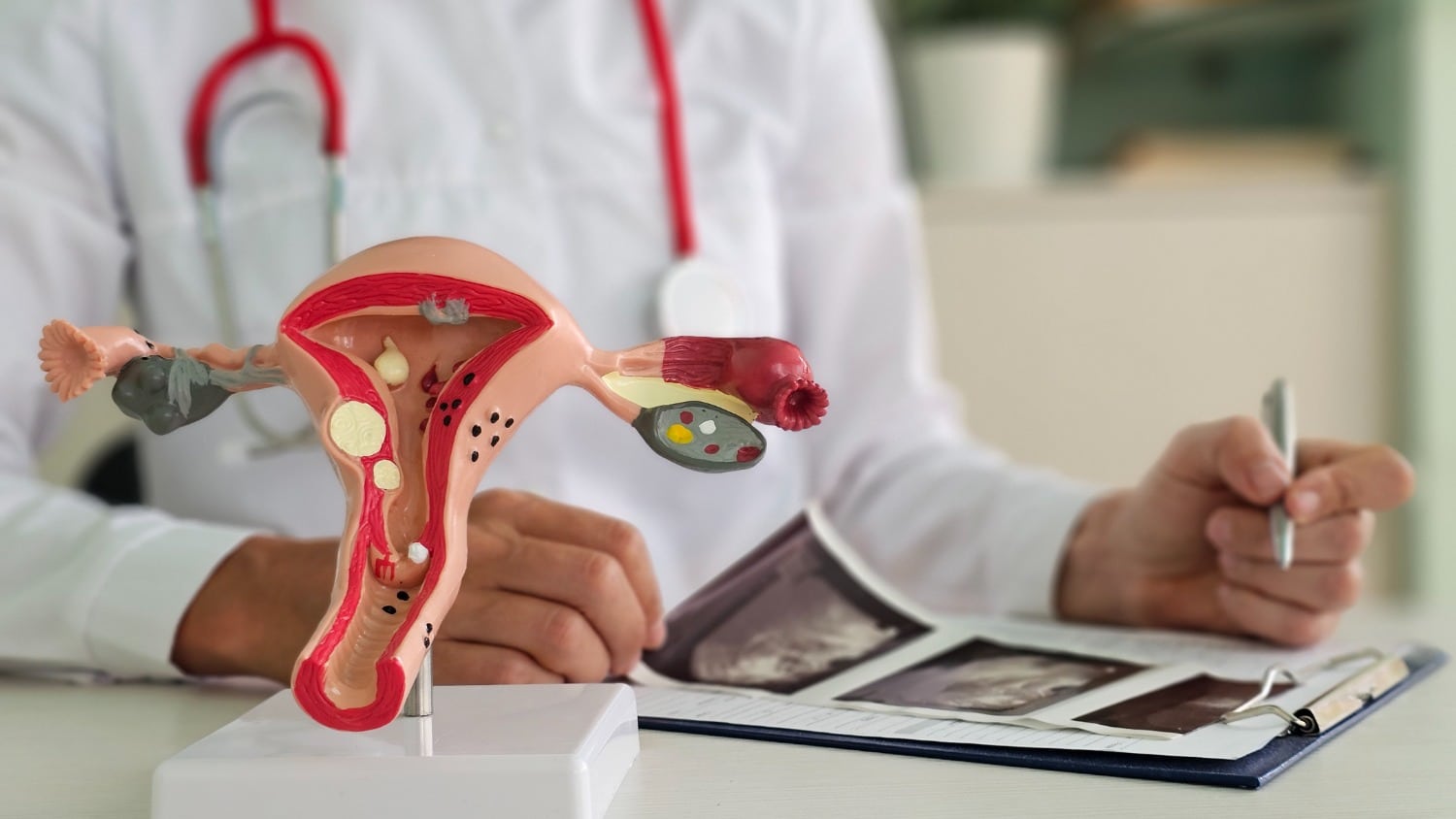
The Health Conversations We’re Avoiding After 60 – And Why It Could Cost Us Our Lives
Recently, I had the opportunity to interview Karen Dixon about her experience with endometrial cancer – and what she shared stopped me in my tracks.
Like many women over 60, Karen believed that once menopause was behind her, so were her “female” health concerns. That chapter of life felt closed – finished for good.
But One Night, Everything Changed
Karen woke up to severe vaginal bleeding – something no woman expects after menopause – and rushed to urgent care. What followed was a journey she never saw coming, one that led her to a team of specialists and, ultimately, to a diagnosis of endometrial cancer. You can read more about her story here.
Thankfully, after treatment, Karen received the words every woman hopes to hear: No Evidence of Disease.
Her story is one of strength and survival.
But it also reveals something deeper – something many of us don’t want to talk about.
Because what Karen experienced isn’t as uncommon as we might think… and the real issue may be how often women stay silent about symptoms like these.
“Silence around women’s health isn’t just uncomfortable – it can be dangerous.” — Susan Ballinger, Sassy Sister Stuff
When “Female Issues” Don’t End After Menopause
For many of us, menopause feels like the closing of a chapter – a time when we expect certain health concerns to finally be behind us.
But the reality is, our bodies don’t always follow that timeline.
Symptoms that seem unexpected – or even alarming – are sometimes dismissed, ignored, or quietly endured. And when we assume “this shouldn’t be happening anymore,” we may hesitate to speak up or seek help.
Karen’s story is a powerful reminder that postmenopausal symptoms deserve attention – not silence. It could be the difference between life and death.
Why So Many Women Stay Silent About Their Health
Many women feel shame about bodily changes, while others have experienced dismissive attitudes from doctors or believe nothing can be done.
According to a study published in PubMED Central, these are key reasons for this reluctance to share:
Stigma and Shame
Many women feel embarrassed or ashamed of menopause symptoms, which can feel taboo or stigmatized.
Medical Gaps
A significant gap in education means many doctors are not adequately trained in menopause management.
Dismissiveness/Normalization
Patients feel their symptoms are dismissed, or they believe they must simply accept these changes as a normal part of getting older.
Cultural/Personal Factors
Societal pressure to remain youthful and attractive can make women feel like they have lost their value, while some cultures treat these topics as private or shameful, making it difficult to speak about them with, for instance, a male doctor.
Lack of Knowledge
A lack of information about the full range of symptoms can make women unaware that they are even experiencing menopause-related issues.
Previous Negative Experiences
Past interactions with healthcare providers who didn’t offer help or understanding can discourage future conversations.
Lack of Empowerment
Many woman don’t feel empowered to seek medical advice for a variety of reasons from a lack of confidence to embarrassment.
Sandwich Generation
Women who are simultaneously supporting aging parents, raising children, working, managing the household, etc. This demographic often experiences extreme stress, financial strain, and burnout so they put themselves last for self-care.
As women in this age group, we need to change this narrative. We need to start talking about menopausal symptoms that have been under-reported and under-treated for years. The change needs to begin with us.
Why This Silence Can Be Dangerous After 60
According to ASCO Publications, endometrial cancer is most common in postmenopausal women, with roughly 40% to over 50% of cases diagnosed in women aged 60–70.
Risk increases with age. Incidence peaks in the 60–70 age group; symptoms often begin early, but most deaths occur after 65.
We need to break down the barriers that prevent us from talking about our gynecological concerns.
GSK’s Don’t Be Embarrassed campaign is a program designed to help women start the conversation. Karen has become a spokesperson for the campaign, and I am grateful that I had the opportunity to interview her so I could be a part of starting the conversation.
You can also be part of starting the conversation by sharing information about gynecological issues among your friends, family, and doctors. It should not be a taboo topic in 2026.
Risk Factors and Symptoms You Should Never Ignore
Let’s look at risk factors and symptoms of endometrial cancer. Please talk to your doctor if you notice any of these symptoms. It may not be anything serious – but it may be.
| Risk Factors | Potential Symptoms |
| Early menstruation (first period before age 12) | Postmenopausal Bleeding |
| Advanced age (60+) | Abnormal Vaginal Bleeding |
| Late menopause (after 50) | Abnormal Vaginal Discharge |
| Family history | Pelvic Pain, Pressure, or Cramping |
| Cowden Syndrome | Unexplained Weight Loss |
| Lynch Syndrome | Difficulty urinating |
| Polycystic Ovary Syndrome (PCOS) | Pain during intercourse |
| Prolonged exposure to estrogen without progesterone | Abdominal bloating |
| Obesity (MAJOR RISK FACTOR) | Gastrointestinal symptoms |
| Never being pregnant | |
| History of Hormone Imbalance | |
| Diabetes and Metabolic Syndrome |
Final Thoughts: Let’s Start Talking
Karen’s story is a powerful reminder that our health doesn’t come with an expiration date – and neither should our willingness to speak up.
Too many women have been taught to stay quiet about their bodies, to push through discomfort, or to assume that certain symptoms are “just part of aging.” But silence doesn’t protect us – it delays answers, support, and sometimes even life-saving care.
We have the power to change that.
By speaking openly, asking questions, and supporting one another, we can begin to break down the stigma surrounding women’s health after menopause. Conversations that once felt uncomfortable can become the very thing that helps another woman seek care sooner – or feel less alone.
Karen chose to share her story. And by doing so, she’s helping other women find their voice.
Maybe that’s where change begins – with one conversation at a time.
Let’s Have a Conversation:
Have you or someone you love experienced a gynecological health issue after menopause? Do you feel comfortable talking with your doctor about changes in your body – or is it something you tend to avoid? What would make these conversations easier for you? If you feel comfortable, I invite you to share your thoughts in the comments. Your voice might be exactly what another woman needs to hear today.
Tags Medical Conditions


I get regular exams and was shocked to find out after age 65 medical insurance won’t pay for annual PAP smears! That along with the feeling of being not important enough for the OB/GYN community of physicians and PA’s – It is very disheartening. Because we are no longer bringing in the “big Baby” bucks for them it seems we don’t exist in these medical offices. I’ve tried switching to another physician’s office, however, there are not many options in my area. There are no “strictly GYNO” physicians. Its very sad that even the medical industry has no interest in us after our child bearing ability.
It’s such a shame that so many people have lost the trust we once had in the medical community since the “pandemic”. This loss of trust leads to reluctance to get “things” checked out.
Great article, Susan!
At 67, never married I was enjoying a celibate life (unlike my promiscuous youth). I worked as GYN nurse so when I had lower pelvic pinching and a light brown discharge, I was alarmed. I pursued it with 2 docs and a GYN PA. I had normal urine and pelvic bacterial cultures and negative Pap smear. Unfortunately vaginal atrophy made any intravaginal exams excruciating so without general anesthesia, a biopsy couldn’t be done. I tried a course of vaginal hormonal therapy which made by symptoms 10x worse, horrible pain and a disgusting dead-fish smell. The PA suggested trying a course of antibiotics despite the negative cultures. There is apparently a common syndrome in older women just like mine. I guess it’s a new thing they discovered. Sure enough, the antibiotics cured me. I’m sure glad I took her advice. If one doctor doesn’t help you, please keep pushing for an answer!
Oh dear! Just like many ladies–you experienced doctors not doing anything to help you actually feel better right away. I’m glad the PA suggested the antibiotics and you got better! I agree, and so does Karen–keep pushing for answers! And don’t be embarrassed about talking about the issue! Thank you for sharing! 💜
Do you get checked by a pap test,? My doctor said I didn’t need one any more if I don’t have a cervix. I don’t remember, so I am going in for a pap test later this month.
I am always surprised that people my age are reluctant to talk about all those “down there” issue. Wether it is gynecologist consultation, intimacy with a companion or toys for self pleasure, it seems that after 50plus nothing is important anymore.
My husband left me after 30 years of marriage because I did not provide enough sex. I went to see my gynecologist (also in her late 50), and she opened a door to me… Life is not over for you my dear…
So here I am still taking hormonal supplements, loved by my new man in my life, able to get self pleasure when I want and checking once a year my breasts and my …down there… I am alive!!!
This is such a wonderful statement about life after 50! Thank you for sharing! 💜 We need to stop treating these intimate topics as if they are embarrassing secrets! They are part of life and we need to have the freedom and confidence to speak openly and share. I’m very happy for you! 🙂