


Tracing Your Roots: How to Plan a Heritage or Ancestry Trip After Retirement
Retirement is often the perfect time to explore where you come from. With more freedom in your schedule, you can turn curiosity about your family’s past into a meaningful journey. A heritage or ancestry trip isn’t just about seeing places on a map; it’s about walking the same streets your ancestors once walked, discovering family traditions, and deepening your sense of identity.
If you’ve ever wondered what it might feel like to stand in your grandmother’s hometown or visit the church where your great-grandparents were married, this guide will help you plan a rewarding ancestry trip.
Why Should I Consider a Heritage Trip After Retirement?
A heritage trip combines travel with personal discovery. Unlike a typical vacation, this kind of journey focuses on connection – connecting with history, culture, and perhaps even living relatives.
For many retirees, such trips become deeply emotional. You may feel pride learning about your ancestors’ struggles and triumphs, or a stronger sense of belonging when you see firsthand the landscapes they once knew. Research shows that connecting with personal heritage can increase well-being and provide a stronger sense of identity, especially later in life.
Where Do I Start Tracing My Family’s Roots?
If you were born in North America and are not of Indigenous heritage, chances are your ancestors arrived through immigration at some point in history. Whether they came centuries ago on early ships from Europe or more recently from Asia, Africa, or Latin America, most families in Canada and the United States trace their roots back to another part of the world.
You’ll want to gather as much information as you can. Here are the first steps:
- Talk to family members. Ask parents, aunts, uncles, or cousins about names, dates, and places they remember. Even small details can lead to big discoveries.
- Check family records. Old letters, photographs, or diaries may hold clues. Look for names of towns, churches, or cemeteries.
- Use genealogy websites. Platforms like Ancestry.com, MyHeritage, and FamilySearch provide access to census records, immigration documents, and even DNA matches.
- Visit local libraries or archives. Many have genealogy departments that can help trace immigration records or regional history.
The more details you gather, the easier it becomes to choose where to travel.
Should I Take a DNA Test Before My Trip?
DNA tests offered by companies like AncestryDNA or 23andMe can reveal unexpected connections. These tests can identify regions your ancestors came from and connect you with living relatives around the world.
While not necessary, a DNA test can help narrow down destinations. For example, you may discover Irish ancestry you weren’t aware of or confirm family stories about Italian heritage.
Keep in mind: DNA results give broad regions rather than pinpointing exact towns. They are most helpful when combined with traditional genealogy research.
How Do I Choose My Destination?
Once you have family records, focus on places tied to your ancestors’ lives. That could be:
- Villages and hometowns. Where your ancestors were born, baptized, or married.
- Immigration ports. Such as Ellis Island in New York, where millions of immigrants first entered the U.S.
- Cultural regions. Even if you don’t have an exact village, visiting a broader area (like Bavaria in Germany or County Cork in Ireland) still provides powerful connections.
If you have multiple ancestral lines, consider starting with the one that feels most meaningful to you.
Should I Plan the Trip Myself or Join a Tour?
You have two main options:
Independent Travel
- Ideal if you want flexibility and enjoy personal exploration.
- Lets you spend as much time as you’d like in small towns or family cemeteries.
- Requires more preparation, especially if you don’t speak the local language.
Heritage or Genealogy Tours
- Organized tours cater specifically to ancestry travelers.
- Some include professional genealogists, access to archives, and guided visits to ancestral towns.
- Popular examples include Ancestry’s travel partnerships.
Many travelers combine both: joining a short guided tour to access archives, then exploring on their own.
Read more: Heritage and History: Exploring the World’s Ancient Sites.
What Should I Do Once I Arrive?
A heritage trip goes beyond sightseeing. Some meaningful activities include:
- Visit local archives or churches. Birth, marriage, and baptismal records are often stored in town halls or parish offices.
- Explore cemeteries. Gravestones can confirm names, dates, and sometimes even family stories.
- Walk the neighborhoods. Even if buildings have changed, standing where your ancestors lived creates a sense of connection.
- Meet distant relatives. If DNA testing or genealogy websites connect you to family, consider reaching out before you travel. Many people are open to hosting or meeting visitors from abroad.
Read more: Getting to Know My Ancestors Took Years.
What If I Don’t Speak the Language?
Language barriers can be a challenge, but they don’t have to stop you.
- Download translation apps like Google Translate for on-the-spot communication.
- Hire a local guide. Many specialize in ancestry research and can help navigate archives and cultural nuances.
- Learn key phrases. Even a few words in the local language go a long way in showing respect.
Read more: 6 Best Language Translation Apps – Speak and Understand Any Language.
How Can I Make the Trip More Meaningful?
To get the most out of your journey:
- Keep a travel journal. Write down emotions, discoveries, and stories as you go.
- Take photographs of important sites. Cemeteries, churches, and family homes create a visual record for future generations.
- Collect small mementos. A stone from a family village or a local cookbook can carry emotional value.
- Share your discoveries. After your trip, consider creating a family history book or digital album.
Read more: 7 Best Travel Journals for Women Over 50.
Is Tracing My Roots Worth the Effort?
Most people who take a heritage trip describe it as life-changing. It’s not just about seeing places, it’s about feeling connected to the people who came before you. Many retirees say it brings them closer to both their past and future, offering a new perspective on their family’s story.
Read more: How to Write a Book About Your Family History.
Final Tips for Planning Your Heritage Trip
- Start research early. Records can take time to track down.
- Stay flexible. Some places may no longer exist or look very different.
- Embrace surprises. Your family story may turn out richer and more complex than you imagined.
Questions to Ask Yourself and Your Family
- What stories about our family have been passed down, and how accurate are they?
- Which side of the family do I want to explore first?
- Am I more interested in culture and traditions, or in exact genealogical records?
- Would I prefer traveling independently or with the support of a group?
Read more: Ancestry Travel: A Sobering Experience.
Let’s Have a Conversation:
Have you ever thought about taking a heritage trip? Where would you go first? If you’ve already traveled to your ancestral homeland, what was the most moving part of your journey? Would you be more excited to meet living relatives abroad, or to discover historic records about your ancestors? Tell us about it in the comments below.
Tags Ancestry


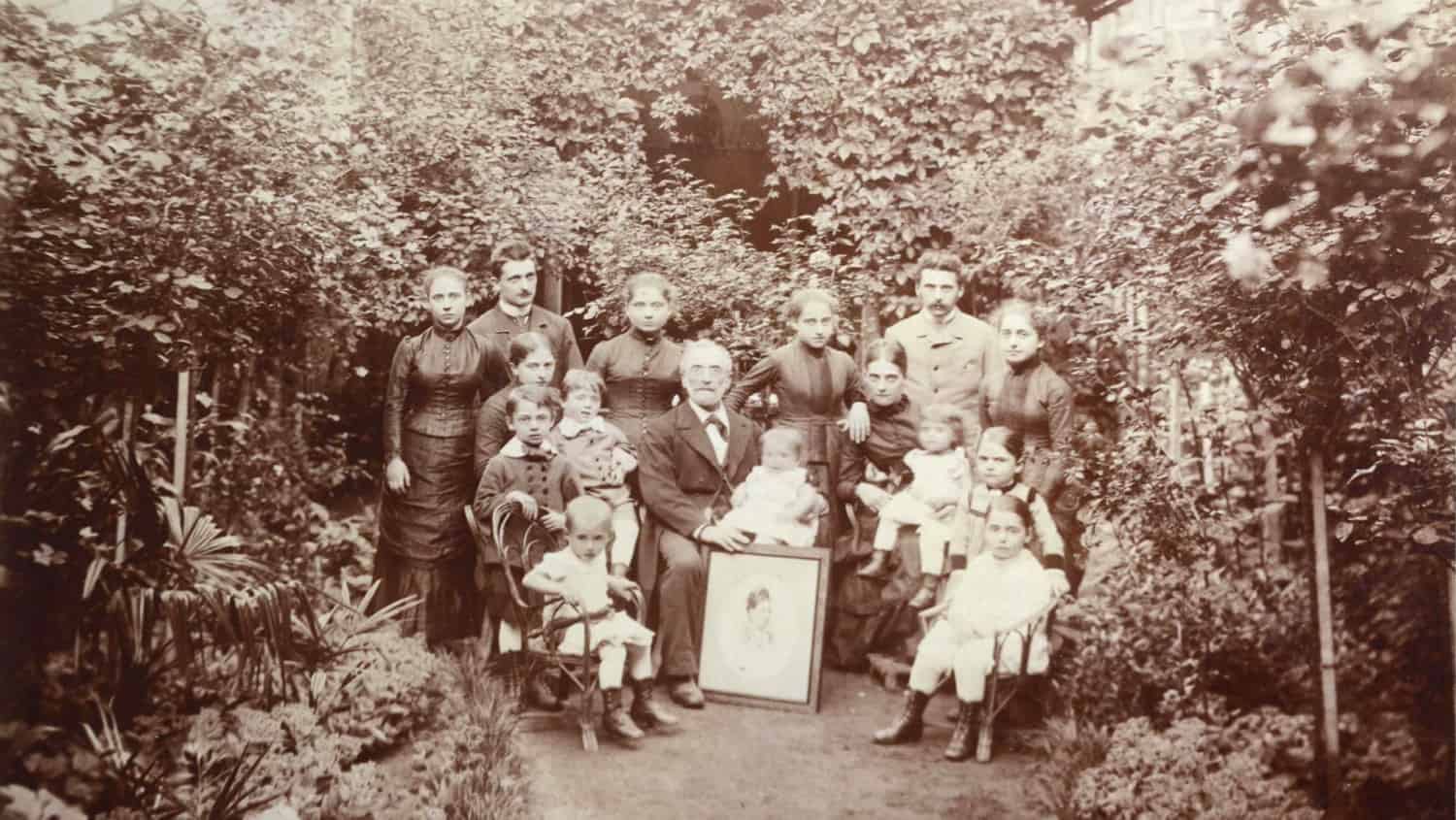
My son is the family historian/genealogist. A few years ago he mapped out where a lot of our family is buried. We took a trip to visit the graves over a few states. He even located my British grandmother’s relative – my British third cousin who is a dual citizen of the US and Britain. We knew nothing of my grandmother’s British connection before meeting my cousin.