A House Designed for Living
The best homes have a subtle way of taking care of you. Their thoughtful features can lighten the endless work of keeping house while making life more comfortable and enjoyable.
Why do some older houses feel more welcoming and full of character than many built today? I was discussing this with a friend when we began to consider what might explain the difference. Was the builder trying to create a pleasant home for a family, one that would make life easier? Or was the emphasis on keeping construction costs as low as possible, sometimes at the expense of details that made a house nicer to live in?
The answer may lie partly in the priorities that shape a house long before anyone moves in. Are we designing and building houses primarily to sell them, or to create places that will serve families well for years to come?
Older houses were hardly immune to financial constraints, and not every old house was mindfully designed. But many incorporated touches that added to their charm and made daily life more harmonious.
My Grandparents’ House
My paternal grandparents lived in rural Mississippi. Their family home – by no means an antebellum mansion – had a generous roof overhang that shaded the walls and windows from the strong summer sun. A roof like that knew how to make itself useful.
On hot summer nights, sleeping on the covered screened porch was a welcome relief. I could listen to the rain drumming overhead, feel the cool breeze, and drift off to the sound of crickets. On clear evenings, fireflies provided their own bit of magic.
Off the dining room was a cozy alcove with a large bed and a picture window. A curtain could be drawn for privacy, making it my favorite spot for the family’s customary (and obligatory!) afternoon nap. In the heat of a Mississippi summer, the middle of the day was for resting, not working.
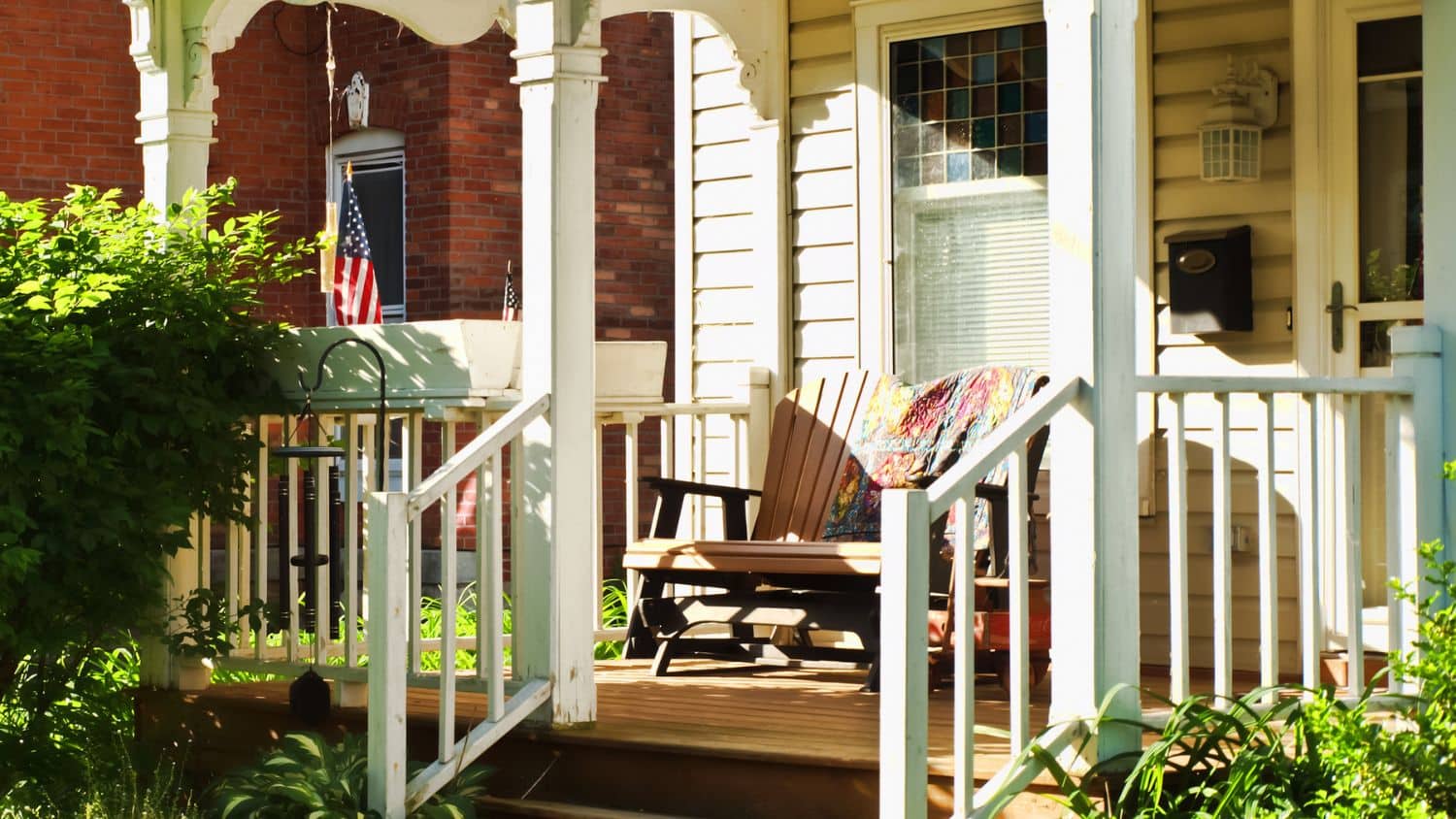
Out front, an ample veranda overlooking Main Street held a porch swing built for three and several chairs where family and visitors could sit and relax. People walking by frequently stopped for a chat, and a quick hello could easily turn into a longer visit. Southerners have a fondness for kidding one another, and teasing was often part of the fun.
There was no fence around their house or the surrounding properties, so the yards flowed into one another. The whole street felt open and connected, rather than divided into separate plots. That openness seemed to encourage neighborliness.
Sheets dried outdoors in the sunshine smelled heavenly when you climbed into bed at night. Of course, laundry on the line came with a risk: a sudden downpour could send everyone running to rescue it before nature gave the washing another rinse.
My grandmother’s cedar chests held heavy quilts, extra linens, and family keepsakes. Cedar was traditionally used to help protect stored textiles from insects. The chests were extremely heavy, so choosing a location was a decision you were expected to get right the first time.
In short, her home took care of her family with amazing grace and plenty of good common sense.
Clever Touches Found in Other Old Homes
My grandparents’ house wasn’t the only one to incorporate thoughtful features. Across many older homes, builders found ingenious ways to make daily life easier. Some features added comfort, others saved time and effort, and still others encouraged people to gather and linger. Individually, these details might seem unremarkable. Together, they reveal a deeper understanding of what makes a house a pleasure to live in.
The Shoe Scraper
Mounted beside an entrance, a shoe scraper gave visitors a place to remove mud and dirt before coming inside. A few seconds of scraping could save a considerable amount of mopping—and spare whoever had just cleaned the floor a few choice words.
The Vestibule
An entry vestibule created a buffer between outdoors and the main living area. It offered a place for coats, umbrellas, and muddy boots while helping keep cold drafts from sweeping straight into the house. It also gave visitors a moment to shed their outdoor gear before joining the household.
Double-Hung Windows
These windows have two movable sashes, allowing either the top or bottom portion to open. Opening both can help warm air escape through the top while cooler air enters below. It was a simple way to encourage ventilation before air conditioning became widely available.
Shutters
Closed during the heat of the day, shutters could reduce harsh sunlight and darken rooms for restful moments. When storms threatened, properly fitted and secured storm shutters could help protect windows from driving rain and flying debris.
Rainwater Collection
Rainwater could be directed from the roof into barrels or cisterns for later use in the garden. Rather than letting all that water run away, a household could save it for dry days. When the garden needed a drink, the rain had already done part of the work.
The Laundry Chute
In some multi-story houses, a chute allowed dirty laundry to travel from an upstairs bedroom or bathroom to a collection point near the laundry area. It saved carrying baskets up and down the stairs. Of course, there was always the possibility that a sock might disappear along the way, never to be seen again.
Each feature solved an ordinary problem. Together, they reveal a house designed to anticipate its inhabitants’ needs, make living more comfortable, and lighten the load (pun intended!).
A House Designed for Living
The thoughtful features found in older houses remind us that good design begins with an understanding of how people actually live. A deep roof overhang, a sheltered place to sit, a window positioned to catch a breeze, or a cozy corner for an afternoon nap may seem like small things. Yet together, they make the house feel attuned to the lives unfolding within it.
Modern homes offer many advantages their predecessors lacked, and there is no need to recreate the past to appreciate its lessons. A house can be efficient and economical without sacrificing warmth, character, or the small pleasures that make living more gracious.
Perhaps we can bring some of that older wisdom into the homes we live in today. Looking around with fresh eyes, we might notice opportunities to make a room more inviting or arrange a space that encourages conversation. Sometimes a simple adjustment can change the way we experience a room without requiring a major renovation.
A house becomes a home through the life it nurtures: the safety it provides, the comfort it offers, and the small inconveniences it eliminates. These qualities don’t depend on age or price. They grow out of the care with which it’s designed and lived in. The best homes, after all, do more than shelter us. In their own unique way, they take care of us.
Let’s Have a Conversation:
What kind of house did you grow up in? Which areas do you remember most vividly and why? What did your later-life houses look and feel like? Which areas did you (do you) spend the most time in? What do you think makes a house designed for living?
Tags Nostalgia