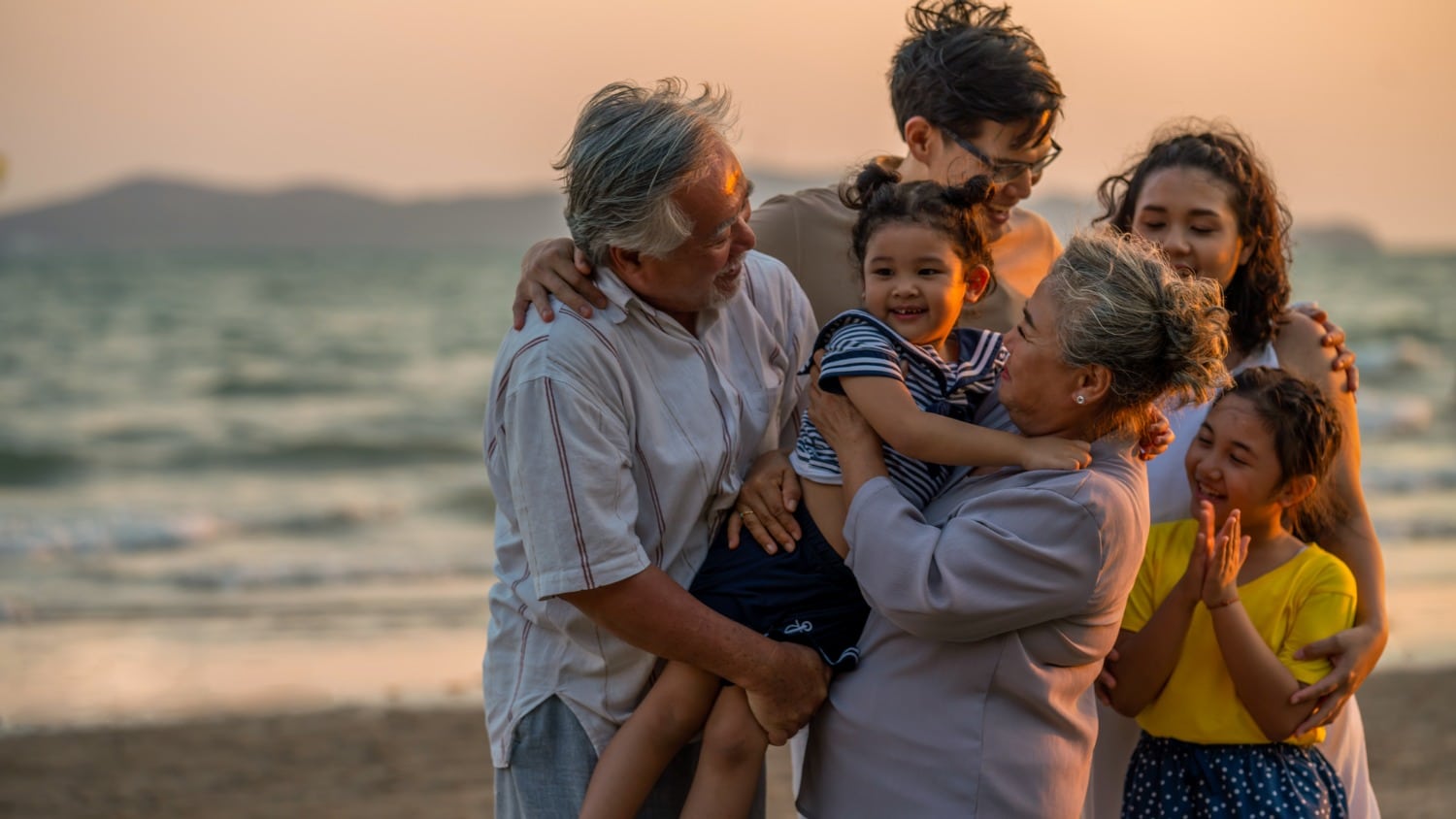
Who Are You After Motherhood Changes?
One of the strangest parts of midlife motherhood is realizing your children still matter deeply to you while also realizing they no longer need you in the same way.
No one really prepares women for that emotional transition.
We spend decades building lives around caregiving: Driving. Organizing. Encouraging. Worrying. Showing up. Motherhood becomes woven into the structure of daily life so completely that many women cannot separate who they are from what they did for everyone else.
And then, slowly or suddenly, the rhythm changes.
The phone rings less.
The traditions shift.
The family dynamic evolves.
Sometimes relationships stay close. Sometimes they become strained or distant. Sometimes they simply become different.
And many women are left asking a quiet but deeply important question:
Who am I now?
The Emotional Identity Crisis Many Women Never Expected
For women over 50, identity loss is rarely discussed honestly. People talk about empty nests in cheerful language: More freedom. More time. More possibilities.
But many women experience something much more emotionally layered.
They feel grief.
Not necessarily because they want their children dependent forever, but because a role that shaped their entire identity has changed dramatically.
Mother’s Day often intensifies those feelings.
A woman can logically understand that her adult children are busy building their own lives while still feeling emotional pain when the day passes with little acknowledgment.
That tension is real.
And it deserves compassion rather than shame.
Why Adult Children’s Choices Feel So Personal
One of the hardest emotional shifts in midlife motherhood is learning that your children’s choices are not a direct measurement of your worth.
Many women internalize everything:
- distance
- missed calls
- difficult relationships
- emotional disconnection
And underneath it all is often the same painful question:
Did I fail somehow?
But adulthood is complicated.
Adult children are shaped by countless influences: personality, relationships, mental health, life stress, culture, partners, priorities, and their own emotional limitations.
Mothers matter deeply. But mothers are not responsible for controlling every outcome forever. That realization is both painful and freeing.
Because when women stop making their identity dependent on their children’s behavior, they finally have room to rediscover themselves again.
Midlife Is Not the End of Purpose
Many women secretly fear that the most meaningful part of life is behind them.
Especially after:
- divorce
- caregiving burnout
- loneliness
- difficult family dynamics
- major life transitions
But midlife is not simply an ending. It can also become a return. A return to parts of yourself that were postponed while everyone else needed you.
Perhaps there are interests you abandoned years ago. Dreams you minimized. Parts of your personality that quietly disappeared under responsibility and survival.
This season may be asking you to excavate those things again.
Not selfishly.
Honestly.
It May Be Time to Meet Yourself Again
One of the healthiest questions women can ask in this season is:
“What do I want my life to feel like now?”
Not: “What will make everyone else happy?”
But: “What brings me peace, purpose, connection, and vitality?”
That question often feels unfamiliar at first because many women spent decades prioritizing everyone else.
But emotional maturity in midlife often involves learning how to:
- love deeply without losing yourself
- maintain boundaries without guilt
- grieve honestly without collapsing
- build a meaningful life beyond old roles
This is not about becoming hardened or detached.
It is about becoming whole.
And for many women, that journey begins the moment they stop defining themselves solely through motherhood and begin exploring who they are now.
If you are navigating emotional exhaustion, shifting family dynamics, or the challenge of rediscovering yourself after motherhood changes, my free resource Prayers for Bone-Weary Moms offers encouragement and grounding for this season.
And for women ready to move beyond survival mode and begin rebuilding life with clarity and strength, the Marriage and Motherhood Survivor Method offers a deeper next step.
Let’s Discuss:
What part of yourself have you neglected while caring for everyone else – and what would it look like to begin reclaiming it now?
Tags Adult Children