Money Is Part of Our Voice
I’m in my late 60s. Like many women our age, I grew up hearing that money wasn’t a polite topic to talk about. Someone else handled it, or we handled it quietly and didn’t make a fuss.
I’m Not Quiet About Money
In all honesty, I can’t be quiet about money. I own a business. I pay staff, pay the bills, and charge for my services. How I use money is part of how I lead.
Some of our spending is already spoken for. Where we do have choices, we decide which businesses to support and which causes to give to. Sometimes that means buying from the big-box store, and sometimes it means buying from the woman down the street who makes candles in her kitchen.
One of the books I’ve published, Sacred Money by Genevieve Chavez Mitchell, has shifted how I think about this. It made me think about what I believe about money and what I want my money to do in the world. I don’t think money and faith are separate. How I spend is connected to how I live and what I believe.
I’ve Started Thinking of Every Bill I Pay as a Blessing
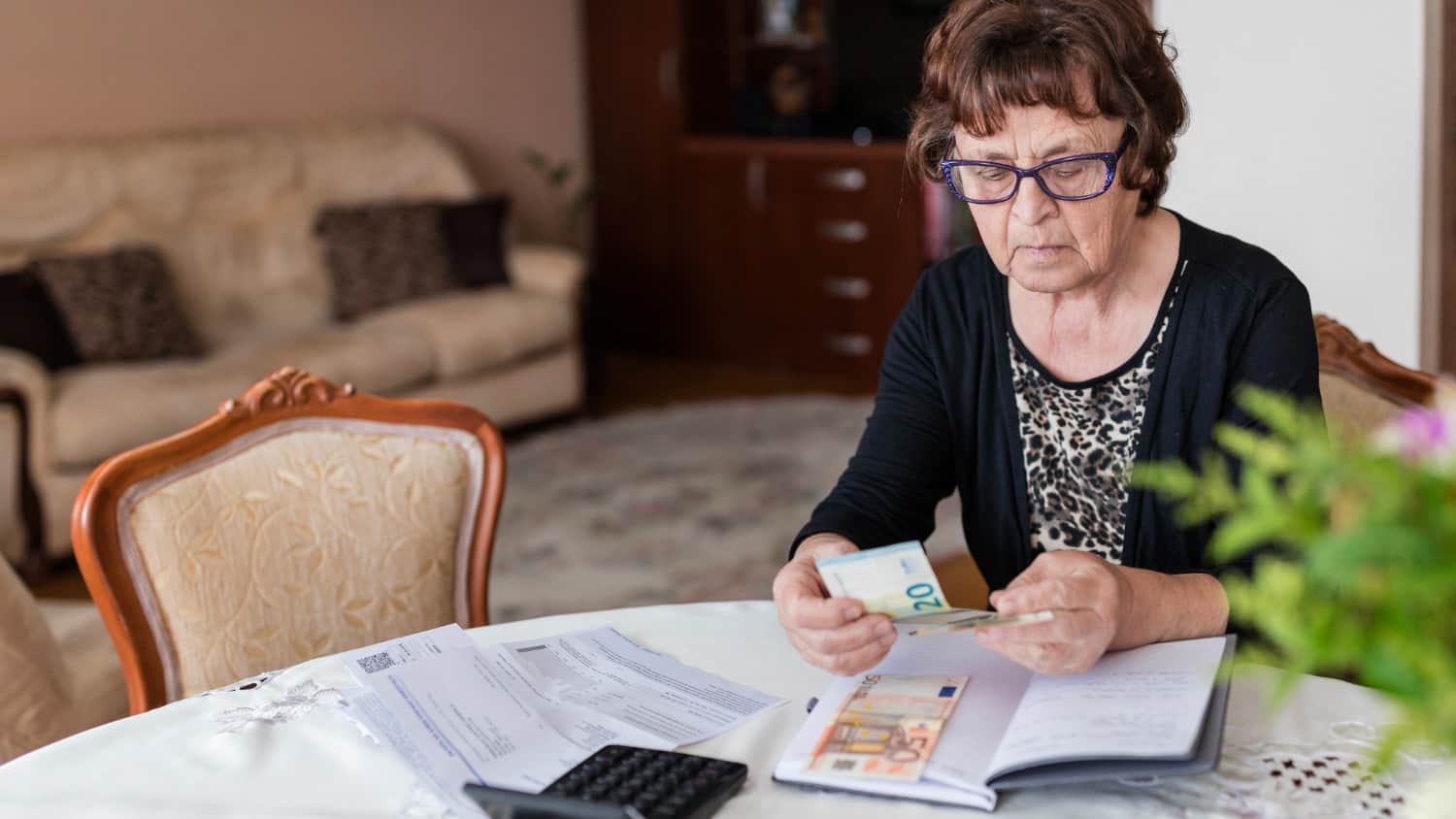
When I pay the electric bill, I get to keep the lights on. When I pay for my home, I have a place to live. It’s easy to resent bills and see them as money leaving us. Remembering what that money provides helps me feel grateful instead of just drained.
And when money is tight, and for many of us it is, sometimes necessities take everything we have. There may be nothing left to give or spend somewhere else. Keeping ourselves fed, warm, and housed matters, too. Gratitude doesn’t require a big bank account, and it doesn’t mean pretending we aren’t worried.
I Give Where I Can
I help my daughter when she asks and when I’m able. I’d rather help her now, while I’m here, than leave it all for later. I send what I can to my former foster kids, and to causes I believe in. I gave $100 to one of my former foster kids a while back. He bought self-development books. I’ve never been prouder.
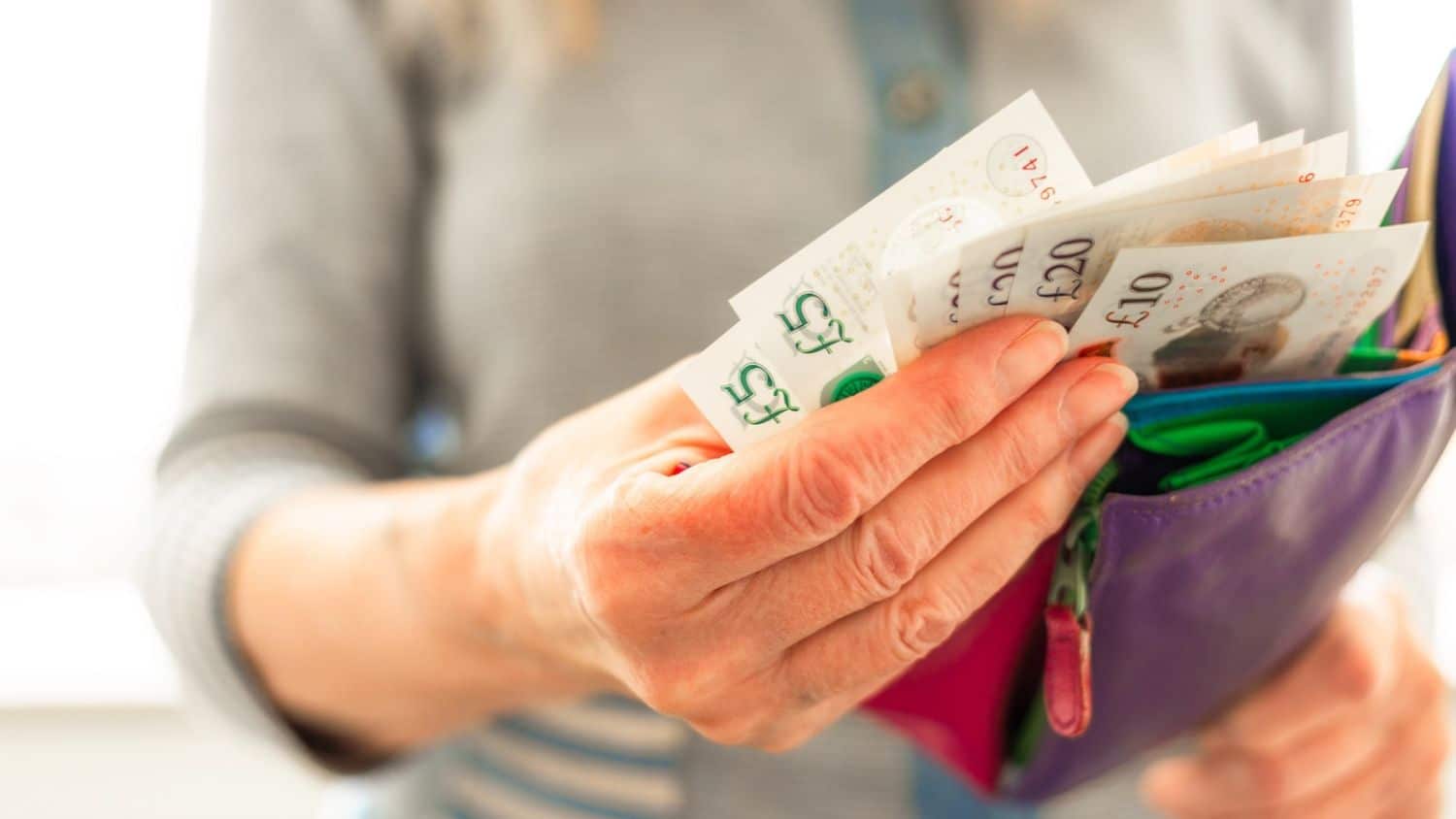
Sometimes I can give more, and sometimes it’s $5. Even $5 can matter.
I shop local and women-owned when I can. But I don’t always. Sometimes I choose convenience. Sometimes my first choice isn’t available or isn’t affordable. I don’t beat myself up about it. I aim to get it right about 80 percent of the time, and I let the other 20 go.
I’d Rather Travel Than Buy a New Couch
My couch is fine. It’s been fine for years. But a trip lights me up inside, and I can’t say that about furniture. I value experiences over things, and that’s where most of my extra money goes when I have it.
I have a friend who is the opposite. She rarely travels, and her home is beautiful. Every room feels thought through. She loves being there, and so do the people she invites in. After I visit, I sometimes look at my own living room and think I should probably do something about that. Then I book another trip.
Some of us get to do both. Some of us can’t do either right now. But my friend and I have something in common. We both put our money toward what we actually value, not what someone else says we should value. I don’t buy a new couch, and in reality, my friends don’t care. The judgment I feel comes from inside me, not from them. That took me a long time to learn.
Expectations vs. Reality
There’s a lot of noise out there about what women our age are supposed to want: the downsized condo, the cruise, the grandkids’ college fund. Maybe those fit you. Maybe they don’t. It’s your money, and it gets to reflect your life.
We can’t always choose where our money goes. But when I do have a choice, I want to pay attention to it.
Let’s Have a Conversation:
Have you ever thought about utility bills as a blessing to be thankful for? What would your budget include if you had the money for it? What matters to you in terms of spending – experiences, home comforts or something else?