


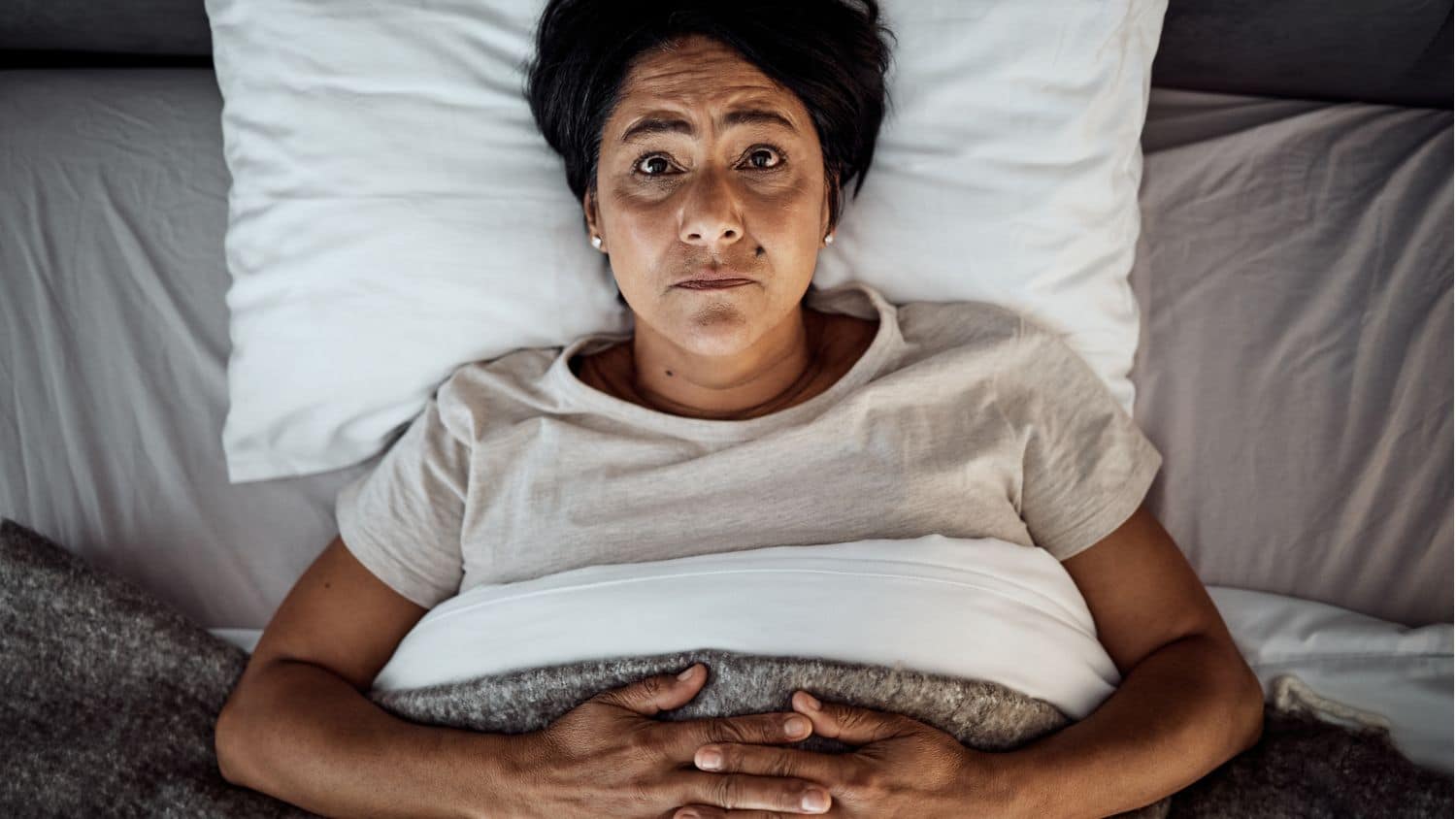
Your Body Isn’t Failing You – It’s Finishing a Transformation
In my last article, we talked about something that stopped many of you in your tracks: the idea that your post-menopausal years weren’t designed to be a slow fade. According to the science of biology, they were designed to be the whole point.
I promised you we’d go deeper. So let’s do that.
Because understanding the philosophy is one thing. Understanding what’s actually happening inside your body – and what you can do about it – is where real change begins.
The Hormonal Pivot Your Doctor Probably Didn’t Explain
Here’s the thing about hormones: we talk about them as if they simply disappear at menopause. Estrogen goes. Progesterone waves goodbye. End of story.
But that’s not quite what’s happening. What’s actually occurring is a redistribution – a biological hand-off. Your ovaries step back. Your adrenal glands step forward. And the hormones your body now prioritizes shift from reproduction to something else: resilience, clarity, and long-term protection.
Think of it as your body entering a keystone phase. The hormonal chaos many women experience – the hot flashes, the sleepless nights, the brain fog – isn’t your body malfunctioning. It’s recalibrating. It’s learning to run on a different fuel mix.
The discomfort is real. I am not here to minimize that. But context matters enormously. Pain without meaning is suffering. Pain with meaning is labor. And what’s being born on the other side of this transition is worth understanding.
What the Symptoms Are Actually Telling You
Let’s look at a few of the most common experiences through a different lens.
Hot flashes aren’t random misfires. Research suggests they’re connected to your body’s attempt to regulate a newly recalibrated thermostat – and that they may actually play a protective role in cardiovascular health during the transition. Women who experience hot flashes earlier in menopause show different long-term heart health patterns than those who don’t. Your body is doing something, even when it’s inconvenient at 2 a.m.
Brain fog is one of the most disorienting symptoms – and one of the most misunderstood. Estrogen plays a significant role in glucose metabolism in the brain. As levels shift, your brain is literally learning to run on a new energy source. This is actually a window of opportunity: the women who support their brains during this transition with the right inputs emerge on the other side with sharper, more sustained cognitive clarity than before.
Sleep disruption is real – and it matters more than we’ve been told. Deep sleep is when your brain clears cellular waste, consolidates memories, and regulates cortisol. When menopause disrupts sleep, it’s not just an inconvenience. It’s a signal that this is a non-negotiable area to address.
Working with Your Biology: Where to Start
This is where it gets exciting – because working with your biology is entirely within your reach. You don’t need a prescription to start. You need information and intention.
Blood sugar stability is the foundation. One of the most underappreciated drivers of hot flashes, mood swings, and fatigue in menopause is blood sugar instability. When estrogen declines, your cells become less insulin-sensitive, which means the foods that never caused you trouble in your 30s may now spike and crash your energy. Prioritizing protein at every meal, reducing refined carbohydrates, and eating your starchy foods later in the day rather than first thing in the morning can make a dramatic difference – often within days.
Movement has to change – but don’t stop. If you’ve been a loyal cardio devotee, this might be the hardest thing to hear: long, steady-state cardio can actually elevate cortisol in post-menopausal women, compounding the hormonal stress your body is already managing. What your body needs more of now is strength training. Building muscle mass protects bone density, improves insulin sensitivity, supports better sleep, and – this one always gets a reaction – produces estrogen-like compounds that help cushion the transition.
Protect your sleep like it’s your job. Because right now, it is. Cooler room temperatures, consistent sleep and wake times, reducing alcohol (even a glass of wine disrupts deep sleep cycles significantly), and getting morning sunlight to anchor your circadian rhythm are all simple, evidence-backed starting points.
The Clarity Is Coming – If You Let It
I want to tell you something I’ve witnessed again and again in conversations with women navigating this chapter – and something I’m living myself.
On the other side of the recalibration, something shifts. Women describe it as a kind of coming into themselves. A pruning away of the people-pleasing, the second-guessing, the constant calibration to everyone else’s comfort. What emerges is a woman who is clearer about what she wants, less afraid to say no, and more energized by the things that truly matter to her.
This isn’t wishful thinking. There are neurological explanations for it – and they’re ones I think every woman over 60 deserves to understand. The cavewomen we talked about last time already knew: the elder didn’t become wiser because she had more years. She became wiser because she stopped spending her energy on everything that no longer mattered.
At Find Your Fizz, this is exactly the kind of transformation I love walking alongside women through. If you’re in the thick of this season and want a framework for what’s next – not just physically, but in terms of purpose, energy, and identity – come find me at https://findyourfizz.com. This is the work I was made for.
Coming Up Next: What’s Really Happening to Your Brain After 60
For years, women have been told that menopause is hard on the brain – that the fog, the forgetfulness, the searching for words are signs of something slipping away. But neuroscientist Dr. Lisa Mosconi – director of the Women’s Brain Initiative at Weill Cornell and author of The Menopause Brain – has spent 15+ years scanning women’s brains at every stage of this transition. And what she’s found is not a story of decline.
In my next article, we’ll look at what her research actually shows – including the surprising ways the female brain reorganizes, sharpens, and adapts after menopause. It’s one of the most exciting bodies of science I’ve come across, and I think it will change the way you talk to yourself on the hard days.
Stay tuned.
Over to You:
Which symptom has been the hardest for you to make peace with – and does reframing it as a signal rather than a malfunction change anything for you? And if you’ve made it to the other side of the transition, what surprised you most about who you became? I’d love to hear from you in the comments.
Tags Healthy Aging



I’m 83. I’m getting the menopause symptoms again. Foggy brain, forgetting things, problems with sleep etc. Is it another phase we women will get through on this journey?
Hi Louise. I’m sorry you are dealing with these symptoms once again. Have you checked in with your doctor? You might have your Omega 3 levels checked. I’d also be interested in knowing about your eating habits. There are other things that could cause this in addition to hormones.
Great article! insomnia has been the hardest for me to adjust to. I’ve tried all the tips for better sleep and haven’t found any that work. On a positive note I’m retired and get to live each day free of hustle and bustle.
Thank you, Linda! I’m sorry your sleep is not going well but so happy about your hustle and bustle freedom! What tips have you tried?
I have had an average menopausal transition. The hot flashes were rough for a few years, the brain fog is more of a retrieval issue and I just cut myself slack. The unhappy joints are my least favorite. But I recently started a collagen supplement and believe it may be helping. I try to remind myself that my body still works despite it not being the body of 15 years ago.
Kathryn- That last line is everything — ‘my body still works despite it not being the body of 15 years ago.’ That’s not resignation, that’s wisdom. And I love that you’re giving yourself grace on the brain fog rather than fighting it. The retrieval delay is so real, and honestly? Cutting yourself slack IS a strategy. On the collagen — I’ve been hearing more and more women say the same thing about joints. Would love to know how it continues to go for you!
Excellent article!👍 I really love the idea that we are transitioning to the next step in being a woman. It helps to know the symptoms are just part of the whole process and how we can deal with them. Sometimes I think I’m just getting back to the me before puberty but I’m older and wiser now. I love forward to the next article!
Thank you, Becky! That comparison to pre-puberty is one of the most beautiful reframes I’ve heard — and I think you’re onto something real. Before puberty, we were just ourselves, unfiltered by all the hormonal social conditioning that followed. Coming back to that, but with six decades of wisdom on board? That sounds like an upgrade to me. So glad you’re here for the next one.
I am 64. Everything has changed. Everything. What a shock that no one talks about. The only thing people talk about is hot flashes. What a joke. That is the smallest of issues throughout this journey. Yes, hot flashes are miserable, but they don’t change your life like all the other changes. Menopause kicked my butt. I am still transitioning into something else and it’s been hard. In fact, it makes me wonder if humans live past menopause only because of modern medicine. There are many days I feel like I don’t belong here any longer and that my body and mind are aliens. Women need to stick together, give each other support. Not everyone experiences it like I did (and still do), but many of us do.
Maureen, thank you for saying this out loud — because I know you’re speaking for so many women who feel exactly this way and have no language for it. You’re right that hot flashes get all the airtime while the deeper shifts go completely unacknowledged. The feeling of being a stranger in your own body and mind is real, and it deserves to be taken seriously. I’m glad you’re still here, still transitioning, still speaking up, still supporting. That is what women sticking together looks like. I see you.
I get your questioning why we live past menopause but there is a lot of science why we do and a whole lot of goodness for us and the world. Check out my last article here: https://sixtyandme.com/ancient-women-menopause/. I’d love to know what you think!