


Should You Take a Travel Sabbatical After 60? How to Plan a Month or More Abroad
Have you ever returned from a vacation feeling as though you needed another week just to recover? You spent months planning the trip, packed your days with activities, and somehow came home more exhausted than when you left.
Now imagine doing things differently. Instead of spending 10 days rushing through three European cities, what if you rented a little apartment in Portugal for a month? You could shop at the neighborhood market, discover your favorite café, take afternoon walks, and get to know the place beyond the tourist attractions. Or perhaps you’ve always dreamed of spending a winter somewhere warm, learning Italian in Tuscany, or living by the sea in Greece for a few months.
This is the appeal of a travel sabbatical. And for women over 60, especially those who have retired or have more flexibility in their schedules, it can be a wonderful alternative to traditional vacations.
Long-term travel after 60 doesn’t have to mean selling your home or living out of a suitcase indefinitely. It can be as simple as spending one month in a place you’ve always wanted to experience.
But staying somewhere for several weeks requires a different planning approach. You’ll need to think about accommodations, everyday expenses, healthcare, and transportation. Keep reading to find out whether this type of travel suits your personality, lifestyle, and budget.
What Exactly Is a Travel Sabbatical?
We tend to associate the word sabbatical with professors taking a year away from teaching or professionals stepping away from their careers. A travel sabbatical is a little different.
Think of it as an extended break from your regular surroundings, with enough time to settle into another place rather than simply visit it. It might mean spending six weeks in southern France, two months in Mexico, or an entire winter in Spain.
Unlike a conventional vacation, the goal isn’t necessarily to see as much as possible. It’s to experience what everyday life feels like somewhere else. You might develop little routines, recognize familiar faces at the local shops, and learn enough of the local language to have a conversation with your neighbors.
You will still visit museums and explore historical sites. But you won’t feel the same pressure to fill every day with activities. Some days will be ordinary, too. You’ll need groceries, you’ll do laundry, and you might spend an afternoon reading at home because it’s raining.
Read more: How to Check If a Destination Is Safe Before You Book: A Step-by-Step Guide for Older Travelers.
Why Extended Travel After Retirement Is Worth Considering
One of the greatest advantages of retirement is having more control over your time. For years, vacations may have been limited to two weeks of annual leave, school holidays, or your partner’s work schedule. Now, you may finally have the freedom to stay somewhere longer.
There are practical advantages, too, especially if you’ve reached a point in life where you’d rather travel comfortably than rush through an ambitious itinerary.
You Can Travel at Your Own Pace
Perhaps you’ve noticed that your travel preferences have changed over the years. You still love exploring, but you’re no longer interested in waking up at 6:00 every morning to catch another train or joining a walking tour after a sleepless overnight flight.
Extended travel lets you slow down. You can spend the morning visiting a museum, return home for lunch, and leave the rest of the afternoon unplanned. If you feel energetic, go exploring. If you’re tired, stay in. There’s no need to squeeze everything into a few precious vacation days.
You Have Time to Get to Know a Place
There’s a big difference between visiting a city for three days and living there for three weeks.
During a short stay, you tend to concentrate on the highlights. You visit the major attractions, eat at recommended restaurants, take photographs, and move on. When you stay longer, you begin discovering places that rarely make it into guidebooks.
You learn which market sells the best produce and which neighborhood is pleasant for evening walks. You might become familiar with the people who work in the shops you visit regularly.
You also begin noticing the little cultural differences that make travel so interesting. How people socialize, what time they eat dinner, and how they spend Sunday afternoons. These everyday observations can often become some of your favorite memories.
You May Spend Less Than You Expect
A longer trip doesn’t automatically mean a much more expensive one. Of course, spending a month abroad will usually cost more overall than a short vacation, but your daily expenses may decrease considerably.
Many vacation rentals offer discounts for monthly stays. You’ll probably prepare some meals yourself instead of eating in restaurants every day, and you won’t be paying for constant flights, trains, and transfers between destinations.
If you choose a country with a lower cost of living than your own, an extended stay may be more affordable than you imagined.
Read more: Slow Travel for Women Over 60: Staying in One Place for a Month.
Is a Month Abroad Right for You?
Before booking anything, consider what you hope to gain from the experience. Are you looking for a change of scenery? Would you like to escape the coldest months of winter? Are you curious about living in another country, even temporarily? Perhaps you want time alone to write, paint, take photographs, or simply think about what comes next in your life.
There isn’t one right reason to take a travel sabbatical. However, enjoying vacations doesn’t necessarily mean you’ll enjoy spending several months away from home.
Some women love the independence of living in an unfamiliar place. Others miss their routines, friends, pets, and the comfort of knowing how everything works. Neither preference is better than the other.
I remember when I first moved away from my childhood home, and my parents would come to visit me in the big city. My mom was always saying, “I feel like a hobo, living out of a suitcase.” She couldn’t wait to get back home, surrounded by her own things and familiar comforts. How I ended up being such a travel lover, perfectly happy to settle into new places for weeks or even months at a time, is still a mystery to me. I certainly didn’t get that from her!
Ask yourself a few questions before committing:
- Do I enjoy spending time on my own, or will I need regular social activities?
- Am I comfortable getting around unfamiliar places?
- How do I react when plans change, or things don’t work as expected?
- Can I manage being away from family, friends, and responsibilities for several weeks?
- Do I prefer a familiar environment, or do I enjoy adapting to new surroundings?
- What would make this experience worthwhile for me?
If you’re uncertain, start with two or three weeks rather than committing to several months. You don’t have to prove anything by staying longer than you want to.
Choose Your Destination with Everyday Living in Mind
Choosing a destination for a month is different from choosing somewhere for a week. A charming medieval village might be perfect for a weekend, but would you enjoy living there without a car for six weeks? That beautiful countryside cottage you found online may look wonderful, but what happens when you need groceries or a reliable internet connection?
When planning long-term travel after 60, think about how comfortable your everyday life will be, not just how appealing a destination looks in photographs.
Consider Walkability and Transportation
If you don’t plan to rent a car, look for accommodations within easy walking distance of grocery stores, pharmacies, and public transportation.
Some European cities are particularly convenient for longer stays because of their extensive bus, tram, and train networks. However, be realistic about hills, cobblestone streets, stairs, and how far you’re comfortable walking.
A lovely apartment at the top of a steep hill might lose some of its appeal after you carry groceries home a few times.
Think About the Climate
It’s easy to fall in love with photographs of Mediterranean villages in summer, but living there through weeks of intense heat may be another story.
Research average temperatures, rainfall, humidity, and seasonal conditions before choosing your dates. For many women, spring and fall provide a more comfortable environment for walking and sightseeing.
If you’re considering a tropical destination, pay attention to rainy seasons, hurricanes, and temperatures.
Don’t Overlook Healthcare Access
Even if you’re healthy and active, it’s sensible to know where you can find medical assistance. You don’t necessarily need to stay in a major city, but consider how easily you can reach a reputable clinic, hospital, or pharmacy from where you’re planning to stay.
A Few Places Worth Considering
These are starting points, not one-size-fits-all recommendations. Your ideal destination will depend on your interests, mobility, budget, and the season you want to travel.
Valencia, Spain

Valencia combines city amenities with beaches, parks, markets, and excellent transportation. It offers plenty to do without the constant noise of larger tourist centers, making it a good option if you want a balance of cultural activities and everyday comforts.
Lucca, Italy

Its historic center, neighborhood shops, cafés, and famous city walls make Lucca appealing if you enjoy walking, culture, and a slower daily routine. You can spend your mornings wandering through the old town and take occasional train trips to other parts of Tuscany.
Ajjijic, Mexico

Ajjijic, along Lake Chapala, attracts international retirees and has an established social community. Art classes, restaurants, and cultural activities make it an interesting option for a longer stay.
Coimbra, Portugal

This historic city offers culture, traditional restaurants, and a more residential atmosphere than some of Portugal’s busiest tourist destinations. It’s a good choice if you enjoy history and architecture.
Read more: Hidden European Towns That Are Easier to Navigate Than the Famous Cities.
Finding the Right Accommodation for a Month or More
Accommodations are probably the most important decision you’ll make. A hotel room that feels perfectly comfortable for four nights might become frustrating after four weeks.
For a longer stay, you’ll want a place that functions more like a home, with enough space to relax, prepare meals, and spend time indoors without feeling confined.
Vacation Rentals and Furnished Apartments
Platforms such as Airbnb, Vrbo, and Booking.com offer furnished apartments and houses in many destinations. Some properties have discounted rates for stays of 28 nights or longer.
When comparing rentals, look beyond the attractive photographs. A comfortable bed, proper seating, a functional kitchen, and a reliable washing machine may matter more than a spectacular view.
Pay attention to the neighborhood, too. Is there a grocery store nearby? Can you walk to restaurants? Will you need transportation every time you leave the apartment?
Read reviews from guests who stayed for several weeks, not just a weekend. They’re more likely to mention details such as uncomfortable furniture, noisy neighbors, or unreliable internet.
What to Check Before Booking
For extended stays, pay attention to:
- Kitchen facilities: a proper refrigerator, stove, cookware, and enough space to prepare meals.
- Laundry: A washing machine or convenient nearby laundromat.
- Internet: Reliable wi-fi, especially if you’ll be working or making regular video calls.
- Heating and cooling: Not all properties have central heating or air conditioning.
- Accessibility: Elevators, staircases, shower arrangements, and building entrances.
- Location: Walking distance to daily essentials and transportation.
- Cancellation terms: Long stay bookings may have stricter refund policies.
- Additional costs: Cleaning fees, utilities, and security deposits.
Always review the total cost, not just the advertised nightly rate. If a rental looks perfect but the listing doesn’t answer an important question, contact the host before making a reservation.
Should You Book an Entire Month in Advance?
If you are visiting somewhere unfamiliar, you might prefer to book a hotel or apartment for the first few nights while getting your bearings. However, this strategy comes with a risk. Desirable monthly rentals may already be reserved by the time you arrive.
For a first extended trip, I would lean toward reserving a well-reviewed apartment in advance, ideally with reasonable cancellation terms. Once you’re settled, you can take day trips and explore the surrounding area.
Consider a Home Exchange
If you own a home, a home exchange can significantly reduce accommodation expenses.
Services such as HomeExchange connect members who want to stay in one another’s properties through direct exchanges or points-based arrangements. You generally pay a membership fee rather than a conventional nightly rental rate, although terms vary.
This can be particularly interesting for retired homeowners with flexible schedules. Just make sure you understand the platform’s rules, insurance arrangements, and expectations before agreeing to an exchange.
Perhaps consider house or pet sitting while you are traveling abroad. Read this article for more information and see whether this is a good fit for you.
Read more: How Older Women Can Use House and Pet Sitting to Travel the World on a Retirement Budget
How Much Does Traveling for a Month After 60 Really Cost?
The cost of traveling for a month after 60 depends largely on your destination and your preferred level of comfort. A month in central London will cost considerably more than a month in a smaller Mexican town.
Remember, longer stays can reduce some everyday expenses. Monthly rental discounts, preparing meals at home, and avoiding frequent transportation between destinations could all make a difference.
A Sample Monthly Travel Budget
Here’s a sample monthly budget for one woman staying in a moderately priced destination, in US dollars.
| Expense | Monthly Estimate |
| Furnished apartment | $1,200 |
| Groceries | $300 |
| Restaurants | $350 |
| Local transportation | $120 |
| Activities and excursions | $250 |
| Phone and internet | $40 |
| Travel medical insurance | $150 |
| Miscellaneous expenses | $140 |
| Total | $2,550 |
This is an example, not a destination-specific price estimate. It excludes international airfare, visa costs, and expenses that continue at home. Before deciding whether extended travel fits your budget, calculate both your travel costs and your ongoing expenses at home.
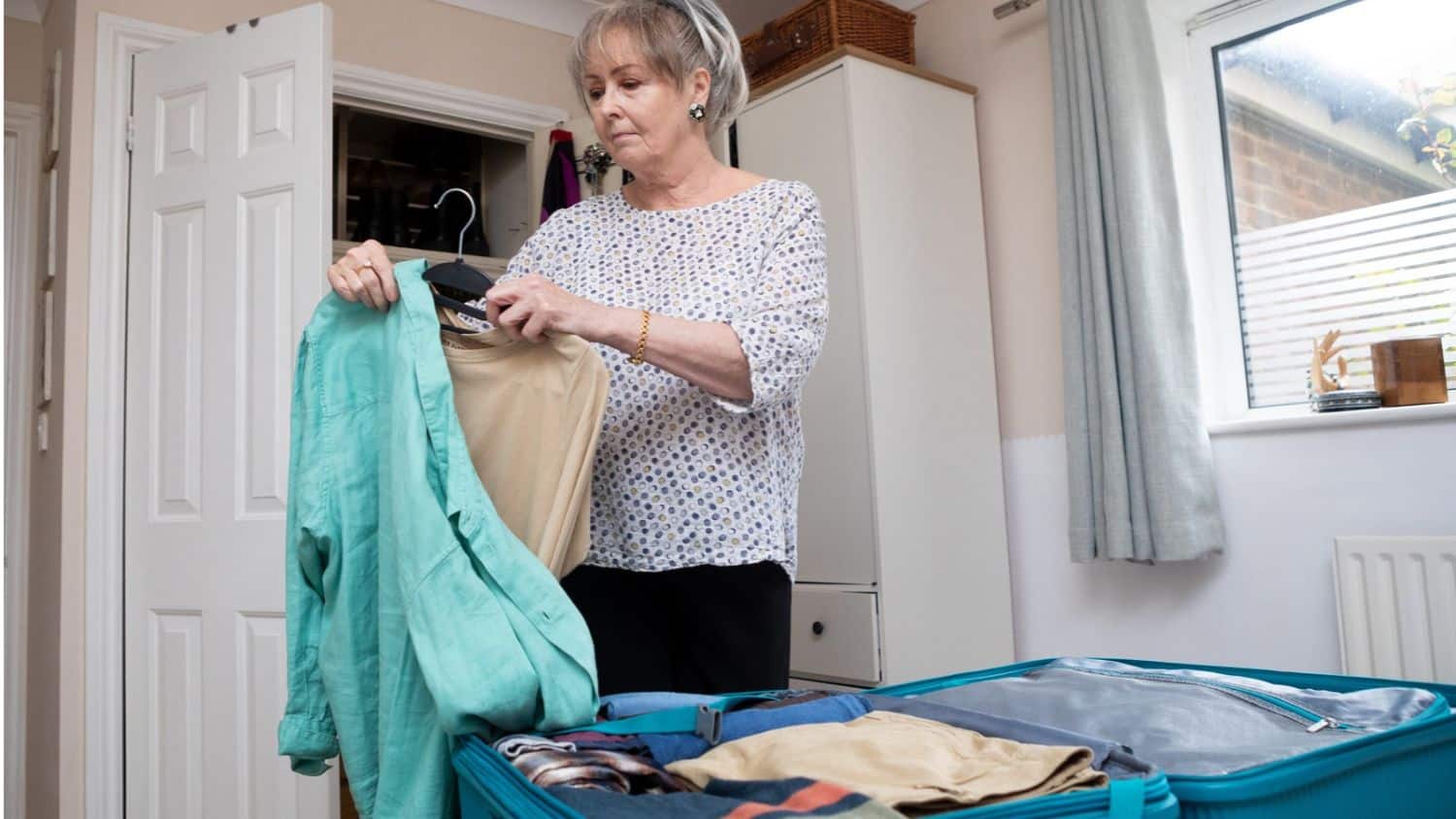
Pack for a Week, Even if You’re Staying for a Month
Packing for a month doesn’t mean bringing a month’s worth of clothing. If your rental has laundry facilities, you can travel comfortably with about what you’d pack for 7-10 days.
Read more: Slow Travel for Women Over 60: Staying in One Place for a Month.
What Deserves Space in Your Suitcase?
Bring enough prescription medications for your stay, along with any personal care products that might be difficult to find abroad. Most everyday toiletries can be purchased locally, so there’s little reason to fill your suitcase with large bottles of shampoo and lotions.
Remember that even if you’re staying somewhere for several weeks, you’ll still need to transport your luggage through airports, train stations, and possibly up apartment staircases. The less you bring, the easier that becomes.
Staying Social While Traveling Alone
For women considering solo extended travel, loneliness can be a concern. A few days alone in Paris might feel wonderful, but spending six weeks somewhere without knowing anyone can feel different.
Join Activities that Interest You
Joining activities is one of the easiest ways to meet people. Cooking classes, language courses, walking groups, and art workshops provide opportunities to socialize while doing something you enjoy. Look for local community groups or events through Facebook and Meetup.
Stay Connected with Friends and Family
Stay connected with friends and family at home, too. WhatsApp, FaceTime, and other messaging apps make it easy to keep in touch.
Before leaving, check your mobile phone plan. An international roaming package, local SIM card, or eSIM can help you avoid unexpected high phone bills.
Read more: eSIM vs Physical SIM for Travel: What Older Travelers Need to Know Before They Go
Technology that Makes Extended Travel Easier
You don’t need to be particularly tech-savvy to manage a longer trip, but practical tools can make life much simpler.
A Reliable Phone Connection
As I mentioned above, before leaving, check whether your mobile plan includes international service and what it costs. In some countries, purchasing a local SIM card or using an eSIM may be more economical than international roaming.
Check that your phone supports eSIM technology and is unlocked before purchasing one.
Useful Apps for Longer Stays
You don’t need dozens of apps. A few reliable ones are enough.
Google Maps is useful for walking directions, public transportation, and finding nearby services. Download offline maps for times when you don’t have internet access.
Google Translate or another translation app can make everyday interactions easier.
WhatsApp is widely used for messaging and calls in many countries.
Banking apps let you monitor spending and handle financial matters without visiting a branch. Before leaving, make sure you can access your important accounts from abroad and that your verification methods will continue working.
Read more: 20 Essential Travel Apps for Women Over 60.
Protect Your Personal Information
Avoid relying on public Wi-Fi for sensitive transactions when possible. Store digital copies of your passport, insurance documents, reservations, and emergency contacts somewhere secure. It’s also worth having a backup way to access money if your primary card is lost or blocked.
Read more: 12 Smart Travel Habits to Stay Safe and Away from Scams and Thieves
Healthcare, Travel Insurance, and Visas
A longer trip requires a little more preparation than a conventional vacation. Think of purchasing travel medical insurance. Make sure your policy covers the entire length of your stay, your destination, and any relevant pre-existing medical conditions.
Read more: Travel Insurance 101: What Women Over 60 Need to Know.
If you take regular medication, arrange an adequate supply before leaving. Keep prescriptions in their original labeled containers and check whether any medications are restricted in your destination country.
Don’t forget to check visa requirements. Some countries allow tourists to stay for several months without a visa, while others have stricter limits. For example, eligible visitors to the European Schengen Area are generally limited to 90 days within any rolling 180-day period.
Entry rules depend on your nationality and may change, so always verify current requirements before making reservations.
What About Your Home and Pets?
It’s difficult to relax abroad if you’re constantly worrying about what’s happening at home. Before leaving, arrange for someone to collect your mail, check your property, and handle any necessary maintenance.
If you have pets, decide whether to arrange care at home or bring them along. For a one-month trip, a trusted pet sitter may be less stressful than navigating international pet travel requirements.
A Simple Timeline for Planning Your First Month Abroad
You don’t need to spend months organizing every detail, but a little advanced planning can make the experience easier.
Three to Six Months Before Departure
Choose your destination, research accommodation costs, establish a budget, and check entry requirements. Start thinking about arrangements for your home and pets.
Six to Eight Weeks Before Departure
Confirm accommodations and transportation. Research travel medical insurance, review prescriptions, and look into local activities that interest you.
Two Weeks Before Departure
Organize travel documents, download useful apps and offline maps, finalize arrangements at home, and begin packing.
During Your First Week Abroad
Take your time settling in. Explore your neighborhood, find the nearest grocery store and pharmacy, learn how to use local transportation, and resist the urge to fill every day with sightseeing.
What You Might Discover About Yourself
One of the most interesting things about sabbatical travel is how it changes your relationship with a destination. When you visit somewhere for a few days, you’re usually following an itinerary. When you stay for a month or more, you begin making everyday choices about how you want to spend your time.
You might discover that you enjoy your own company more than expected, become comfortable learning another language, or develop an interest in local cooking or art. You may even return home with a different perspective on how you want to spend your retirement.
Of course, not every travel sabbatical needs to be a life-changing experience. Sometimes, the pleasure is simply waking up somewhere different and having nowhere in particular you need to be.
You don’t have to be especially adventurous or experienced to try long-term travel after 60. You can choose a familiar destination, rent a comfortable apartment, and stay for as long as feels right.
Perhaps you’ll discover that a month abroad suits you beautifully. Or maybe you’ll realize that two-week vacations are still your favorite way of travel. Either way, you’ll have satisfied your curiosity. And who knows? That little apartment you rent for a month might become somewhere you return to year after year.
Read more: Travel Friendships After Retirement: How Women Over 60 Are Finding Companions for Adventures Abroad.
Let’s Have a Conversation:
Have you ever spent a month or more living in another country? Did you love the experience, or were you ready to return home? If you’ve never tried extended travel, where would you like to spend a month? Share your thoughts and experiences in the comments below.


