


What We Can Do About Aging After 60
Most of us think of aging as something that simply happens with the passing of time. Another birthday arrives, another candle goes on the cake, and we are one year older.
But there’s an important distinction: our chronological age and our biological age are not necessarily the same thing. Chronological age is the number of years we have lived. Biological age is a measure of how well our bodies are functioning.
That is encouraging, because while we cannot change the year we were born, some of the factors that influence biological aging may be within our control.
What Factors Speed Up Aging?
Genetics play an important role. But lifestyle and environment matter too. David Sinclair, a professor of genetics at Harvard Medical School, estimates that genes may account for up to half of the rate at which we age. That leaves a substantial portion potentially influenced by how we live.
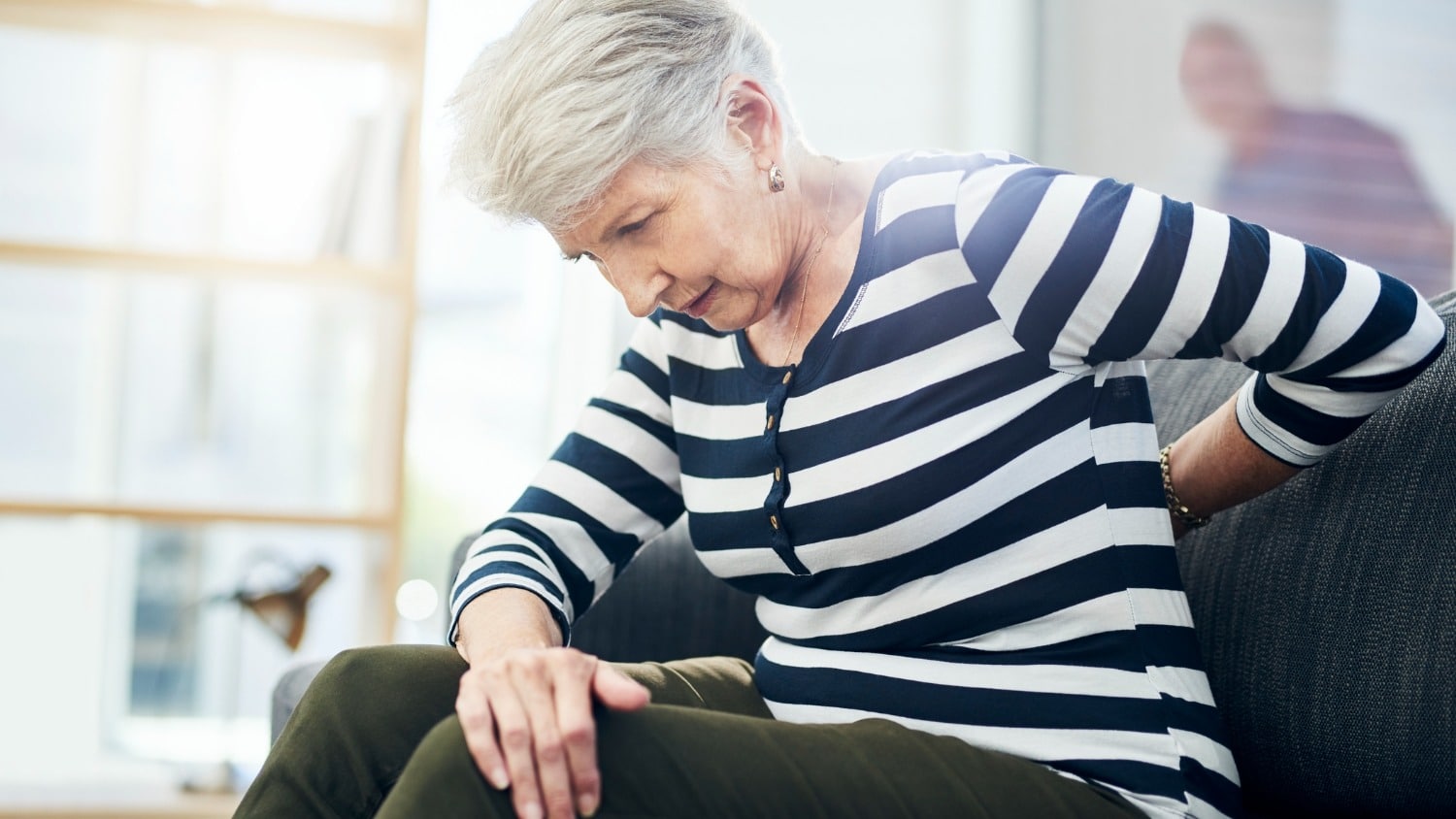
Some of the better-known factors that may speed aging will not surprise anyone: smoking, too much sun exposure, chronic stress, poor sleep, inactivity and excess weight. These can contribute to cellular damage, inflammation, muscle loss and other changes associated with aging.
That’s Not the Whole Picture
But several less obvious factors caught my attention.
One is our attitude toward aging itself. A Harvard study of 726 middle-aged women that found greater anxiety about growing older was associated with faster “epigenetic aging” – changes in the way genes are switched on and off that can make the body appear older at the cellular level.
That does not mean that an occasional worry about getting older will add years to us overnight. But it is a useful reminder that constantly fearing aging may do us no favors.
Loneliness and social isolation are another concern. Human beings are social creatures. Regular contact with friends, family, neighbors and community can provide much more than companionship. Social connection is increasingly recognized as an important part of maintaining physical and emotional health as we grow older.
The Harvard article also points to the possible effects of air pollution, frequent alcohol use, disrupted sleep schedules, and even an unhealthy balance of bacteria in the gut. Highly processed foods may encourage inflammation and disturb the microbiome, while a healthier diet can support it.
So What Can We Do?
The answer is refreshingly ordinary.
Move Your Body Regularly
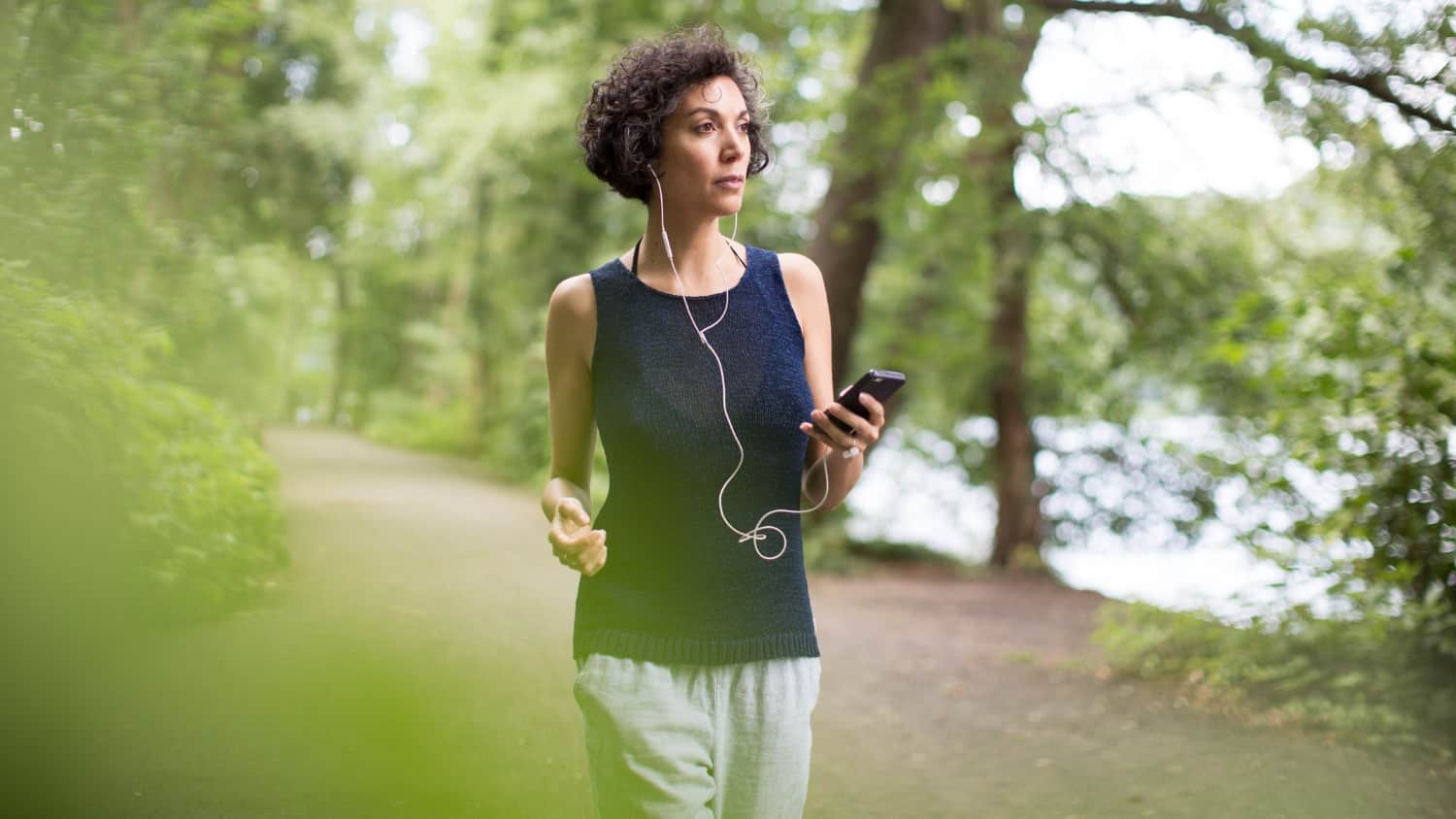
We do not have to become athletes. Walking, strength exercises, stretching, gardening, swimming or any activity we can safely maintain helps preserve muscle and keeps us from becoming too sedentary.
Protect Your Sleep
Our brains and bodies use sleep as repair time. A consistent schedule and good sleep habits matter more than many of us realize.
Eat More Foods That Still Look Like Food
Vegetables, fruits, beans, whole grains, nuts and other minimally processed foods can form the foundation of a plant-forward diet without requiring us to become vegetarians.
Stay Connected
Make the phone call. Have lunch with a friend. Join a group. Speak to the neighbor. Maintaining relationships may be one of the most pleasant health habits available to us.
Live on Purpose
And perhaps most important, keep a reason to get up in the morning. Harvard includes a positive outlook and a sense of purpose among the habits associated with healthier aging.
Every Day Matters
This may be the best news of all. We do not have to control everything. We cannot choose our genes, eliminate every stressful event, or stop the calendar.
But we can influence how we spend today.
Healthy aging is rarely the result of one dramatic decision. More often, it is the accumulation of small choices repeated over time: taking the walk, choosing a better meal, going to bed at a reasonable hour, calling someone we love, and continuing to be interested in life.
Perhaps instead of asking, “How old am I?” we should occasionally ask a better question:
“What am I doing today to help myself age well?”
Let’s Have a Conversation:
How do you spend your days to promote healthy aging? Are there specific habits you are currently building?
Tags Healthy Aging

“The article made me think deeply. Every single line made me want to note it down. It asks how we have prepared ourselves for old age. This article stops aging and energizes us. Now I am 64. After reading this, I have prepared myself for the next phase of action. The author’s writing is like a booster shot (tonic) for people like me- Shan andres India
Love this article! I just turned 64 and the last 10 years have aged me. And most of it was my own doing…overthinking, eating, stress, fearfulness, inactivity, etc.
I recently lost to my aunt (88) and I watched her decline rapidly once she fell because of a similar lifestyle as I have/HAD. Her death was my WAKE UP CALL!
I still work full time but was exhausted after work so I sat. And I always put others’ needs first. Not anymore!
I foster failed my latest foster dog so now have a reason to MOVE! 2 30 minute walks a day, bending and stretching for training, I’m happier so joy has replaced the fearfulness, I’m eating better as I feel happier, I’m outside in nature more, meeting people, sleeping so much better! Who knew an 11lb dog could change my life! ❤️ I kept putting off getting another dog (after my girl died 5 years ago), because it would affect my life and what I would be available to do for others. But then I said I have to put ME first! Thank you for this article! Hopefully my next 20-25 possibly 30 years will be soooooo much better! 🙏🏻🤞🏻🙏🏻🤞🏻
Hopefully you and your dog will be happy together…putting off having another pet because one died doesn’t make much sense to me…so many loving older rescue pets needing homes just like your old dog, who would approve- all the best!