


Makeup Lessons We Learned in the 1980s That No Longer Work
Remember the 1980s? That decade was definitely not quiet. Hair was big. Earrings were bigger. Shoulder pads had their own ZIP code. Makeup followed right along…bright, bold, and loud.
For many of us, that was the era when we learned how to apply makeup. I was a teenager in the 80s and very interested in fashion and trends. As you know, this was pre-internet, so I absorbed makeup trends from magazines, department store counters, and music videos. Some of those lessons were fun. Some were creative. Some should probably stay in the same drawer as the leg warmers and neon green tights.
7 Makeup Lessons that no Longer Work
Makeup has changed, and so have our faces and our lifestyles. The goal now is not to erase every sign of age or to recreate the face we had at twenty-five… it is to look fresh, polished, and still like ourselves.
Here are a few 1980s makeup lessons many of us were taught.
Lesson 1: More Powder Means More Polished
In the 1980s, powder was often the finishing step that made makeup feel “done”. Matte skin was the goal, and shine was treated like a personal failure.
The problem is that too much powder at our age can settle into lines, making our skin look dry. As our skin becomes drier with age, heavy powder can make texture more noticeable.
What works better now: Use powder only where needed. That’s usually around the nose, chin, and center of the forehead. A light hand is key. Cream and satin-finish products often look softer on our skin because they move with our face rather than sit on top of it.
Read more: 9 Best Foundation Makeup for Women Over 50.
Lesson 2: Match Your Foundation Exactly to Your Face
Many of us were taught to test foundation on the back of our hands or to choose a shade that matched our faces perfectly. That often led to a foundation that was too pale, too pink, or too heavy.
As we age, uneven skin tone, redness, sunspots, and shadows can make matching foundation more complicated. A full coverage mask very rarely looks natural in daylight.
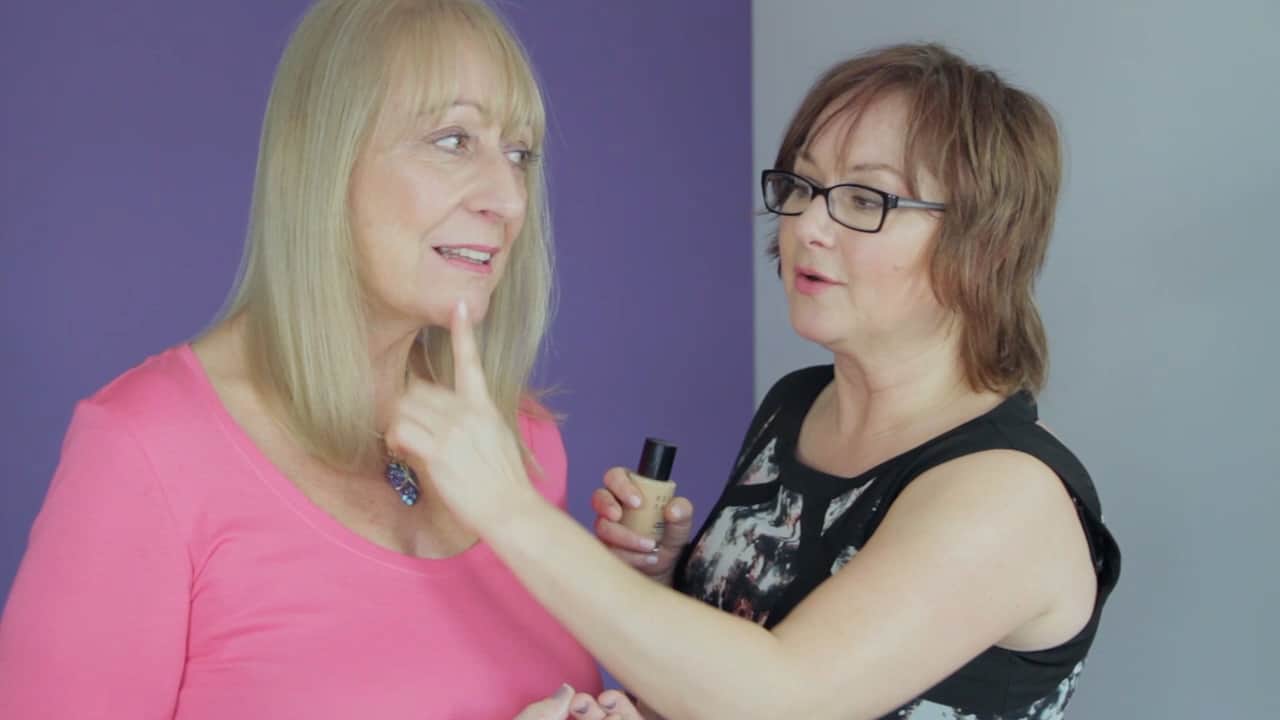
What works better now: Try to match the foundation to your jawline and neck. Choose a formula that evens your skin rather than covers everything. A sheer or medium coverage foundation, BB cream, CC cream, or tinted moisturizer can look more modern than a heavy foundation.
Read more: Must-Know Tips to Find Your Perfect Foundation.
Lesson 3: Blush Belongs on the Apples of Your Cheeks
Remember the classic smile-and-apply-blush trick? That worked for many years, but as our faces change, blush placed too low or too close to the nose can pull the face downward.
In the 1980s, blush was often strong, striped, and very visible. We were definitely not afraid of color. Sometimes the blush entered the room before we did.
What works better now: Place blush slightly higher on your cheekbones and blend upward toward the temples. Cream blush can give a softer effect than powder blush.
Read more: Make Me Blush! How to Use Cream Blush After 50 to Get a Stunning Look.
Lesson 4: Dark Eyeliner all Around Your Eyes
Black liner around the entire eye was a major 1980s look. But heavy liner on the lower lash line can make eyes look smaller and more tired. That’s not a look we should aim for in our 50s and 60s.
What works better now: Why not try a softer liner in brown, charcoal, navy, or deep olive? Keep most of the definition along the upper lash line. Smudging the liner slightly can look more flattering than a hard, sharp line. A little definition of the outer lower lash line is often enough.
Read more: How to Find the Blush and Lipstick Colors That Will Make You Look Radiant in Your 60s.
Lesson 5: Blue Eyeshadow is a Whole Personality
Blue eyeshadow had a moment. Actually, it had several moments. Pale blue, electric blue, frosted blue… we wore it boldly, sometimes all the way up to the brow bone.
Color is not really the problem. Placement and texture are usually the issues. A frosty shadow across the entire lid can highlight crepey texture, and bright color used too heavily can feel dated.
What works best now: Use color as an accent. A soft blue-gray shadow, a teal liner, or a touch of color near the lash line can look fresh and modern.
Lesson 6: Super Thin Eyebrows
Many of us over-plucked our eyebrows in the ’80s. Thin brows were common for years, but very skinny brows can make your face look older and more severe. Brows frame the eyes, and losing too much shape can change the whole expression.
What works better now: Aim for soft structure, not perfection. Fill sparse areas lightly with a pencil, powder, or brow gel. Tiny, hair-like strokes look more natural, and a tinted brow gel can make brows look fuller with minimal effort.
Read more: The Easiest Way to Create Perfect Brows.
Lesson 7: Makeup Should Hide Your Age
This may be the biggest lesson to unlearn. For years, beauty advice told women to cover, correct, disguise, lift, tighten, and fight their faces into forever youthfulness.
Frankly, that’s exhausting.
What works better now: Makeup can certainly be fun. It can brighten your eyes, add color to your cheeks, define your brows, and help you feel pulled together. It does not have to pretend you have never laughed, cried, raised children, changed careers, moved countries, survived heartbreak, or lived a full life.
The 1980s gave us a lot, for sure – great music, questionable workout outfits, and the courage to wear color without asking permission. We do not have to reject everything from that decade. We can keep the fun and lose the harsh edges. Makeup after 50 or 60 doesn’t need to be boring or “age-appropriate”. It just needs to work with your face now.
Read more: Makeup Application Techniques for a Flawless Look Every Time.
Let’s Have a Conversation:
Did you learn to apply makeup in the 1980s? Which beauty habit from that era has been the hardest to let go of? Have you changed the way you wear makeup as you’ve gotten older? What is one makeup “lesson” you no longer follow? Tell us about it in the comments below.


Great article! When I think back on those high maintenance makeup routines of the 80’s I view my new pared down routine as so freeing!!
I found myself slowly letting go of old beauty habits as I got older. The first to go was the kohl eyeliner, in favor of a gray or brown pencil softenend with eyeshadow smudged into it. Now I don’t even bother with liner and only use mascara on my upper lashes.
Next was elaborate eyeshadow with lid color, crease color, and highlighted brows. Now it’s just a swipe of ShaiShaiShai Banana Conceal Eye Cream on undereye circles and lids.
My foundation was replaced with CC cream, and now just ISDIN Eryfotona Ageless Tinted Mineral Face Sunscreen SPF 50. I never was much of a powder girl.
I skipped blush for many years but now find a bit of cream blush applied higher on the cheekbones, a dab on my chin and a dab on my center hairline warms my complexion just enough! I definitely found less makeup looks better as I age.