How to Choose the Right Face Mask After 60 (Clay, Sheet, or Cream?)
As skin changes with age, the face masks that once worked well may no longer feel quite right. After 60, skin is often drier, thinner, and more sensitive, so the best mask is usually the one that supports moisture and comfort rather than stripping the skin. Clay, sheet, and cream masks can all have a place, but each does a different job.
What Are Face Masks
Face masks are skin care treatments designed to give your skin extra care and a short-term boost. They can help hydrate, cleanse, or refresh the skin, depending on the formula. Some are creamy and nurturing, while others are made to absorb oil or deliver a quick boost of moisture. The best face mask is the one that suits your skin’s needs, especially as skin becomes drier and more delicate with age.
Read more: Aging Skin Needs This – Dermatologists’ Favorite At-Home Treatments.
Are Clay Masks a Good Choice for Mature Skin?
Clay masks can still be useful after 60, but they are usually best for targeted use rather than all-over, frequent masking. Clay helps absorb excess oil and can make pores look cleaner and tighter, which may be helpful if you still deal with congestion around the nose or chin. The downside is that many clay masks can leave mature skin feeling tight, dry, or dull if they are used too often or left on too long.
For most mature skin, clay masks are best used occasionally and mainly on oilier areas of the face. If your skin already feels dry, fragile, or easily irritated, a traditional clay mask may be too harsh unless it is blended with soothing or hydrating ingredients.

When Sheet Masks Are the Best Option?
Sheet masks are often a nice pick when skin looks tired, dehydrated, or a little flat. They are soaked in serum, so they can give the skin a quick boost of moisture and leave it looking fresher and plumper for a short-term glow. This makes them especially nice before an event or after travel, when skin tends to feel depleted.
The main thing to remember is that sheet masks are more of a temporary hydration step than a deep treatment. They can make the skin feel lovely, but the results usually do not last unless you follow up with a good moisturizer. Fragrance-heavy formulas can also irritate sensitive skin, so it helps to choose simple, hydrating versions.
This is one of my favorite sheet masks. It’s super hydrating and very affordable.

Garnier SkinActive Super Hydrating Sheet Mask
Are Cream Masks Better for Skin After 60?
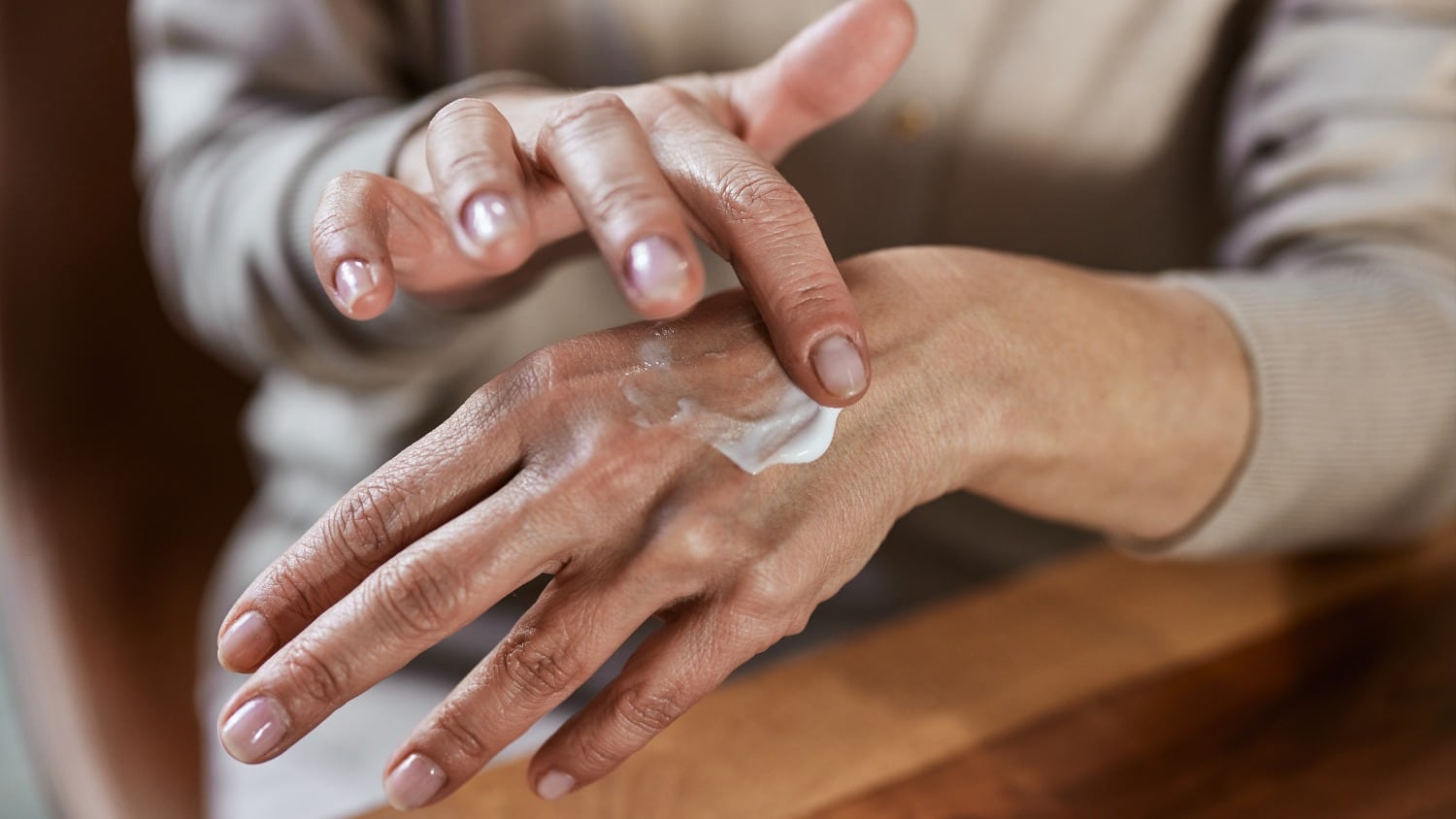
For many women over 60, cream masks are often the most reliable choice. They tend to be richer, gentler, and more nourishing than clay masks, which makes them a good fit for dry or mature skin. A cream mask can help soften roughness, ease tightness, and support a more comfortable, well-moisturized complexion.
These masks are especially useful if your skin feels dry after cleansing, looks dull, or has become more reactive over time. Many can even be used like an intensive treatment at night, depending on the formula. If your skin is mature and dry, a cream mask is usually the safest place to start.

Which Face Mask is Best for Dry, Mature Skin?
If your skin is dry, cream masks are usually the best choice, with hydrating sheet masks as a close second. Both can help restore softness and reduce the papery or tight look that can occur as skin loses moisture with age. In this case, clay masks are usually the least helpful unless you only apply them to a small, congested area.
What if Your Skin Is Sensitive?
Sensitive mature skin tends to do best with simple cream masks or fragrance-free sheet masks. Look for words like soothing, hydrating, calming, or barrier-supporting rather than purifying or deep cleansing. Masks that promise dramatic results can sometimes upset delicate skin.
How Often Should You Use a Face Mask After 60?
In most cases, once or twice a week is plenty. Hydrating cream or sheet mask can sometimes be used a bit more often if your skin is very dry, while clay masks are usually better kept to occasional use. More is not always better, especially with mature skin. The goal is to help the skin feel comfortable and look fresh, not to overwork it.
So, Which Face Mask Should You Choose?
If your skin is mostly dry or sensitive, go with a cream mask. If your skin looks tired and needs a quick moisture boost, a sheet mask can be a nice extra. If you still have oily or congested areas, a clay mask can help, but it is usually best to use it sparingly.
A simple way to think about it is this: cream masks nourish, sheet masks refresh, and clay masks clarify. After 60, nourishing and hydrating are often what skin needs most.
Read more: Reclaiming Youthful Skin: Strengthening Your Skin Barrier to Combat Trans-Epidermal Water Loss.
Let’s Have a Conversation:
Do you use face masks? What is your skin type? Do you prefer clay, sheet, or cream face masks? Will you try a face mask from our article? Tell us about it in the comments below.
Tags Mature Skin Care