


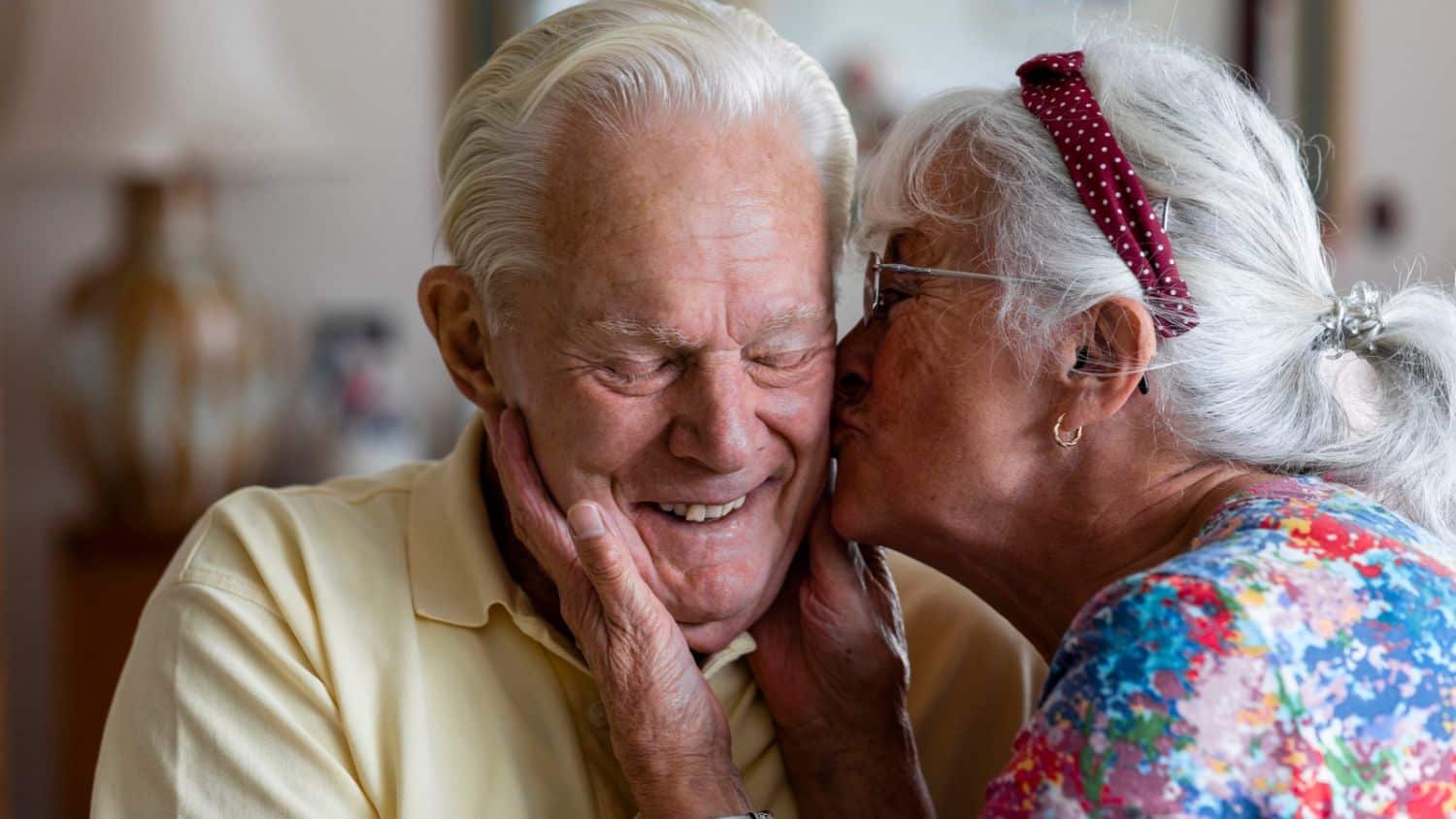
How Intimacy and Sexuality Can Support Healthy Aging After 60
When we think about healthy aging, we often focus on exercise, nutritious food, and sleep. Our need for affection and pleasure deserves attention, too. For many women, sexuality remains a meaningful part of life well beyond 60.
Yet this subject can become difficult to discuss. Changes in our bodies, the loss of a partner, or years of caregiving may leave us wondering where intimacy fits now.
There is room to explore that question at your own pace, with curiosity and respect for your needs.
Define Intimacy for Yourself
Intimacy can mean holding hands, kissing, sharing a private conversation, or enjoying affectionate touch. Sexual expression may include intercourse, self-pleasure, or other experiences you find comfortable and satisfying.
The National Institute on Aging encourages older adults to recognize that sexuality and intimacy can take different forms. There is no single pattern you must follow.
If you have a partner, consider talking about what you enjoy today. A simple statement such as, “I would like more time just being close to you,” can open a useful conversation. Listen to each other and make space for preferences that may have changed.
Let Comfort Guide You
After menopause, lower estrogen levels can lead to vaginal dryness and changes in tissue elasticity. These symptoms can make sexual activity uncomfortable. They deserve attention rather than silent endurance.
The Menopause Society explains that lubricants reduce friction during sexual activity, while vaginal moisturizers are used regularly to help with ongoing dryness. A water-based or silicone-based lubricant may be useful. Choose products that do not irritate your skin.
Persistent pain, bleeding, or troublesome dryness should prompt a conversation with your healthcare professional. Depending on your history, treatments such as low-dose vaginal estrogen may be appropriate. Self-stimulation alone should not be relied on to treat menopause-related tissue changes.
Give yourself time for arousal, try positions that protect sore joints, and stop if something hurts. With a new partner, discuss condoms and testing for sexually transmitted infections. Menopause does not remove that risk.
Include Pleasure Without a Partner
Being single does not close the door on sexual expression. Masturbation can be a comfortable, private way to discover what feels good as your body changes. The American College of Obstetricians and Gynecologists includes masturbation among the options for exploring sexual pleasure.
You can use gentle touch and lubrication if needed. If you choose a vibrator, follow its cleaning instructions and use a setting that feels comfortable. Penetration is optional; pleasure does not require it.
Imagination can also be part of your experience. You do not need to judge yourself for enjoying private fantasies. Equally, you do not need to pursue sexual activity if it does not interest you. Your preferences deserve respect.
Understand the Connection with Healthy Aging
Research offers reasons to take sexuality seriously as part of well-being. A 2019 study of older adults in England found that sexual activity and emotional closeness during sexual activity were associated with greater enjoyment of life.
However, an association does not establish that sexual activity causes better health or adds years to life. Healthier people may find it easier to remain sexually active, and relationship quality matters. We should be cautious about promises that sex or masturbation prevents cognitive decline, strengthens immunity, or guarantees longevity.
A satisfying intimate life can still have value in its own right. Feeling connected, enjoying pleasure, and being able to discuss your needs are worthwhile parts of daily living.
Take One Comfortable Step
If you would like more intimacy, start with something manageable. Arrange uninterrupted time with your partner, ask your clinician about discomfort, or spend a little time exploring what feels pleasant to you.
If desire has changed in a way that troubles you, ask whether medication, illness, stress, or relationship concerns could be contributing. Continue caring for your health through movement, adequate sleep, and supportive relationships.
Healthy aging leaves room for affection and sexuality without making either an obligation. The aim is a life that feels comfortable and fulfilling to you.
Over to You:
Has your understanding of intimacy changed after 60? What helps you feel comfortable discussing your needs? Share only what you feel comfortable sharing.
Tags Sex After 60


