


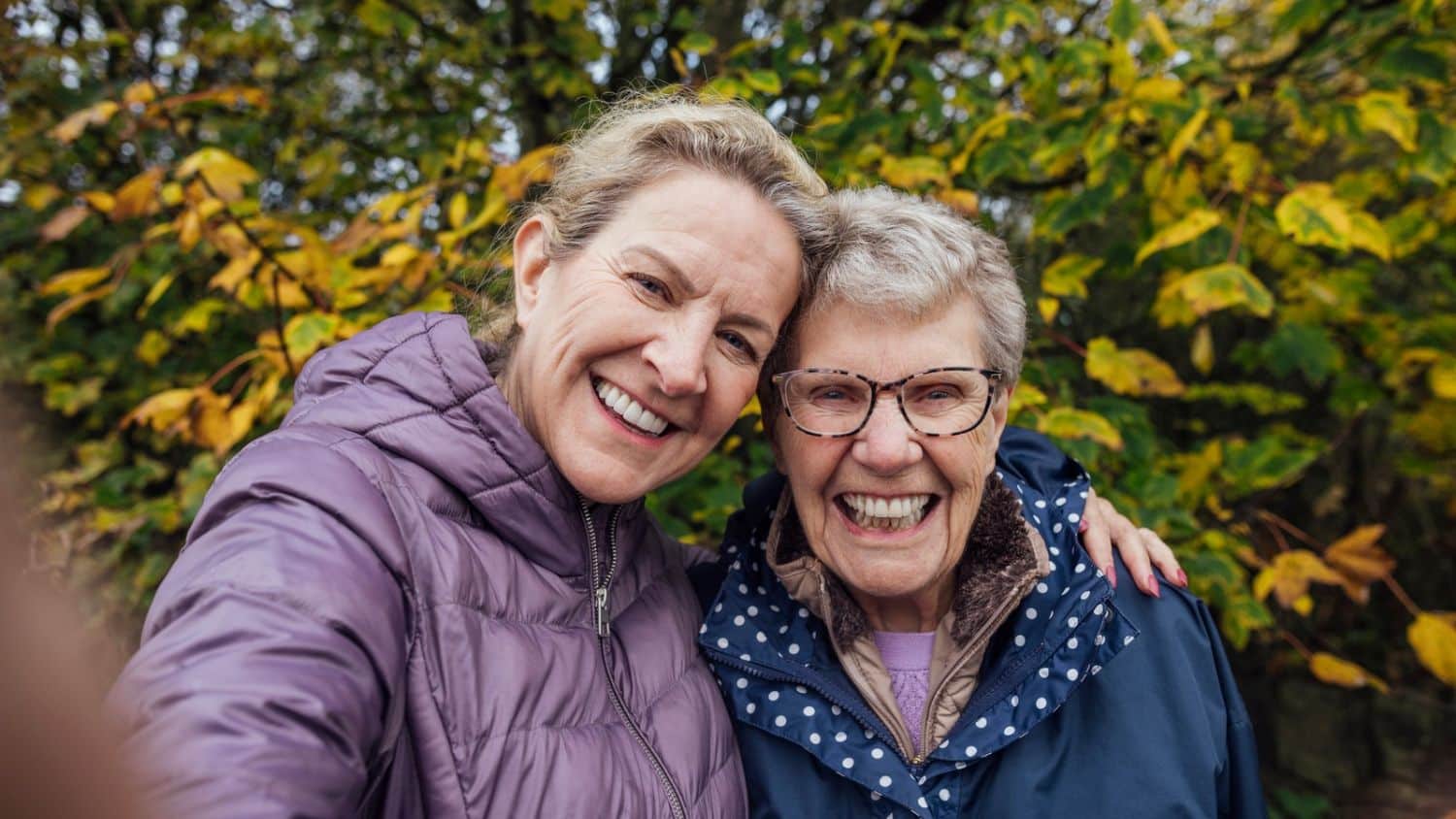
The Mother Wound After 60: How to Find Healing, Forgiveness, and Peace
As we approach our 60s and beyond, it is not unusual to begin to reflect on our lives with a different perspective. After decades spent raising children, supporting partners, caring for aging parents, building a career, serving our communities, and meeting countless other responsibilities, many of us finally find ourselves with enough space to reflect on the relationships that shaped us.
Among those relationships, none is often more influential or more emotionally complex than the one we shared with our mothers.
For some, reflecting on our relationship with our mother brings gratitude, admiration, and affection. Others may find they tend to revisit old hurts that never fully healed. And many of us often experience both at the same time! A childhood can contain love and disappointment, devotion and misunderstanding, comfort and longing. Human relationships are rarely simple, especially the relationship between a mother and daughter.
The concept often referred to as “the mother wound” attempts to describe the emotional pain that can result when a daughter’s needs for acceptance, encouragement, validation, or emotional connection were not fully met. But it is important to note: the purpose of exploring this idea is not to assign blame or place mothers on trial.
At this stage of life, it is much healthier, and many of us are far more interested in, focusing on understanding rather than condemnation. What matters now is not who was right or wrong decades ago. What matters is finding greater freedom, self-compassion, and peace in the years ahead.
Why the Mother Wound Often Becomes More Visible Later in Life
Many women are surprised when childhood experiences become more emotionally significant after age 60. They often wonder why issues that seemed dormant for years suddenly resurface. The answer may have less to do with the past itself and more to do with the fact that we finally have the time and emotional bandwidth to examine it.
During our past adult years, the demands of daily life often left us little room for reflection. We were busy raising children, paying bills, handling day-to-day crises, and/or building a career and having an active presence in our communities. It is fair to say that most of us went through many phases where we were overwhelmed by responsibilities that required our immediate attention. Survival and achievement often took precedence over self-examination during those earlier decades of life. As a result, emotional wounds may have remained tucked away beneath the surface, silently influencing our choices without fully revealing themselves.
Later life often changes that dynamic. Retirement may create time for reflection. Adult children become more independent. Grandchildren arrive. Parents age or pass away. Major life transitions naturally encourage us to consider where we have been and how those experiences have influenced who we became. Questions that once seemed unimportant begin to carry greater weight, and old memories often return with surprising clarity.
It can be helpful and healthy to see it as an opportunity. Emotional awareness is not evidence that something is wrong. In many cases, it is a sign that something is ready to heal, after all these years.
Understanding the Mother Wound Through the Wisdom of Experience
One of the unique gifts of aging is that we gain perspectives that were not available to us earlier in life. When we were young, we typically experienced our mothers in the role of daughter. But by the time we reach our 60s and beyond, many of us have occupied other roles in the family story that have (hopefully) broadened our self-awareness, understanding and compassion.
As daughters, we remember the moments that hurt. We remember the criticism that lingered longer than praise, the emotional needs that felt overlooked, or the times we longed to be seen more clearly. Certain disappointments may still carry emotional weight decades later, particularly if they touched our sense of worth or belonging.
At the same time, many of us have also spent years in the role of mother. Parenthood has a way of revealing just how difficult it is to meet every emotional need, make every decision correctly, and navigate every challenge without mistakes. Experiences that once seemed straightforward often become more nuanced when viewed through the lens of our own parenting journeys.
Grandmotherhood introduces yet another layer of understanding. Watching younger generations grow, and watching our own daughters become mothers, too, can deepen our awareness of the emotional patterns that are passed from one generation to the next. We may find ourselves thinking less about what we wish had happened in the past and more about what we hope to create for the future.
This broader perspective doesn’t erase pain. What it often does, however, is create room for compassion to coexist with honesty.
Seeing Our Mothers as Whole Human Beings
One of the most profound shifts in healing often occurs when we begin to see our mothers not only as mothers but as women. The distinction may seem subtle, yet it can dramatically change how we understand the relationship.
Many of our mothers grew up during times when emotional expression was discouraged. Vulnerability was often viewed as weakness. Mental health conversations were uncommon, and countless women were expected to prioritize family obligations above their own well-being. They were navigating cultural expectations, financial pressures, relationship challenges, and personal struggles that their children may never have fully understood.
Some mothers carried wounds from their own childhoods. Others lived through hardships that left little emotional energy available for nurturing. Certain women were never taught how to identify emotions, regulate them, or respond compassionately to the feelings of others. They simply passed forward what they had learned.
Recognizing these realities does not excuse harmful behavior. Understanding and excusing are two very different things. Nevertheless, many women discover that resentment begins to loosen its grip when they start viewing their mothers within the larger context of their lives.
Compassion often grows when we realize that many mothers were doing the best they could with the emotional tools they had available. That realization may not change what happened, but it can significantly change how we carry those memories.
The Relationship You Have with Yourself Matters Most
Although conversations about the mother wound often focus on childhood experiences, true healing rarely remains centered on the mother herself. Over time, the attention gradually shifts toward the relationship we have with ourselves.
Many women discover that the deepest injury was not the original wound but the beliefs they formed about themselves because of it. A daughter who felt unseen may spend decades believing her needs are unimportant. Someone who experienced frequent criticism may develop an inner voice that continues the criticism long after childhood ends. Another woman may become so accustomed to pleasing others that she struggles to recognize her own wants and needs.
These patterns are rarely signs of weakness. More often, they represent creative adaptations developed by a younger self who was doing her best to navigate difficult circumstances. What once served a protective purpose, however, may no longer be serving us well.
Healing often begins when we replace self-judgment with curiosity. Rather than asking, “What’s wrong with me?” we begin asking, “What experiences shaped me?” That subtle shift creates space for understanding, and understanding frequently opens the door to compassion.
Self-compassion is not about ignoring mistakes or pretending life has been easy. Instead, it involves offering ourselves the same degree of understanding we would readily extend to a close friend, beloved daughter, or cherished granddaughter. Most women find that this is much harder than it sounds, yet it remains one of the most powerful forms of emotional healing available to us.
The Hidden Grief Beneath the Mother Wound
Many women eventually realize that what they are carrying is not only hurt but grief. Beneath the frustration, anger, or disappointment often lies sadness for something that never fully existed.
Some grieve for the mother they wished they had. Others mourn the emotional closeness they longed to experience but never received. Certain women carry sorrow for conversations that never happened, misunderstandings that were never resolved, or needs that remained unmet despite years of hoping things would change.
This type of grief is often invisible because there is no funeral, no public acknowledgment, and rarely a clear ending. Yet it is real, nonetheless. Allowing ourselves to recognize that grief can be surprisingly liberating.
Acceptance does not require us to approve of the past. Neither does it require us to stop wishing things had been different. What acceptance offers is the opportunity to stop fighting reality and begin investing our emotional energy in the life we still have ahead of us.
Many women discover that peace emerges not when they finally receive what they needed from their mother, but when they stop waiting for that need to be fulfilled by her or someone else.
Finding Forgiveness Without Pressure
Forgiveness is one of the most misunderstood aspects of emotional healing. Popular culture often portrays it as the inevitable destination of every healing journey, which can leave people feeling inadequate if forgiveness does not come easily.
The reality is far more nuanced. Some women find tremendous relief through forgiveness. Others find peace through acceptance, understanding, or healthy boundaries. No single path is right for everyone.
Authentic forgiveness cannot be forced. It tends to emerge naturally when a person feels ready, and sometimes it never becomes the central focus of healing at all. What matters more is whether we can release ourselves from carrying the emotional weight of past injuries every day.
For many women over 60, the goal is no longer to determine who was right and who was wrong. The goal is to enjoy the years ahead without allowing old wounds to dominate precious emotional space. Whether that process includes forgiveness, acceptance, or a combination of both is deeply personal.
Extending Compassion to Ourselves as Mothers
One reason this topic resonates so strongly with older women is that many of us are not only daughters. We are mothers as well. Reflecting on our own childhood experiences often leads us to examine our parenting with equal intensity.
Few of us reach later life without regrets. Many of us can no doubt recall moments when we wish we had been more patient, present, emotionally available, observant, or simply less overwhelmed. Looking back with the benefit of hindsight can be both illuminating and painful. But it’s what we must do, honestly, to ultimately heal.
Because the same compassion we are learning to extend toward our mothers must eventually be extended toward ourselves. Just as our mothers were imperfect human beings navigating challenges they were not fully prepared for, we had and continue to have our own limitations, wounds, and mistakes.
Healthy families are not perfect. Relationships endure because people remain willing to learn, grow, apologize, repair, and keep loving each other despite their flaws and differences. Recognizing this truth, and recommitting to a dynamic grounded in kindness can free us from the impossible burden of believing we should have done or will do everything better or perfectly.
Creating a Different Legacy
One of the most hopeful aspects of mother wound healing is that it rarely stops with us. Every act of self-awareness has the potential to influence the people around us. When we develop greater compassion for ourselves, we often become more compassionate toward others as well.
Perhaps we listen more carefully to our adult children and especially other women we care for. Maybe we become less reactive during difficult conversations. Sometimes we grow more comfortable expressing affection, offering encouragement, or acknowledging mistakes. Small changes in emotional awareness can alter the tone of entire family systems over time.
A Peaceful New Chapter
Healing the mother wound is not about changing the past. No amount of insight can erase what happened or recreate what was missing. The past remains the past, and every family story contains moments of joy, disappointment, resilience, and regret.
What can change is our relationship with those experiences. Perspective allows us to see ourselves more clearly. Compassion helps us soften harsh judgments. Acceptance creates space for peace where ongoing struggle once existed.
Perhaps that is one of the greatest gifts of growing older. Wisdom teaches us that life is rarely about assigning blame or finding fault. More often, it is about understanding ourselves and others with greater kindness. The woman you are today is more than the hurts you experienced, more than the mistakes you made, and more than the disappointments you carry.
As daughters, mothers, grandmothers, and women who have lived rich and complex lives, we have an opportunity to write a new chapter. It is a chapter shaped not by what was missing, but by what we choose to cultivate now: self-compassion, understanding, forgiveness where possible, boundaries where necessary, and a deep sense of peace with the remarkable journey that brought us here.
Let’s Start a Conversation:
Looking back now, is there something you understand about your mother that you couldn’t see when you were younger? Do you believe healing requires forgiveness, or have you found peace through acceptance, boundaries, or another path? What messages about yourself did you inherit from your relationship with your mother, and which ones have you chosen to keep or let go?
Tags Adult Children


