


Women Over 60 Are Not a Niche Audience – They Are a Missing Voice
There is a strange cultural contradiction that happens to women as we age.
By 60, many of us have accumulated decades of experience: careers, marriages, divorces, caregiving, loss, reinvention, financial decisions, friendships, mistakes, resilience, and more than a few hard-won lessons. We know things we did not know at 30, and we know them not because we read about them, but because we lived them.
And yet, just as our experience becomes deepest, our voices often become less visible.
We are frequently spoken about as a demographic: women over 60. A market segment. A niche audience. A group to be targeted with products for joint pain, retirement planning, or wrinkle cream.
But women over 60 are not a niche.
We are an enormous reservoir of lived expertise, and much of it is going unused.
Experience Is a Form of Expertise
We tend to reserve the word “expert” for people with credentials, titles, or advanced degrees. Those things matter, of course. But there is another kind of expertise that is rarely acknowledged: knowing what something actually feels like from the inside.
A woman who has cared for an aging parent understands parts of elder care that no policy document can capture.
A woman who has rebuilt her life after divorce understands something about starting over.
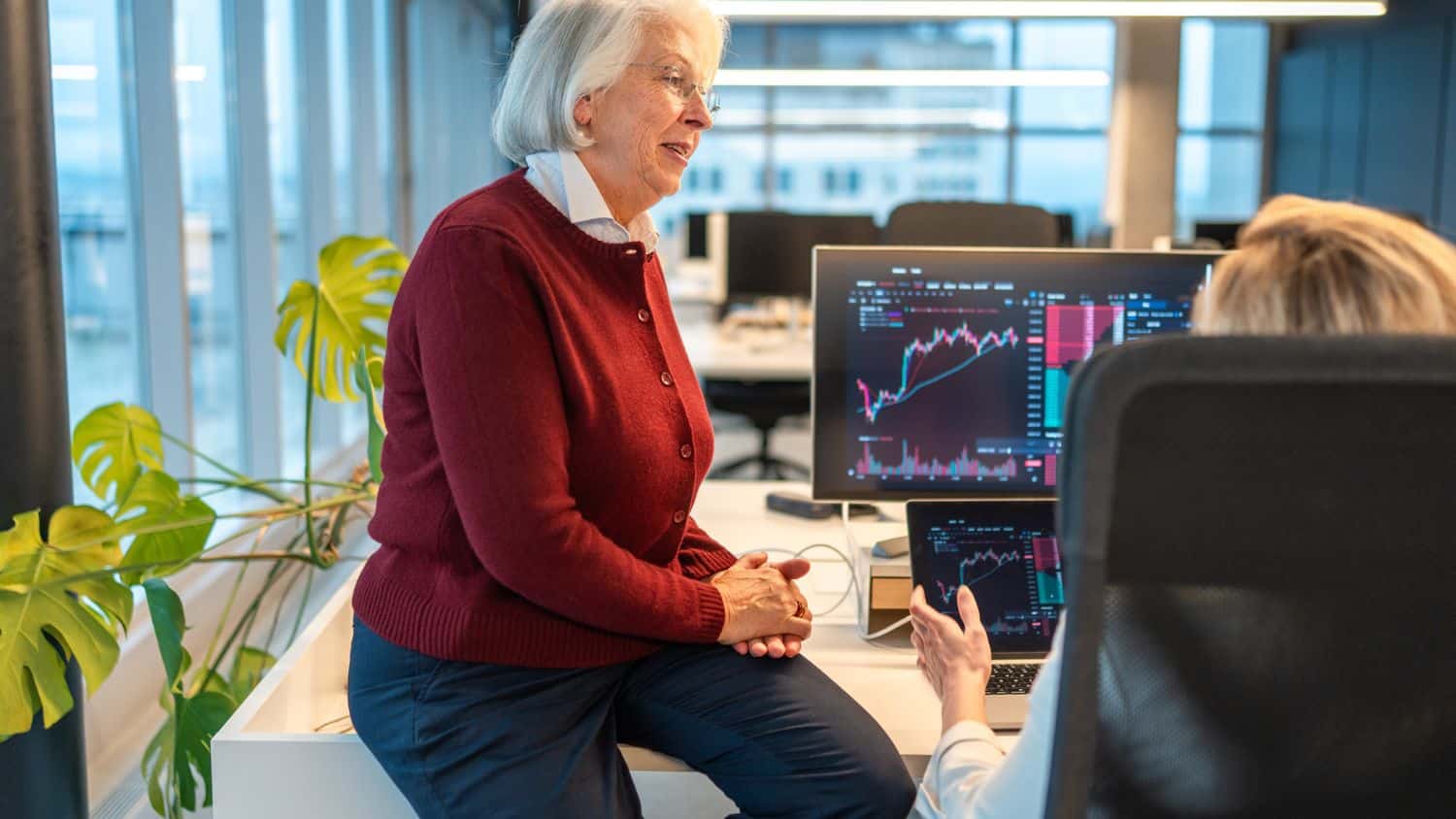
A woman who spent 30 years managing people knows what makes a workplace humane, and what destroys morale.
A woman who raised children, changed careers, survived financial setbacks, cared for a sick partner, built a business, lost someone she loved, or simply navigated six decades of being female in a rapidly changing world possesses knowledge that matters. That knowledge does not become obsolete because we reach a certain birthday. In many ways, it becomes more valuable.
We Don’t Have to Become Influencers
When people talk about “finding your voice” today, it can sound as though everyone needs to start a podcast, build a personal brand, or attract thousands of followers. Thankfully, meaningful contribution doesn’t require any of that. Your experience can become useful in remarkably ordinary ways.
You can mentor a younger woman entering your profession. Serve on a nonprofit board. Advocate for something you understand firsthand. Volunteer in local government. Teach. Write. Organize. Coach. Speak up at a community meeting. Support a candidate. Help another woman negotiate a difficult transition. You can become the person in the room who says, “I’ve seen this before.” That sentence can be extraordinarily valuable.
One advantage of age is that many of us have become less impressed by appearances and more interested in what actually works. We’ve watched brilliant ideas fail because nobody considered human behavior. We’ve seen organizations repeat mistakes. We’ve witnessed fashions in parenting, business, relationships, health, and culture arrive with great fanfare and then disappear. We have context. And context is something a culture obsessed with novelty desperately needs.
Stop Waiting to Be Asked
There is another obstacle, though, and this one belongs partly to us. Women have often been conditioned to wait for permission. We wait to be invited onto the committee, asked for our opinion, offered the leadership role, encouraged to write the book, or assured that our experience is relevant. At this stage of life, perhaps the more useful question is: What if nobody asks? Does that make what you know less valuable? Of course not.
One of the freedoms of getting older is realizing that permission is frequently imaginary. Someone does not need to officially appoint you before you contribute. If you care deeply about something and understand it well, you can begin.
Your Story Is Not the Point
There is an important distinction between telling our stories and using them. Personal experience becomes most powerful when we ask, “What can someone else learn from this?” The point isn’t simply, “This happened to me.” The more interesting question is, “Because this happened to me, what do I now understand that might help someone else?” That is the bridge from experience to contribution.
Maybe your difficult divorce taught you something about financial independence. Maybe caregiving exposed gaps in elder care. Maybe decades in corporate life taught you how women are pushed out of leadership. Maybe starting over at 60 taught you that loneliness and freedom can coexist for a while.
Your experience does not have to remain biography. It can become advocacy.
We Need Women Who Remember
Every generation benefits from new voices. But it also needs people who remember what came before.
Women over 60 have lived through enormous shifts in women’s rights, work, marriage, motherhood, sexuality, technology, medicine, and expectations about what a woman’s life should look like. We remember when certain choices were not available. We remember when certain conversations could not be had openly. And many of us have enough distance now to see which battles genuinely changed women’s lives and which problems merely changed their clothing.
That perspective deserves a place in public conversations, workplaces, families, communities, and institutions. The goal is not to insist that age makes us wiser about everything. It doesn’t. The goal is simply to stop pretending that decades of lived experience make us less relevant.
At 62 and beyond, we are not standing outside the culture looking in. We are part of its institutional memory. And perhaps this stage of life isn’t about becoming louder for the sake of being heard. Perhaps it’s about becoming more intentional about where our voices can matter. That is the heart of what I explore in The Sovereign Self: how women can use the wisdom they’ve earned to live – and contribute – with greater intention.
Questions for Reflection
What have you learned through experience that you now understand differently than you did twenty years ago? Where in your community, profession, or family could that knowledge be useful to someone else? If you stopped waiting to be invited, where would you most want to contribute your voice?
Tags Empowerment

Love, love, love this article! Thank you! It is as if you knew what I was thinking.
Wow, thank you, Bev! I’m touched by your kind words. It’s always so wonderful to connect with like-minded women who truly understand where I’m coming from. ♥️
This article is spot on and insightful for women in their 60’s. It provided me with a whole new perspective on the experiences I have to offer to younger women.
Hi Rhonda! I’m so glad it resonated with you. I’m sure you have much to offer younger women 😊 Thanks for reading and thanks for your comments!