


The Detachment Wall: How to Let Go of Your Adult Children
Some of us moms have a problem with our attachment to our children, to the point where the bond can become unhealthy.
Can we love our children but not let their choices or behavior make us crazy? Is some detachment actually a good idea?
Is Detachment a Wall?
The idea of detaching from a person can seem terrifying. But is there a way to practice healthy detachment?
Another way of thinking about it is this – when we live detached, we are not placing a wall between us and others. Instead, we are examining our own expectations and dependencies.
With those in perspective, we are freer to love another person because the focus is shifted to them and is not solely on us.
With our adult children, though we love them unconditionally, we try to satisfy unmet needs in us:
- Our need to be needed.
- Our desire to nurture someone.
- Our desire to see that our work and love produces an effect – a child who loves us back.
What we often do is keep a picture in our minds of our child and how they will fulfill these needs and desires for us. What happens when that child rejects us? In my case, and for many other moms, we completely freak out!
What Went Wrong
When we are ‘good mothers,’ we begin to define ourselves by our mothering. While this can be positive and can encourage us to fulfill our role responsibly, by totally adopting that definition we can forget all the other aspects of ‘me.’
When we are our role, when that role is challenging, or when that role is over, what is left of ‘us’?
In dealing with estranged children, we still tend to look within ourselves. We ask ourselves what we did wrong. We obsess over every interaction and question whether we could have responded differently.
Read HOW TO DIVORCE YOUR ADULT CHILDREN AND RESTORE YOUR SANITY.
Also read HOW TO DEAL WITH HAVING AN ESTRANGED ADULT CHILD.
This Monday-morning quarterbacking neglects some basic facts about humans:
You Can’t Control Other People
We surely have influence over our children, but we do not mold them like clay. When they don’t turn out the way we planned, we neglect this fundamental truth.
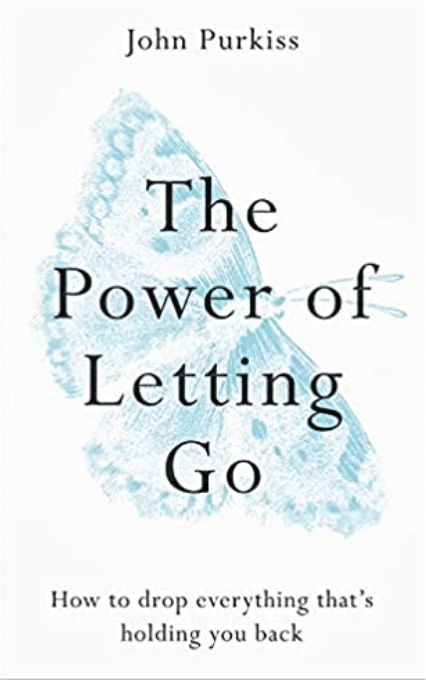
The Power of Letting Go: How to drop everything that’s holding you back on Amazon
You Can’t Rely on Your Children for Your Happiness
We may have looked ahead to our golden years and seen ourselves surrounded by loving grandchildren. This neglects another fundamental truth: People change. If we rely on other people for our happiness, we may be disappointed.
My source of joy and happiness is an inside job, not dependent on the actions of others.
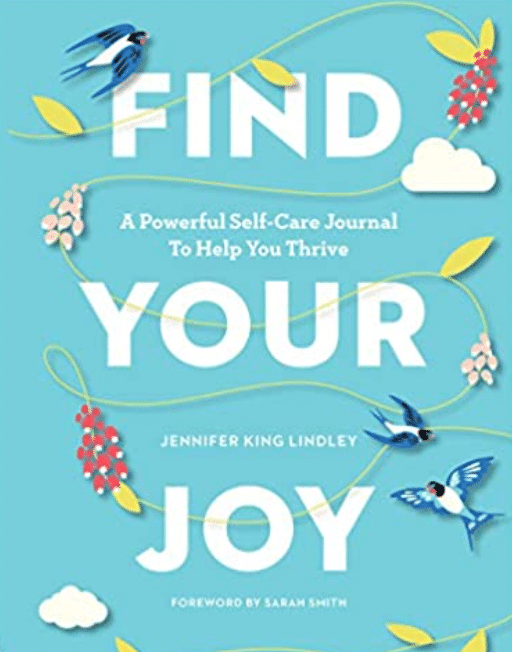
Find Your Joy: A Powerful Self-Care Journal to Help You Thrive on Amazon
Your Emptiness Is Yours to Fill Up
Your adult children don’t exist solely to fill the void of your unmet needs. Do you need the love and admiration of children and grandchildren to be happy? Perhaps meeting your own needs by loving yourself sufficiently will bring more peace and satisfaction.
Complete People Can Love Completely
I remember well the first time my young daughter gushed about a new boyfriend, saying, “He completes me!” We had many long talks deep into the night discussing how love can be real and true only when two people who are complete within themselves come together.
True love rejects the notion that the other exists solely to please you. True love is therefore not threatened when the other displeases you, because the love is not dependent on the other fulfilling your needs.
Having the other person conform to our desires so we will love them is manipulation, not love. Focusing on “what’s in it for me” is a death knell for true love.
Yet, as mothers, we sometimes forget that in our relating to our adult children. When we can view them with some detachment, when our reactions to them are no longer based on expectations or being dependent on them, we are then able to love them fully and freely.
Do not look at your adult child as completing you, giving you a fulfilled life, or meeting your needs. When you set those aside, you begin to understand love.
What to Do Now?
If you are a hurting mama, laid low in the dust by the estrangement of an adult child, what should you do now?
- Examine your feelings and thoughts. What does it feel like when attachment hurts? What thoughts are you thinking at the time? Can you begin to think differently?
- Be with others and love them, but don’t look to them as your source of happiness.
- Learn to be alone, not lonely. Loving ourselves enough that we can be our best companions is healthy.
- Quit blaming yourself for the state of the relationship. You didn’t and couldn’t control the outcome. Why beat yourself up?
Read WHEN PEOPLE ASK ABOUT MY ESTRANGED CHILDREN… WHAT CAN I SAY?
Here are a few more ideas to help you heal and let go.
- Journal – Writing or sketching your feelings and thoughts puts you in the moment and helps to get you out of your thoughts. Buy yourself a pretty journal and write in it whenever you feel overwhelmed, sad, or lonely.

- Find other mothers in the same boat – Join Facebook groups and share your stories with other women who are going through the same thing. Lift each other up and remember not to fall into the trap of wallowing and continuous negativity.
- Seek counseling or therapy – Look into talk therapy or cognitive behavioral therapy. Online websites like Better Help and Talk Space offer versatile and affordable access to therapists and counselors.
- Read empowering books such as:
Self-Love Workbook for Women: Release Self-Doubt, Build Self-Compassion, and Embrace Who You Are by Megan Logan on Amazon.

When Things Fall Apart: Heart Advice for Difficult Times by Pema Chödron on Amazon

Keep Moving by Maggie Smith on Amazon

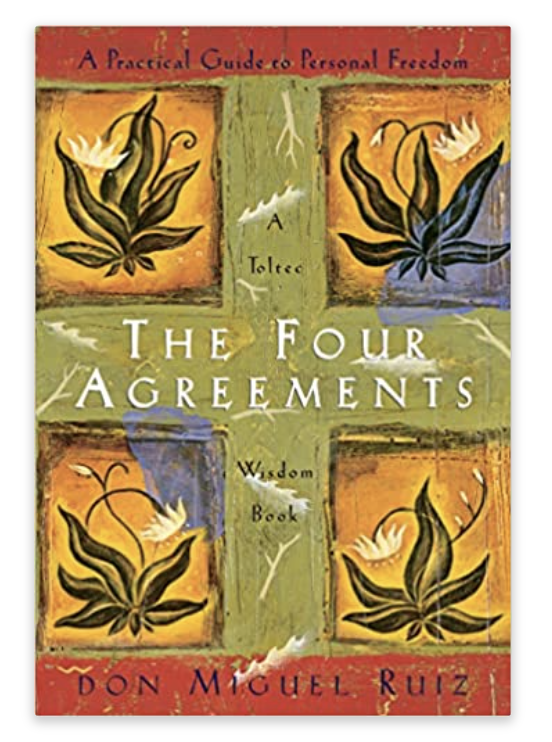
The Four Agreements by Don Miguel Ruiz on Amazon
Mind Over Mood by Dennis Greenberger and Christine A. Padesky on Amazon.

When we are not attached to any outcome in our relationships, then we can be free and happy. When the state of our internal life is more important than our external circumstances – there lies peace.
The Role of Self-Identity Beyond Motherhood
Transitioning from an identity centered around motherhood to a broader, more self-focused role can feel overwhelming. However, it also offers an opportunity for self-discovery, growth, and renewal.
Rediscovering Hobbies and Passions
Many women set aside personal interests while raising children, often prioritizing their family’s needs over their own. Reclaiming these hobbies—or discovering new ones—can reignite joy and fulfillment.
- Revisit Old Interests: Think about activities you loved before becoming a mother. Whether it’s painting, reading, crafting, or playing an instrument, these pursuits can bring a sense of familiarity and comfort.
- Explore New Passions: Now is the time to try something you’ve always been curious about. Sign up for a cooking class, start a garden, or get into photography.
- Volunteer for a Cause: Consider dedicating your time to a cause you care about. Volunteering not only gives back to the community but also provides a sense of purpose and accomplishment.
Read Is Volunteering for You After 60? These 10 Benefits May Be the Boost You Need.
Building Friendships and Community
Cultivating a strong network of friends and engaging with the community can foster a sense of belonging.
- Reconnect with Old Friends: Reach out to friends you’ve lost touch with over the years. A simple coffee date or phone call can rekindle meaningful relationships.
- Join Clubs or Groups: Look for book clubs, walking groups, art classes, or other community activities. Websites like Meetup.com or local community centers can be great resources for finding like-minded individuals.
- Participate in Social Events: Attend workshops, community events, or cultural gatherings to meet new people and expand your social circle.
Setting Personal Goals
With newfound time and freedom, setting personal goals can provide direction and a sense of achievement. Whether they’re small daily challenges or ambitious long-term dreams, goals can give life renewed purpose.
- Learn a New Skill: Enroll in a class to learn something new—whether it’s a language, technology, or a craft. Online platforms like Coursera, Udemy, or MasterClass offer a wide range of affordable courses.
Read 8 Top-Rated Free Online Classes for Women Over 50.
- Travel to New Places: Explore the world or visit destinations you’ve always dreamed of seeing. Solo travel or joining a group tour can be an empowering experience that broadens your perspective.
Read The Ultimate Guide to Solo Travel for Women over 50 .
- Start a Passion Project: Write a book, start a blog, or create a small business based on something you’re passionate about. These endeavors can be deeply rewarding and provide an outlet for creativity.
Read Memoir Made Easy: Everyone Has a Story.
- Health and Fitness Goals: Focus on your physical well-being by adopting a new fitness routine, practicing yoga, or even training for a local 5K run or walk.
Read 9 Yoga Retreats for Women Over 50
Fostering a Deeper Connection with Yourself
This detachment from your adult children is an opportunity to reconnect with who you are at your core.
- Practice Mindfulness and Reflection: Spend time meditating or simply reflecting on what brings you happiness and fulfillment.
- Celebrate Your Accomplishments: Take time to honor what you’ve achieved—not just as a mother but as an individual. Reflect on the skills and strengths you’ve developed over the years.
- Create a Vision for the Future: Imagine how you want this next chapter of your life to look, with or without your adult children. Create a vision board or list of aspirations to keep yourself motivated and focused.
Read more: How to Create a Vision Board That Actually Inspires Change.
Helpful Phrases for When You’re Struggling to Let Go
Letting go of your adult child emotionally can feel like prying your heart away from something it was never meant to release. It’s not a one-time decision; it’s something you may have to choose daily, even moment by moment. When the feelings rise (fear, sadness, guilt), using a calming phrase can help shift your inner dialogue and bring you back to yourself.
Here are a few gentle, grounding phrases you can repeat during difficult moments:
- “I release what I cannot control.” – A reminder that your child’s choices are theirs. You don’t have to – nor can you – carry what isn’t yours.
- “I am whole, even when others pull away.” – You are not defined by your role in someone else’s life. You are complete, with or without their approval or presence.
- “Loving doesn’t mean fixing.” – Love can be steady and quiet. You can love your child without solving their problems.
- “Their journey is not my responsibility.” – Your adult child is on their own path, with their own lessons to learn. Let them walk it.
- “I deserve peace in my heart and home.” – Your well-being matters too. You are allowed to choose peace over chaos.
Repeat one (or a few) of these aloud or silently when you feel overwhelmed, anxious, or tempted to re-engage in an unhealthy dynamic. Post them on your mirror, write them in your journal, or save one to your phone as a daily reminder. These small practices can slowly build a stronger inner foundation, one that’s rooted in calm, clarity, and self-respect.
Resources for Long-Term Support
Letting go of the mothering role and redefining your relationship with your adult children can be a challenging journey. Because you are not alone and many other mothers are going through the same thing, there are numerous resources available to provide guidance, encouragement, and community support.
Podcasts for Parenting Adult Children and Self-Healing
Podcasts offer a convenient and accessible way to gain insights, hear relatable stories, and receive expert advice. Here are some highly rated podcasts to consider.
- The SelfWork Podcast by Dr. Margaret Rutherford: Focused on emotional health and self-healing, this podcast addresses topics like overcoming guilt, grief, and building self-worth.
- Dear Sugars with Cheryl Strayed and Steve Almond: This advice podcast touches on issues of estrangement, family dynamics, and emotional resilience.
- Unlocking Us by Brené Brown: With a focus on vulnerability, courage, and relationships, this podcast can help listeners gain a deeper understanding of themselves and their loved ones.
YouTube Channels Focused on Family Relationships and Self-Care
Visual learners can benefit from the wealth of knowledge shared on YouTube. These channels provide tips and encouragement for improving family dynamics and focusing on personal growth.
- Sally Harris- Moms of Estranged Adult Kids Expert: Provides compassionate guidance, practical advice, and empowering strategies to help mothers navigate the challenges of estrangement and rebuild their sense of self.
- Meditative Mind: Provides guided meditations and calming music to help with stress management and emotional healing.
- The Holistic Psychologist by Dr. Nicole LePera: Shares insights on self-healing, personal boundaries, and creating healthier relationships.
What If They Come Back? How to Reconnect Without Repeating the Past
Sometimes, after months or even years of distance, an adult child reaches out. Maybe it’s a holiday, a milestone, or a simple change of heart. That moment can feel like a miracle, and also stir up a flood of emotions: hope, anxiety, joy, and fear.
If your child wants to reconnect, it’s natural to want to dive in. But doing so without some reflection can lead right back into old patterns that caused pain in the first place. A second chance at a relationship doesn’t mean going back; it means starting from where you are now, with everything you’ve learned.
Here are some ways to navigate a reconnection with care:
- Take it slow – It’s okay to rebuild the relationship gradually. You don’t need to have deep talks right away or pick up exactly where things left off. Begin with simple, neutral conversations and focus on re-establishing trust.
- Stay grounded in your growth – You’ve done the emotional work of letting go. Keep your boundaries in place. If you’ve learned not to fix, rescue, or overstep, stay with that. Don’t let guilt or fear undo the healing you’ve already done.
- Let them lead – Allow your adult child to set the tone for how they want to reconnect. Avoid pushing for explanations or emotional closure. They may not be ready for that, or they may never be. Letting them express themselves at their own pace is an act of respect.
- Keep your expectations in check – Hope for something better, but don’t expect a complete transformation. People grow at different speeds. They may still be the same in some ways. What matters is how you choose to respond.
- Be honest, not heavy – If there’s room for open conversation, speak calmly about what you want moving forward. This isn’t the time for guilt trips or scorekeeping. You can say, “I want a relationship with you that’s based on mutual respect,” and leave it at that.
- Protect your peace – Reconnecting doesn’t mean tolerating mistreatment or returning to a place of emotional exhaustion. It’s okay to step back again if the relationship becomes harmful or draining.
A renewed relationship can be a gift, but only if it supports the emotional well-being of both people involved. You don’t have to lose yourself to make space for them again. Let it be different this time. Let it be healthy, mutual, and free from the weight of old expectations.
Read PARENTING ADULT CHILDREN CAN BE AGONY.
Also, MY ADULT CHILDREN CUT ME OUT OF THEIR LIFE.
Let’s Have a Conversation:
Do you still find it hard to let go of your adult children? Or, do you still worry about them and take care of them more than you think you should? Please join the conversation below.



I am crushed and so broken hearted 💔
I raised my daughter, who is now 19 alone the last 3 years. She graduated HS on May 20th 2023 and 5 days after graduation she moves in with a 43 year old man and has totally cut me off on any communication. She now is having the 43 year old man send me text messages of how I was never there for my daughter, how abused, and all the rhetoric of victimhood statements. I finally had to turn this over to the police and law group to try and end this abuse.
Hi there. I’m 53 and my 29 year old son lives with me. He has mental health issues but will not take responsibility for them. He continually says its me. He’s on social assistance and lives rent free and uses my car whenever he wants. I’m getting exhausted. What do I do?
Hi! Your articles are great! I have been reading these over and over again to sink in my soul. I even saves these on my phone. I have been struggling in dealing with my 19 year old daughter for few years now since she was 17 years old. These articles opened my eyes to my inner soul. Thanks.
I’m a hurting mom and grandma. I have 2 daughters & beautiful granddaughters I love dearly & for some reason they don’t feel that way about me. I’ve taken my grandkids on vacations, bought their first prom dresses, took them to movies & now that everyone is grown I seem to be the person they make fun of & hurt the most. I never tell them you should do this or that, when they would be upset about something I would say it will work out & you’ll see everything will be fine. I just don’t get it, even my husband is at awe about the situation. It’s more hurting to see my husband hurt.
This looks like a place i need..five grown adult kids with their issues, and me in turbulence , and desperate sadness.